
Is your refrigerator not keeping your food cold enough? Or maybe it’s freezing everything solid?
The problem could be your refrigerator thermostat. Fixing it yourself might sound tricky, but it’s easier than you think—and it can save you time and money. In this guide, you’ll learn simple steps to repair your refrigerator thermostat quickly and safely.
Keep reading, and you’ll have your fridge running smoothly again in no time!
Signs Of A Faulty Thermostat
Knowing the signs of a faulty thermostat helps you fix your refrigerator early. A broken thermostat can cause many problems. It affects how well your fridge keeps food cold. Watch for warning signs to avoid food spoilage and save money on repairs.
Temperature Fluctuations
The fridge temperature goes up and down often. Sometimes it feels too warm inside. Other times it feels too cold. This change happens without adjusting the thermostat. Food may freeze or spoil quickly. These shifts mean the thermostat might not work right.
Compressor Running Nonstop
The compressor runs all the time without stopping. Normally, it turns on and off to keep the right temperature. If it never stops, the thermostat might be stuck. This wastes energy and can damage the compressor. Constant noise or heat from the fridge signals this issue.
Ice Build-up Issues
Too much ice forms inside the freezer or fridge. Ice blocks vents and stops cold air flow. This ice build-up can cause the thermostat to fail. If you see frost or ice growing fast, check the thermostat. It may not control the temperature properly.

Tools Needed For Repair
Fixing a refrigerator thermostat requires the right tools. Having these tools ready makes the job easier and safer. Here is a list of essential tools for the repair process.
Basic Hand Tools
Start with basic hand tools like screwdrivers and pliers. A flathead and a Phillips screwdriver help remove panels and screws. Needle-nose pliers are useful for handling small parts. A wrench may be needed to loosen bolts or nuts.
Multimeter For Testing
A multimeter is important to check electrical parts. It measures voltage, resistance, and continuity. Use it to test the thermostat’s function and wiring. This tool helps find if the thermostat is faulty or working well.
Safety Equipment
Safety comes first during any repair. Wear insulated gloves to protect from electric shocks. Safety glasses protect your eyes from dust and debris. Have a flashlight ready to see inside dark parts of the fridge.
Locating The Thermostat
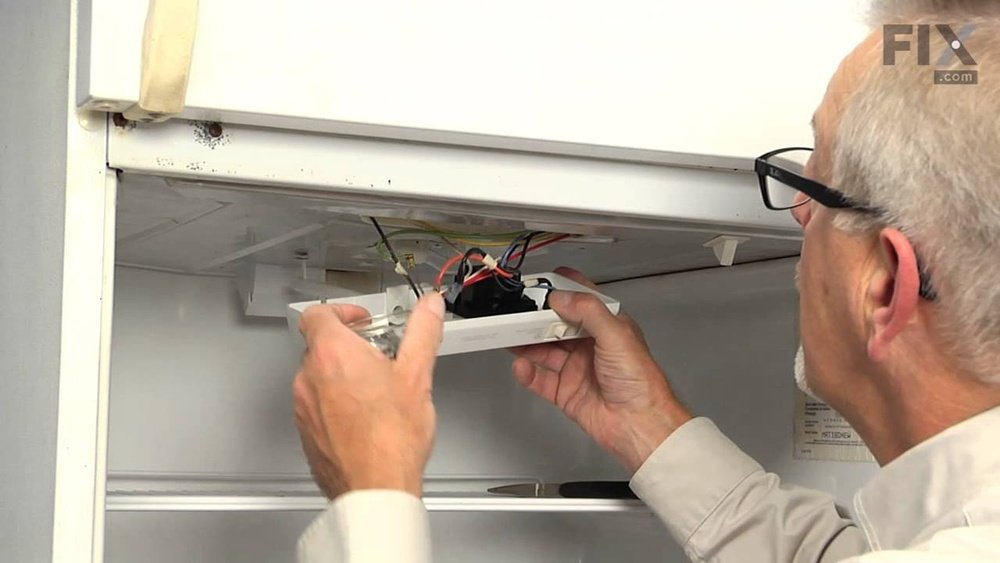
Locating the thermostat in your refrigerator is the first step in repairing it. The thermostat controls the temperature inside. Finding it helps you understand what needs fixing. Most thermostats are inside the control panel or near the cooling area.
Knowing where the thermostat sits makes the repair process easier. It saves time and avoids unnecessary damage to other parts. This section guides you through accessing the control panel and identifying the thermostat parts.
Accessing The Control Panel
The control panel usually sits at the top or back of the fridge. Open the fridge door fully. Look for a cover or panel that protects the controls.
Use a screwdriver to remove screws holding the cover. Gently pull the panel off to see inside. Be careful not to force it. The thermostat is often behind this panel.
Identifying Thermostat Components
The thermostat has a dial or knob for adjusting temperature. It connects to wires and a sensor bulb. The sensor bulb detects the fridge’s temperature.
Look for a small round or rectangular device with wires attached. It may have numbers or temperature marks. This is the thermostat you need to repair or replace.
Testing The Thermostat
Testing the thermostat is a key step in fixing a refrigerator. It helps find out if the thermostat works right. Without this test, you might replace parts that still work. Testing saves time and money. It also helps keep your fridge cold and safe for food. Follow these easy steps to test the thermostat properly.
Using A Multimeter
Start by unplugging the refrigerator for safety. Find the thermostat inside the fridge. Use a screwdriver to remove the cover. Set your multimeter to the lowest ohms setting. Connect the multimeter probes to the thermostat terminals. Turn the thermostat dial from low to high. Watch the multimeter reading change. A working thermostat shows a drop to zero or near zero ohms. This means the thermostat lets electricity pass through. If the reading stays high or infinite, the thermostat is faulty.
Interpreting Test Results
A low ohm reading means the thermostat is good. It closes the circuit to cool the fridge. A high or infinite reading means it is bad. It cannot close the circuit, so the fridge won’t cool. Sometimes, the reading may jump around. This also shows a problem with the thermostat. Replace the thermostat if readings are bad. Use the test results to decide if repair or replacement is needed. Testing helps avoid guessing and costly mistakes.
Removing The Faulty Thermostat
Removing the faulty thermostat is the first step in fixing your refrigerator. It needs careful handling to avoid damage. This part controls the fridge temperature. Taking it out safely prepares you for installing a new one. Follow these simple steps to remove it correctly.
Disconnecting Power
Start by unplugging the refrigerator from the power source. This step is vital to prevent electrical shocks. Never work on electrical parts with the fridge plugged in. Check twice to ensure the power is off. Safety first.
Detaching Wiring And Mounts
Locate the thermostat inside the fridge. It usually sits behind the control panel. Carefully remove any covers or panels blocking access. Note how wires connect to the thermostat. Gently disconnect each wire, one at a time. Use a screwdriver to remove mounting screws. Keep parts organized for easy reassembly. Avoid pulling wires forcefully to prevent damage.

Installing The New Thermostat
Installing the new thermostat is a key step in fixing your refrigerator. It ensures the fridge cools properly and runs efficiently. Follow each step carefully to avoid damage and ensure safety.
Wiring The Replacement Part
Start by connecting the wires to the new thermostat. Match each wire to the correct terminal. Use the old thermostat as a guide. Firmly attach the wires to avoid loose connections. Check that no wires are touching each other. This prevents short circuits and problems.
Securing The Thermostat
Place the new thermostat in the same position as the old one. Use screws or clips to hold it tightly. Make sure it does not move or wobble. A secure thermostat works better and lasts longer. Avoid over-tightening screws to prevent damage.
Reassembling The Control Panel
Put back the control panel carefully. Align it with the fridge frame and snap it into place. Screw the panel back securely. Check all buttons and knobs for proper function. This step completes the installation and prepares the fridge for use.
Post-repair Testing
After fixing the refrigerator thermostat, testing is crucial. It confirms the repair works well. Testing ensures the fridge keeps the right temperature. It also helps catch any issues early. Follow these steps to test your fridge properly.
Powering On And Monitoring
First, plug the refrigerator back into the power outlet. Listen for the compressor and fan starting up. Check if the fridge light turns on. Watch the thermostat dial or digital display for activity. Observe the fridge for at least 30 minutes. Look for unusual noises or signs of malfunction. This step shows if the thermostat controls power correctly.
Adjusting Temperature Settings
Next, set the thermostat to a medium temperature. Wait a few hours to see if the fridge cools properly. Check the internal temperature with a thermometer. Adjust the thermostat up or down if needed. Each change needs several hours to take effect. The right setting keeps food fresh and avoids freezing. Proper adjustment confirms the repair is successful.
Preventing Future Thermostat Issues
Preventing future thermostat problems saves time and money. A well-maintained thermostat keeps your refrigerator running smoothly. Small actions can stop big issues. Focus on simple habits that protect your appliance.
Regular Maintenance Tips
Clean the thermostat area often. Dust and dirt can affect its function. Check the temperature setting regularly to keep it accurate. Inspect thermostat wires for damage or loose connections. Test the thermostat by adjusting the temperature and observing cooling response. Replace batteries if your thermostat uses them. Keep the fridge door closed as much as possible. A steady temperature helps the thermostat work well.
Avoiding Common Mistakes
Do not set the thermostat too low. This forces the compressor to overwork. Avoid placing hot food near the thermostat sensor. It gives false temperature readings. Do not block air vents inside the fridge. Good airflow helps the thermostat sense temperature correctly. Avoid frequent temperature changes. Sudden shifts can confuse the thermostat. Do not ignore strange noises or inconsistent cooling. Early action prevents bigger problems.
Frequently Asked Questions
How Do I Know If My Refrigerator Thermostat Is Faulty?
Signs include inconsistent temperatures, fridge not cooling, or the compressor running nonstop. Test with a multimeter for continuity to confirm a faulty thermostat.
Can I Replace A Refrigerator Thermostat Myself?
Yes, with basic tools and safety precautions. Unplug the fridge, locate the thermostat, disconnect wires, remove the old part, and install the new one carefully.
What Tools Are Needed To Repair A Refrigerator Thermostat?
You need a screwdriver, multimeter, needle-nose pliers, and replacement thermostat. These tools help safely test and replace the faulty thermostat efficiently.
How Much Does It Cost To Fix A Refrigerator Thermostat?
Thermostat parts typically cost between $15 and $50. Labor charges vary, but DIY repairs save money. Always compare repair costs before deciding.
Conclusion
Repairing your refrigerator thermostat can save time and money. Start by unplugging the fridge for safety. Check the thermostat for dirt or damage. Use a screwdriver to remove and test it carefully. Replace the thermostat if it does not work properly.
Keep the fridge clean and at the right temperature. Small fixes often prevent bigger problems later. Take your time and follow each step. A working thermostat keeps food fresh and your fridge efficient. Simple care and repair help your appliance last longer.
Try these tips to maintain your fridge well.

