
Your chef knives are some of the most important tools in your kitchen. But are you storing them safely?
How you keep your knives can affect their sharpness, your safety, and even how long they last. Imagine reaching for a knife and getting cut, or finding it dull when you need it most. You don’t want that. You’ll discover simple and effective ways to store your chef knives safely.
By the end, you’ll know exactly how to protect your knives and yourself every time you cook. Keep reading—you won’t want to miss these easy tips!
:max_bytes(150000):strip_icc()/__opt__aboutcom__coeus__resources__content_migration__serious_eats__seriouseats.com__2018__07__20180720-knife-storage-vicky-wasik-1--1120b4c0025b44d58f93ced16f7901ea.jpg)
Choosing The Right Storage
Choosing the right storage for chef knives keeps them safe and sharp. Proper storage stops blades from dulling and protects users from accidents. It also helps organize the kitchen and saves space. There are several good options to consider for storing your knives.
Magnetic Strips
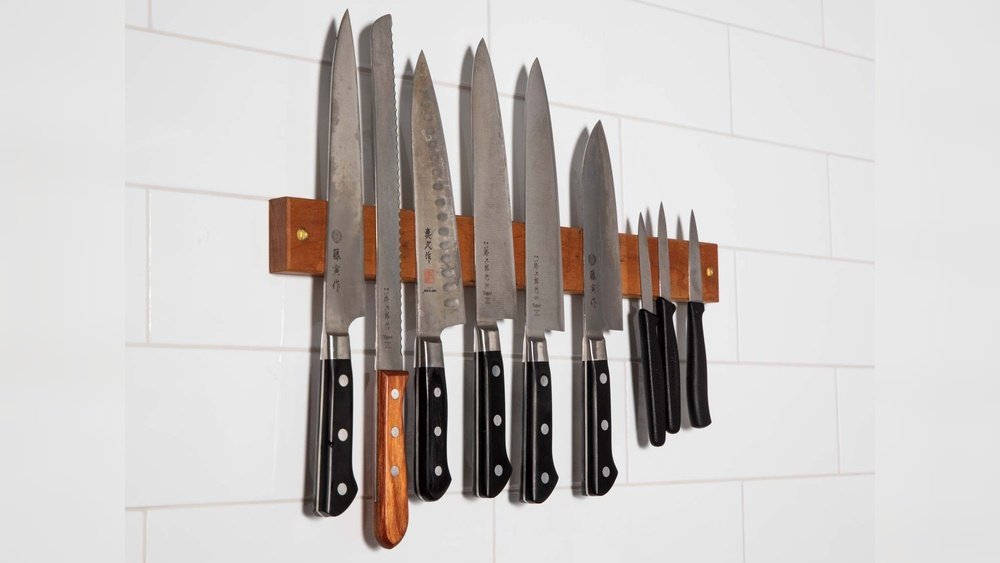
Magnetic strips hold knives on the wall using strong magnets. This keeps blades visible and easy to grab. It also saves counter space and keeps knives dry. Make sure the strip is mounted securely and the magnets are strong enough. Avoid placing knives too close to each other to prevent damage.
Knife Blocks
Knife blocks offer a classic way to store knives safely. The blades fit into slots that protect them from knocks. Choose a block with tight slots that fit your knives well. Clean the block regularly to avoid dirt and moisture build-up. Wooden blocks add style and keep knives handy on the countertop.
Drawer Inserts
Drawer inserts organize knives inside kitchen drawers. These inserts have slots or grooves for each blade. This prevents blades from touching and dulling. Inserts also keep knives hidden and out of reach of children. Make sure the insert fits your drawer size and knife collection.
Knife Sheaths
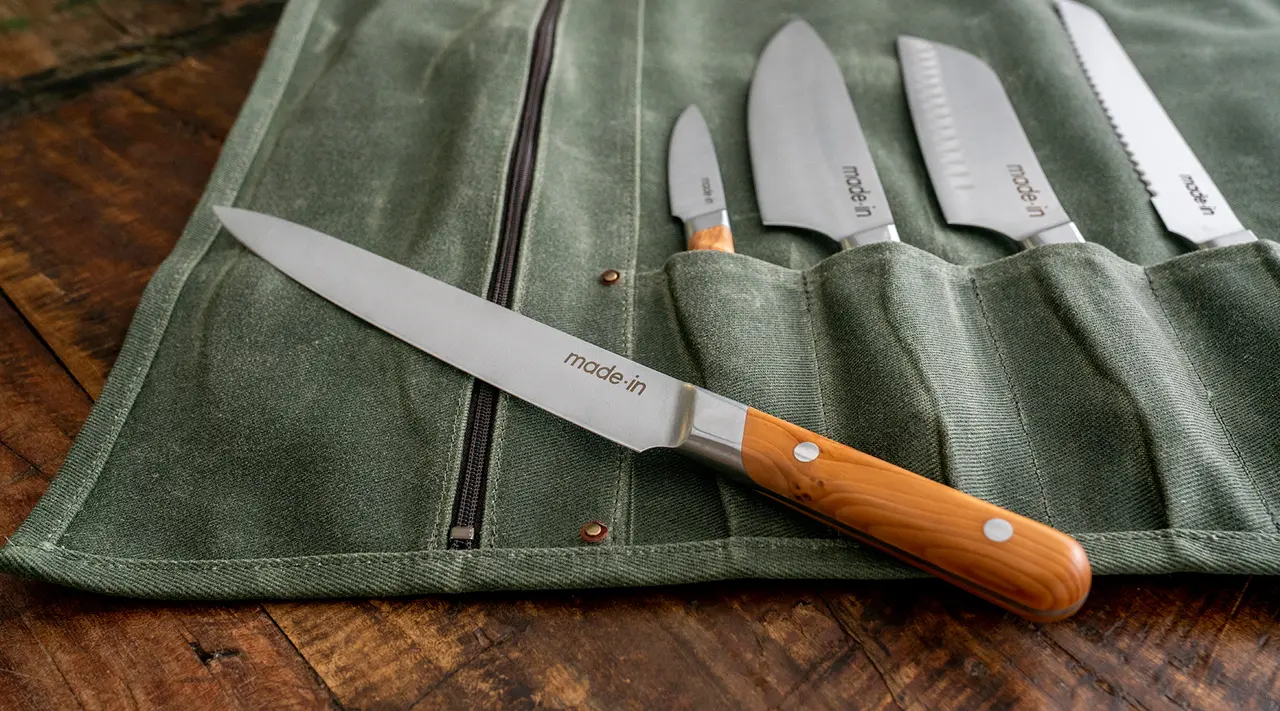
Knife sheaths cover individual blades with protective sleeves. They are great for storing knives in drawers or carrying them safely. Sheaths prevent cuts and keep blades sharp during storage or travel. Choose sheaths made from durable material that fits your knives snugly.
Preparing Knives For Storage
Preparing knives for storage protects their sharpness and extends their life. Proper care before putting knives away keeps them safe and ready for the next use. Clean, dry, and sharpen knives to maintain their quality. Handle each step carefully to avoid damage and rust.
Cleaning And Drying
Start by washing knives with warm water and mild soap. Remove all food particles and stains. Avoid soaking knives for a long time. Rinse thoroughly to remove soap residue. Dry knives immediately with a soft cloth. Make sure no moisture remains on the blade or handle. Moisture can cause rust and weaken the metal over time.
Sharpening Before Storage
Sharpen knives before storing them to keep edges strong. Use a sharpening stone or a honing rod. A sharp knife is safer and cuts better. Dull knives need more force and can slip easily. Check the blade angle and sharpen evenly. Store knives only after sharpening to preserve their performance.
Safety Measures In Storage
Storing chef knives safely protects both people and the knives themselves. Proper storage stops accidents in busy kitchens. It also keeps blades sharp and lasts longer. Follow key safety measures to store knives correctly.
Keeping Knives Out Of Reach
Keep knives away from children and pets. Use high shelves or locked drawers. Magnetic strips on walls help store knives safely. Make sure the knife handles face out for easy grip. Avoid loose knives in drawers to prevent injury.
Avoiding Damage To Blades
Store knives individually to stop blade contact. Use knife blocks or blade guards for protection. Avoid tossing knives in a drawer with other utensils. Clean and dry knives before storing to prevent rust. Proper storage keeps blades sharp and ready for use.
Maintaining Knife Quality
Maintaining the quality of chef knives is key to their long life and performance. Proper care keeps the blades sharp and safe to use. Storing knives correctly helps avoid damage and accidents. Regular checks and careful handling protect your investment in good kitchen tools.
Regular Inspection
Check knives for rust, chips, or dullness often. Look at the blade edges and handles for cracks. Small problems can grow if ignored. Clean and dry knives right after use to prevent rust. Use a magnifying glass to see tiny blade flaws. Early detection saves time and money on repairs.
Proper Handling Techniques
Hold knives firmly by the handle. Avoid dropping or banging them on hard surfaces. Use cutting boards made of wood or plastic to protect blades. Never cut on glass or stone. Always slide knives gently into storage to avoid scratches. Proper handling keeps blades sharp and edges safe.
Common Mistakes To Avoid
Storing chef knives safely protects their sharpness and prevents accidents. Many people make common mistakes that damage knives or cause injuries. Knowing what to avoid helps keep knives in top condition and your kitchen safe.
Storing Loose In Drawers
Putting knives loose in drawers is risky. Blades can bump against other utensils. This dulls the edges quickly. It also increases the chance of cutting yourself when reaching inside. Knives need a secure place where blades do not touch anything.
Using Improper Storage Materials
Not all storage materials suit chef knives. Soft materials like cloth or foam may seem safe but can trap moisture. This causes rust and corrosion. Hard plastic holders may scratch the blades. Wood or magnetic strips work best for keeping knives dry and sharp.
Frequently Asked Questions
How Should I Store Chef Knives Safely In The Kitchen?
Store chef knives in a knife block, magnetic strip, or drawer organizer. These methods protect blades and prevent accidents. Avoid loose placement to keep knives sharp and safe.
Can I Store Chef Knives In A Kitchen Drawer?
Yes, but use a drawer knife organizer or blade guards. This prevents dulling and accidental cuts. Avoid placing knives loosely in drawers to maintain safety and blade quality.
Is A Magnetic Strip Safe For Storing Chef Knives?
Yes, magnetic strips hold knives securely and save counter space. Ensure the magnets are strong enough and knives don’t touch each other to avoid damage.
How Often Should I Clean And Maintain Stored Chef Knives?
Clean knives after each use and dry them thoroughly before storing. Regularly oil wooden handles and sharpen blades to keep knives in optimal condition.
Conclusion
Storing chef knives safely protects their sharp edges and your fingers. Choose a knife block, magnetic strip, or blade guard to keep knives organized. Always dry knives completely before storing to stop rust and damage. Keep knives out of reach of children for safety.
Proper storage extends your knives’ life and keeps your kitchen tidy. Simple steps make a big difference in knife care. Safe storage helps you cook with ease and confidence every day.

