
Are you sure you’re storing your eggs the right way in your refrigerator? How you keep your eggs can affect their freshness, taste, and how long they last.
If you want to avoid waste and enjoy fresh eggs every time, knowing the best way to store them is key. You’ll discover simple tips that can help you keep your eggs fresh longer and safe to eat. Keep reading to learn the easy steps that will make a big difference in your kitchen.
Ideal Temperature For Egg Storage
Storing eggs at the right temperature keeps them fresh and safe to eat. Eggs need cool, steady cold to stay good longer. The ideal temperature for egg storage is between 33°F and 40°F (1°C to 4°C). This range slows bacterial growth without freezing the eggs.
Keeping eggs too warm or too cold can spoil them faster. Proper temperature control helps maintain their quality and taste. Let’s explore the best spots inside your fridge for egg storage and how to avoid temperature changes.
Optimal Refrigerator Zones
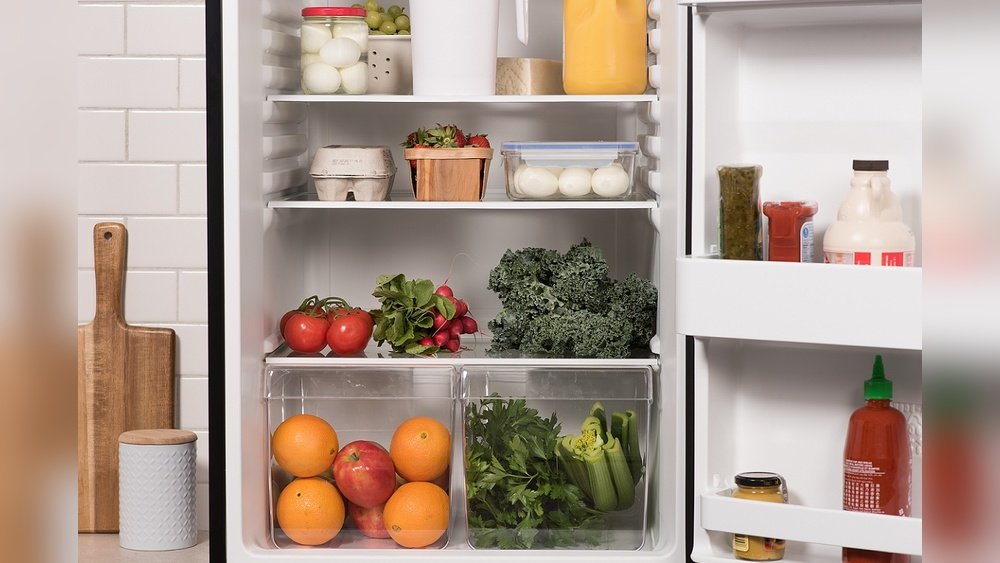
The main fridge body is the best place for eggs. It holds a steady temperature compared to the door. The door faces frequent temperature changes from opening and closing. Avoid storing eggs there to keep them fresh longer.
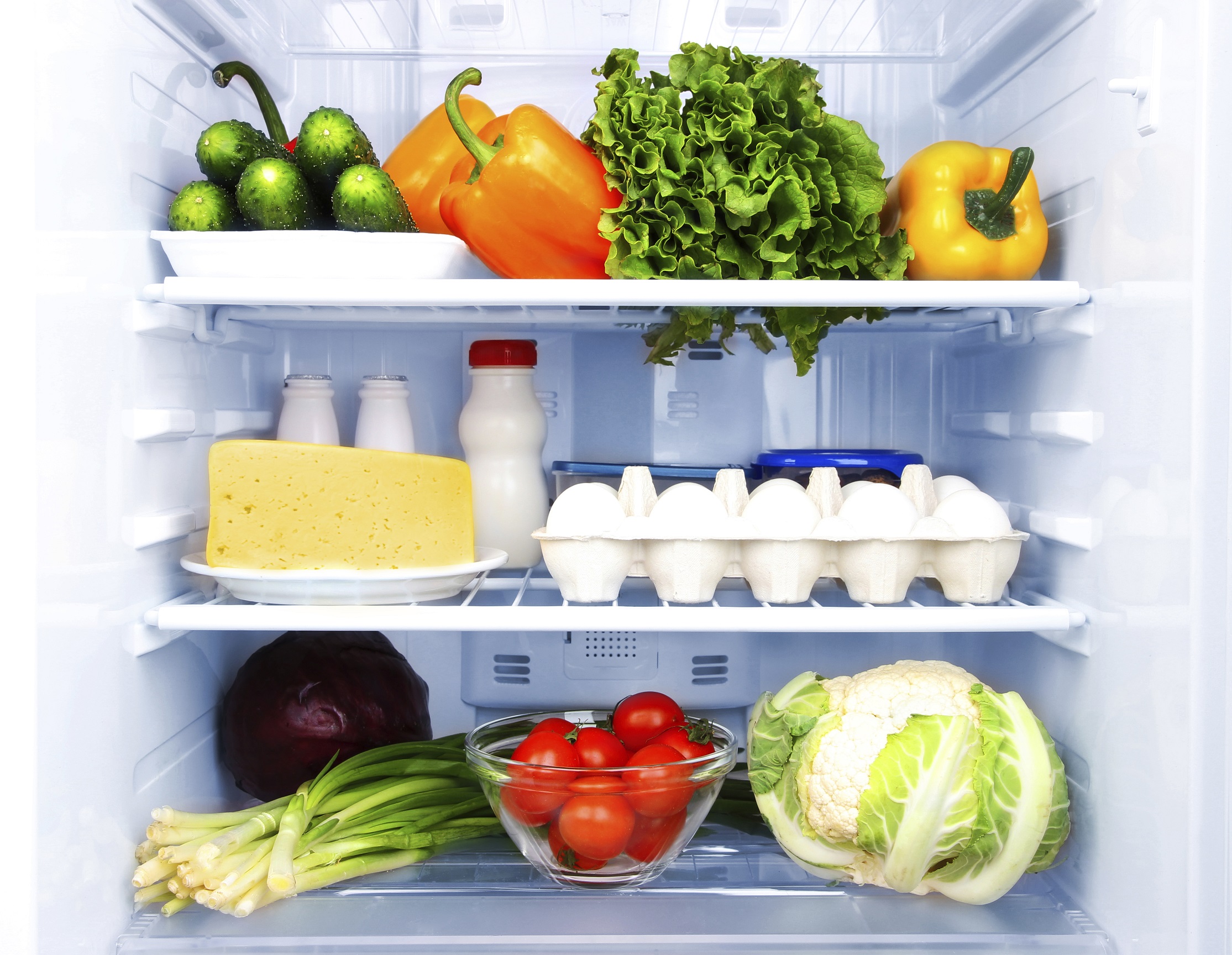
Place eggs on a middle or lower shelf in their original carton. The carton protects eggs from absorbing fridge odors. It also prevents moisture loss. These zones stay cooler and more stable than other parts.
Avoiding Temperature Fluctuations
Temperature swings harm egg freshness. Avoid frequent opening of the fridge door near eggs. Store eggs away from the fridge light and vents. These areas cause uneven cooling and temperature changes.
Keep the fridge door closed tightly to keep cold air inside. Check the fridge temperature regularly with a thermometer. This ensures eggs stay within the safe range. Consistent cold keeps eggs fresh and safe to eat longer.

Best Container Options
Choosing the right container keeps eggs fresh longer in the fridge. Proper storage protects eggs from odors and moisture. It also prevents cracks and damage. Using the best container helps maintain egg quality and safety.
Using Original Cartons
Egg cartons are designed to protect eggs during transport and storage. They keep eggs from bumping into each other. The carton’s shape holds eggs upright, which keeps the yolk centered. Cartons also reduce moisture loss by covering eggs.
Cartons have labels with important information like expiration dates. Storing eggs in their original carton helps you track freshness. Cartons are made of materials that breathe, preventing condensation buildup.
Alternatives For Egg Storage
Egg trays made of plastic or silicone can replace cartons. These trays hold eggs securely and fit in fridge shelves. Some trays have covers to protect eggs from smells and dirt.
Glass or ceramic egg holders offer a stylish way to store eggs. They protect eggs well but may take more space. Using a clean, covered container also works well. Avoid storing eggs loose without protection.
Placement In The Fridge
Storing eggs correctly in the refrigerator keeps them fresh longer. The right placement controls temperature and protects eggs from damage. Proper storage also prevents eggs from absorbing odors from other foods.
Choosing the best spot in the fridge matters a lot. Not all shelves keep eggs at the same temperature. Understanding where to place eggs helps maintain their quality.
Why Door Shelves Are Not Ideal
Door shelves are the warmest part of the fridge. Temperatures change frequently when the door opens. This makes eggs spoil faster. Eggs stored here lose freshness quickly. Avoid placing eggs in the door shelf for longer storage.
Choosing The Right Shelf
The middle or lower shelves are best for eggs. These areas stay cooler and keep a steady temperature. Place eggs in their original carton to protect them. Cartons prevent eggs from cracking and absorbing odors. Store eggs with the pointed end down to keep yolks centered.

Handling And Preparation
Proper handling and preparation of eggs before storing them in the refrigerator helps keep them fresh longer. It also reduces the risk of bacteria spreading. Simple steps can make a big difference in egg safety and quality.
Washing Eggs Before Storage
Eggs have a natural protective layer called the bloom. This layer keeps out bacteria and moisture. Washing eggs removes this layer and can let bacteria in. Only wash eggs if they are dirty. Use warm water and avoid soaking them. Dry eggs gently with a clean towel before storing.
Checking For Cracks And Damage
Always check eggs for cracks before storing. Cracks can let bacteria enter the egg. Discard any eggs with visible cracks or damage. Handle eggs carefully to avoid breaking them. Store eggs in their original carton to protect them from bumps.
Tips To Extend Freshness
Keeping eggs fresh longer saves money and reduces waste. Simple habits help you know if eggs are still good. These tips help you store eggs correctly and check their freshness easily.
Using Vinegar Or Saltwater Tests
Put eggs in a bowl with saltwater or vinegar water. Fresh eggs sink and stay at the bottom. Older eggs float or stand upright. This test helps avoid eating spoiled eggs.
Saltwater needs about 1 tablespoon of salt per cup of water. Vinegar water uses 1 part vinegar to 2 parts water. These tests are quick and safe to do at home.
Tracking Expiration Dates
Write the purchase date on the egg carton with a marker. Check the “sell by” or “use by” dates before buying eggs. Store eggs in their original carton to protect them.
Place the carton in the coldest part of the fridge, not the door. Keep eggs away from strong odors to avoid flavor changes. Tracking dates helps you use eggs before they spoil.
Common Mistakes To Avoid
Storing eggs in the refrigerator seems simple but many make common mistakes. These mistakes can affect the egg’s freshness and safety. Knowing what to avoid helps keep eggs fresh longer.
Eggs absorb smells easily. Storing them near strong odors is a mistake that can ruin their taste. Another error is how to store hard-boiled eggs after cooking. These mistakes reduce egg quality and increase waste.
Storing Eggs Near Strong Odors
Eggs have tiny pores in their shells. These pores let them absorb strong smells. Keep eggs away from foods like onions, garlic, or fish. Store eggs in their original carton to protect them from odors.
Never place eggs on the fridge door. The door opens often, exposing eggs to odors and temperature changes.
Refrigerating Hard-boiled Eggs
Hard-boiled eggs should cool completely before refrigeration. Store them in a clean container with a lid. Leaving shells on helps keep the eggs fresh longer.
Do not leave hard-boiled eggs out for more than two hours. Bacteria grow quickly at room temperature. Eat hard-boiled eggs within one week of cooking.
Frequently Asked Questions
How Should Eggs Be Stored In The Fridge?
Store eggs in their original carton on a middle shelf. This protects them from temperature fluctuations and odors. Avoid the fridge door as it’s warmer and causes spoilage faster.
Can Eggs Be Stored Without The Carton?
It’s best to keep eggs in their original carton. The carton prevents moisture loss and protects eggs from absorbing fridge odors. Loose eggs are more vulnerable to damage and contamination.
What Is The Ideal Fridge Temperature For Eggs?
Keep your refrigerator temperature between 35°F and 40°F (1. 6°C to 4. 4°C). This range ensures eggs stay fresh longer and reduces bacteria growth.
How Long Can Eggs Stay Fresh In The Fridge?
Fresh eggs can last about 3-5 weeks in the fridge. Always check the sell-by date and use the water test to confirm freshness.
Conclusion
Storing eggs properly keeps them fresh and safe to eat. Always place eggs in their original carton inside the fridge. Avoid storing eggs on the door, where temperature changes often. Keep the fridge temperature steady, around 4°C (39°F). Clean eggs before use, not before storage.
These simple steps help preserve taste and quality. Your eggs will last longer and stay healthy to eat. Small changes make a big difference in food safety. Remember, good storage means fewer worries about spoiled eggs. Easy and smart storage keeps your kitchen safe and efficient.

