
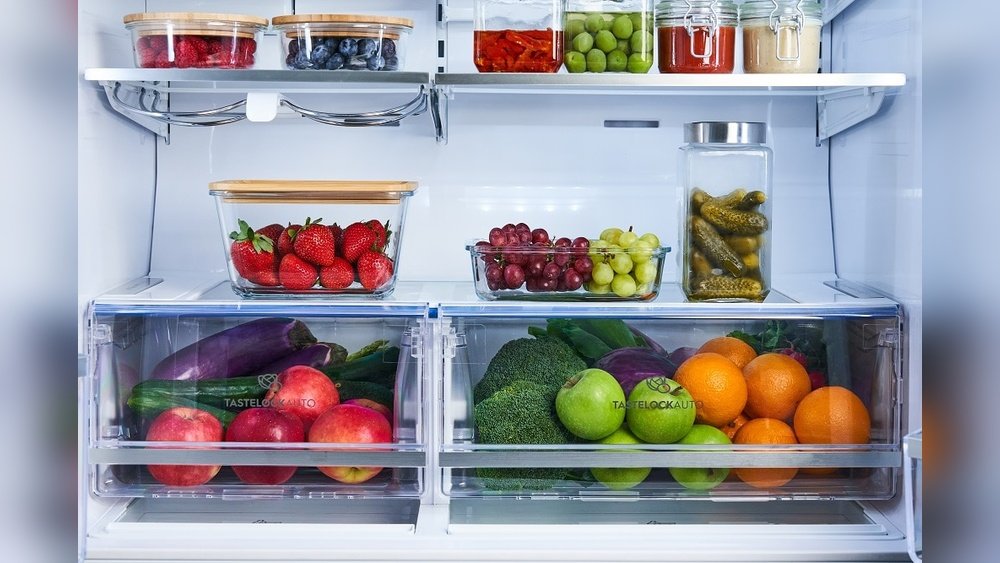
Are you tired of your fruits spoiling too quickly in the fridge? Imagine opening your refrigerator to find fresh, juicy fruits that stay tasty for days longer.
Knowing how to store fruits properly can save you money, reduce waste, and keep your snacks delicious every time. You’ll discover simple, effective tips that anyone can use to keep fruits fresh and flavorful. Ready to make your fridge work smarter for you?
Let’s dive in!
Choosing Fruits For Refrigeration
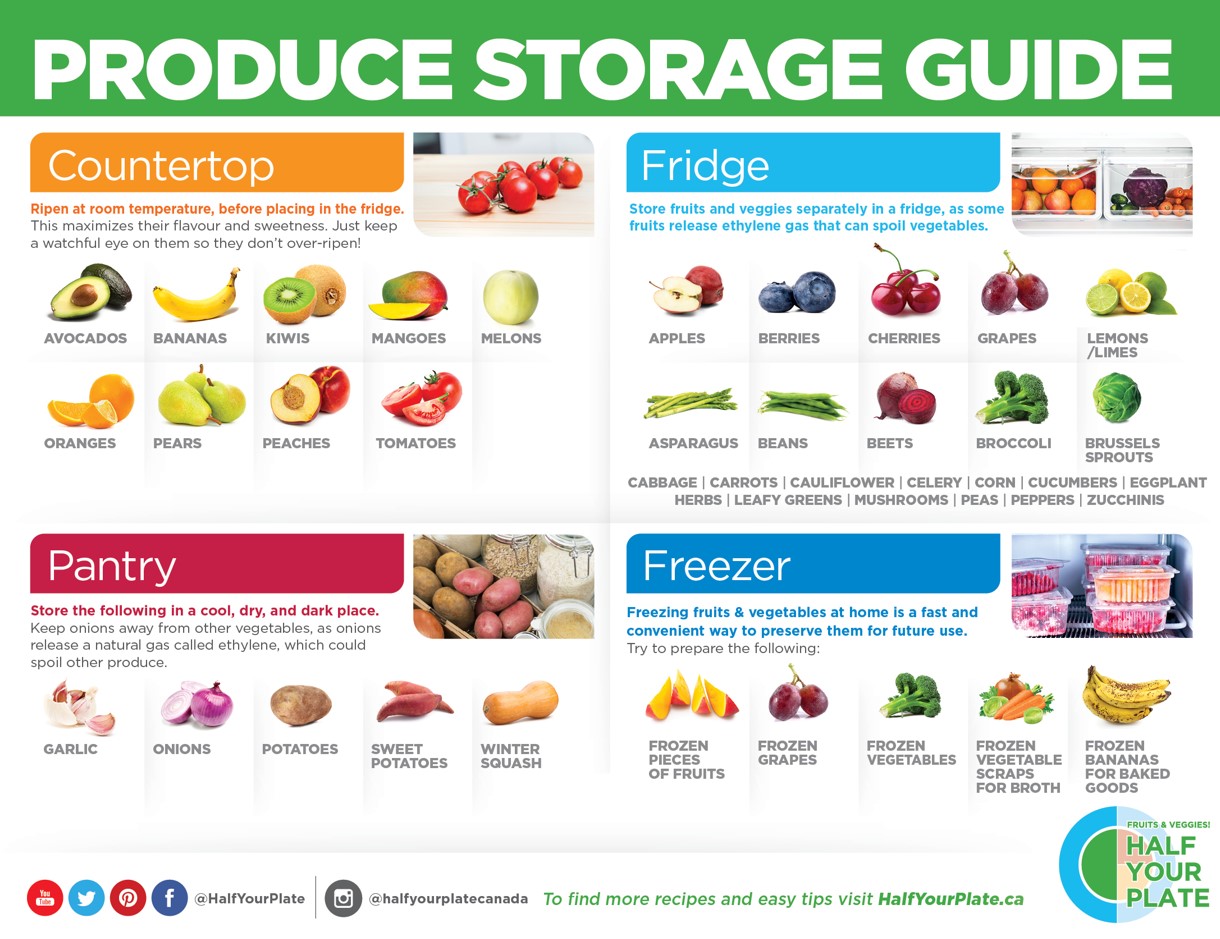
Choosing the right fruits for refrigeration helps keep them fresh longer. Some fruits do well in cold temperatures. Others lose flavor or texture if chilled. Knowing which fruits to refrigerate saves money and reduces waste. It also means you enjoy the best taste and quality.
Fruits That Benefit From Cold Storage
Apples stay crisp and fresh in the fridge. Grapes keep their juiciness for many days. Berries like strawberries, blueberries, and raspberries last longer when chilled. Citrus fruits such as oranges and lemons also do well in cold storage. Chilling slows down ripening and stops mold growth on these fruits.
Fruits Better Stored At Room Temperature
Bananas turn black and mushy when refrigerated. Tomatoes lose flavor and become mealy if chilled. Peaches, nectarines, and plums ripen best on the counter. Melons keep their aroma and sweetness outside the fridge. These fruits ripen well in warmer air and taste better fresh.
Prepping Fruits Before Refrigeration
Prepping fruits before placing them in the refrigerator helps keep them fresh longer. Proper preparation stops bacteria and mold from spreading. It also keeps fruits tasting better and looking nice. Taking a few simple steps can make a big difference in fruit storage.
Washing And Drying Techniques
Wash fruits under cool running water. Avoid using soap or detergents. Gently rub the surface to remove dirt and germs. Use a soft brush for fruits with thick skin. After washing, dry fruits completely. Use a clean towel or paper towel. Drying prevents moisture that causes mold and spoilage.
Removing Damaged Parts
Check fruits for bruises, cuts, or soft spots. Cut away any damaged or spoiled areas with a clean knife. Remove damaged parts to stop decay from spreading. Keep only firm and healthy parts. This step helps keep the fruit fresh longer in the fridge.
Optimal Storage Conditions
Storing fruits properly in the refrigerator helps keep them fresh longer. Fruits need specific conditions to stay tasty and healthy. The right temperature and humidity make a big difference. This section explains how to create the best environment for your fruits.
Understanding these conditions helps reduce spoilage and waste. You can enjoy fresh fruits every day by following simple storage tips.
Ideal Temperature Settings
Most fruits last longer between 32°F and 40°F (0°C to 4°C). This cold range slows down ripening and stops bacteria growth. Avoid freezing fruits unless you plan to use them later for smoothies or cooking.
Some fruits, like bananas and avocados, do not do well in cold temperatures. Keep these outside the fridge. For other fruits, keep them in the main fridge area, not in the door. The door temperature changes often and can spoil fruits faster.
Humidity Control Tips
Fruits need different humidity levels to stay fresh. Most fruits prefer high humidity between 85% and 95%. This keeps them from drying out. Use the crisper drawer in your fridge, which controls humidity well.
Some fruits release gas called ethylene, which speeds up ripening. Keep ethylene-producing fruits like apples and pears separate from sensitive fruits. Use perforated bags or containers to balance air flow and humidity. This method helps keep fruits firm and tasty longer.
Packaging And Placement
Proper packaging and placement of fruits in the refrigerator keep them fresh longer. It helps avoid spoilage and keeps flavors intact. Storing fruits correctly also prevents damage and waste. Understanding how to package and where to place fruits is key for freshness.
Using Proper Containers
Use containers that allow air to flow around fruits. Plastic containers with holes or breathable produce bags work well. Avoid sealing fruits in airtight bags as moisture builds up. Moisture causes mold and speeds decay. Clean containers prevent bacteria growth and keep fruits healthy.
Avoiding Cross-contamination
Keep fruits separate from raw meat and strong-smelling foods. Cross-contamination spreads bacteria and odors. Use different shelves or containers for fruits and other foods. Wash hands and surfaces before handling fruits. This stops germs from spreading and keeps fruits safe.
Best Refrigerator Compartments
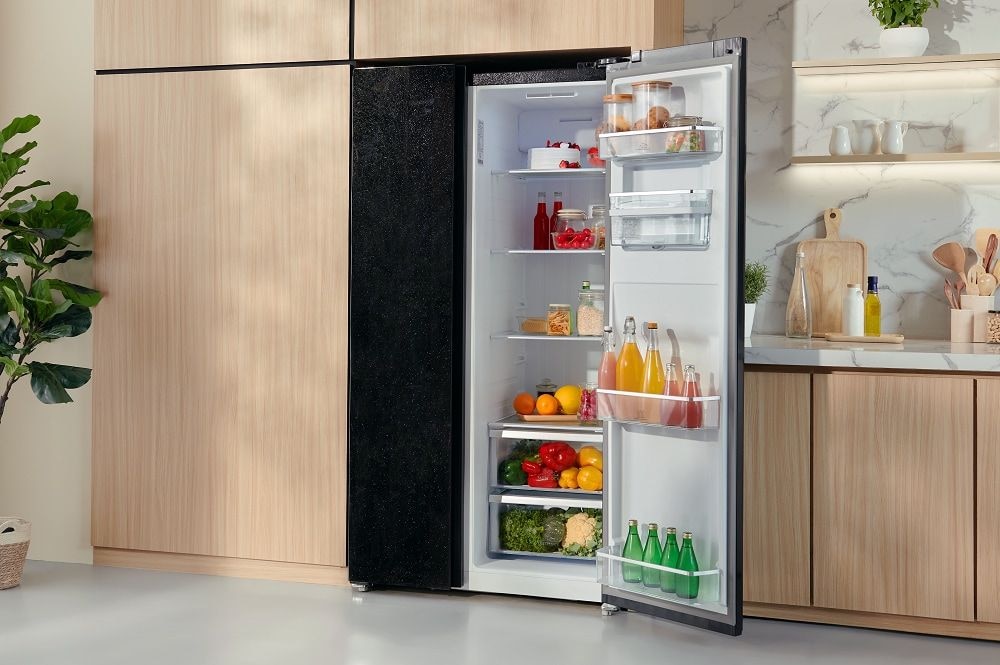
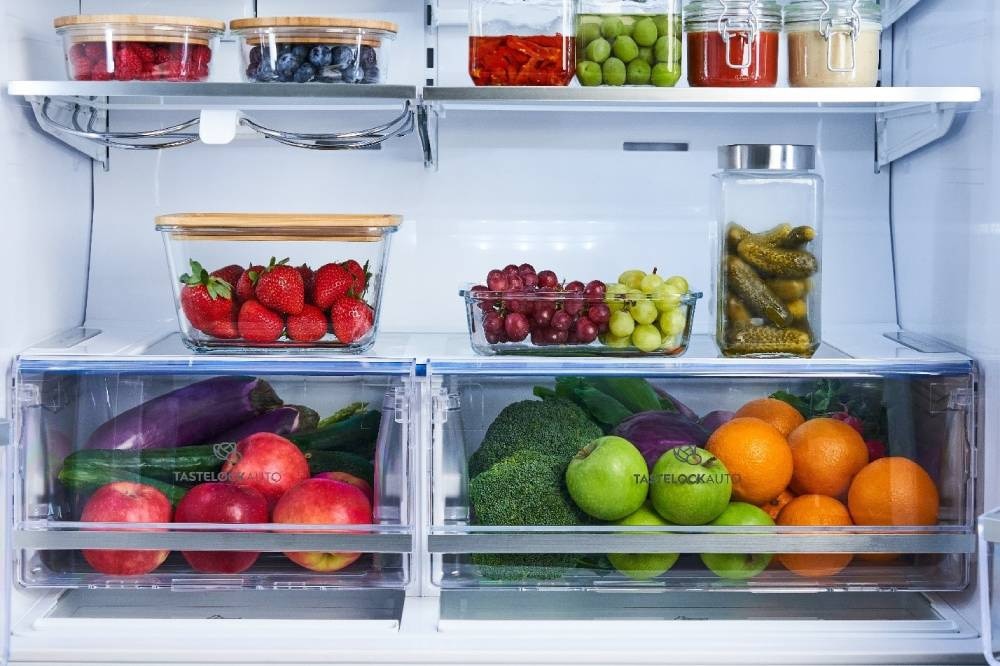
The crisper drawer is ideal for most fruits. It controls humidity, which slows ripening and spoilage. Use the upper shelves for fruits that need cooler temperatures. Avoid placing fruits near the refrigerator door. The temperature changes often there, which affects freshness.
Special Tips For Common Fruits
Storing fruits properly in the refrigerator helps keep them fresh longer. Each fruit type needs special care to stay tasty and firm. Knowing the best way to store common fruits saves money and reduces waste.
Here are simple tips for apples, pears, berries, grapes, citrus fruits, and stone fruits.
Apples And Pears
Apples and pears release a gas called ethylene. This gas makes other fruits ripen faster. Keep these fruits away from vegetables and other fruits. Store them in the fridge’s crisper drawer. Place them in a plastic bag with holes to keep moisture in.
Berries And Grapes
Berries and grapes spoil quickly. Do not wash them before storing. Moisture causes mold to grow fast. Keep them in their original container or a shallow container lined with paper towels. Store in the coldest part of the fridge. Eat within a few days for best taste.
Citrus Fruits
Oranges, lemons, limes, and grapefruits last longer in the fridge. Store them in the crisper or on a shelf. Keep them loose or in a mesh bag. Avoid airtight bags to stop moisture buildup. Citrus fruits stay fresh for up to two weeks this way.
Stone Fruits
Peaches, plums, cherries, and nectarines ripen outside the fridge. Check them daily for softness. Once ripe, place them in the refrigerator to slow down ripening. Use a paper towel to absorb moisture in the storage container. Eat within three to five days.
Signs Of Spoilage And When To Discard
Fruits can spoil even in the refrigerator. Knowing the signs helps avoid eating bad fruit. It also prevents food waste and keeps your fridge fresh.
Check fruits often for changes in color, smell, and texture. These clues tell if fruit is still good or should be thrown away.
Changes In Color
Fruit turning dark or dull means it may be spoiling. Brown or black spots show decay. Some fruits, like apples, brown naturally but too much means spoilage.
Unpleasant Odor
Fresh fruit smells sweet or neutral. A sour or rotten smell means bacteria or mold are growing. Avoid eating fruit with bad odors.
Soft Or Mushy Texture
Fruits should feel firm or slightly soft. Mushy or slimy fruit shows decay. Overripe fruit often turns mushy and should be discarded.
Visible Mold Growth
Mold appears as white, green, or blue fuzzy spots. Mold can spread quickly. Throw away any fruit with mold to stay safe.
Leakage Or Excess Moisture
Wet or leaking fruit can spoil other fruits. Moisture encourages mold and bacteria. Remove any fruit leaking juice or water in the fridge.
Extending Freshness Beyond Refrigeration
Refrigerators keep fruits fresh for days, but sometimes freshness must last longer. Extending freshness beyond refrigeration helps reduce waste and saves money. Simple techniques can keep fruits tasty and nutritious for weeks or months. These methods work well with many common fruits. Storing fruits smartly after refrigeration protects their flavor and texture. Try freezing and preservation methods to enjoy fruits longer.
Freezing Fruits
Freezing is an easy way to keep fruits fresh for months. Wash and dry fruits completely before freezing. Cut fruits into small pieces or slices for quick thawing. Spread pieces on a tray and freeze until solid. Then, place frozen pieces in airtight bags or containers. Label the bags with the date for easy tracking. Frozen fruits work great in smoothies, desserts, and cooking. This method keeps vitamins and flavor well.
Using Preservation Methods
Preservation methods help keep fruits fresh without refrigeration. Drying fruits removes moisture, which stops mold and decay. Use a dehydrator, oven, or sunlight for drying. Store dried fruits in airtight containers in a cool place. Canning fruits in jars with syrup or juice seals freshness. Pickling adds flavor and extends shelf life. Use sugar or salt to preserve fruits naturally. These methods keep fruits edible for weeks or months.
Frequently Asked Questions
How Do I Prepare Fruits Before Refrigerating?
Wash fruits gently under cold water to remove dirt. Dry them completely to prevent mold. Remove damaged spots and store in clean containers or perforated bags.
Which Fruits Should Not Be Refrigerated?
Bananas, mangoes, pineapples, and avocados ripen better at room temperature. Refrigeration can alter their texture and flavor negatively.
How Long Can Fruits Stay Fresh In The Fridge?
Most fruits last 3 to 7 days in the refrigerator. Some, like berries, last only 1 to 3 days. Check regularly for spoilage.
Should Fruits Be Stored Together In The Refrigerator?
Avoid storing fruits together as some emit ethylene gas. Ethylene speeds ripening and spoilage of nearby fruits. Separate ethylene producers from sensitive fruits.
Conclusion
Storing fruits in the refrigerator keeps them fresh longer. Keep fruits dry and separate to avoid spoilage. Use plastic bags or containers with holes for air flow. Store berries on a paper towel to absorb moisture. Apples last longer when kept away from other fruits.
Check fruits regularly and remove any spoiled ones quickly. Proper storage saves money and reduces food waste. Enjoy fresh, tasty fruits every day with simple care. Simple habits make a big difference in fruit freshness.

