
You’ve just finished a delicious meal, but now you’re faced with a common question: how do you store your leftovers properly in the refrigerator? Getting this right can save you time, money, and even keep you safe from foodborne illnesses.
Imagine opening your fridge and finding your meals still fresh, tasty, and ready to eat days later. Sounds good, doesn’t it? You’ll discover simple, practical tips to store your leftovers the right way, so you never have to worry about waste or spoiled food again.
Keep reading to unlock easy steps that make your fridge work smarter for you.
Choosing The Right Containers
Choosing the right containers is key to storing leftovers safely and keeping food fresh longer. The right container protects food from air and moisture. It also helps avoid spills and odors. Picking containers that fit your fridge space saves room and keeps things organized.
Material Options
Containers come in plastic, glass, and silicone. Plastic containers are light and cheap but may stain or absorb odors. Glass containers last longer and do not stain. They are safe for microwaves and ovens. Silicone containers are flexible and easy to store. Choose containers that are BPA-free for safety.
Size And Shape Matters
Use containers that match the amount of leftover food. Small containers keep food fresh better than large, half-full ones. Square or rectangular containers fit better in the fridge than round ones. Stackable containers save space and make the fridge look neat.
Sealing Techniques
Containers with tight lids keep food fresh longer. Look for lids that snap or screw on firmly. Use airtight containers to stop smells from mixing. Avoid loose lids that let air inside. Proper sealing slows down food spoilage and keeps flavors intact.
Cooling Leftovers Before Storage
Cooling leftovers before storing them in the refrigerator is important. It helps keep food safe and fresh. Hot food placed directly in the fridge can raise the temperature inside. This can cause other foods to spoil faster. Proper cooling slows down bacteria growth. It also keeps the texture and taste of your food better.
Safe Cooling Practices
Divide large portions of food into smaller containers. This helps food cool down faster. Spread food out in shallow containers. Leave containers uncovered until the food cools. Cover them only after cooling to prevent moisture buildup. Stir soups or stews occasionally to release heat. Place containers in an ice bath if needed. Avoid stacking warm containers on top of each other. This traps heat and slows cooling.
Avoiding Temperature Danger Zones
The danger zone for food is between 40°F and 140°F. Bacteria grow quickly in this range. Cool food to below 40°F within two hours. Use a food thermometer to check temperatures. Never leave leftovers out at room temperature for more than two hours. Quickly move cooled food to the refrigerator. Keep your fridge temperature at or below 40°F. Proper cooling and storage prevent foodborne illness.
Organizing The Refrigerator
Keeping leftovers fresh depends a lot on how you organize your refrigerator. A tidy fridge helps food stay safe and easy to find. It also prevents waste and saves time during meal prep.
Good organization means placing leftovers in the right spots. Using fridge zones wisely and labeling containers can make a big difference. These simple steps keep your food fresh longer and your kitchen running smoothly.
Optimal Placement For Leftovers
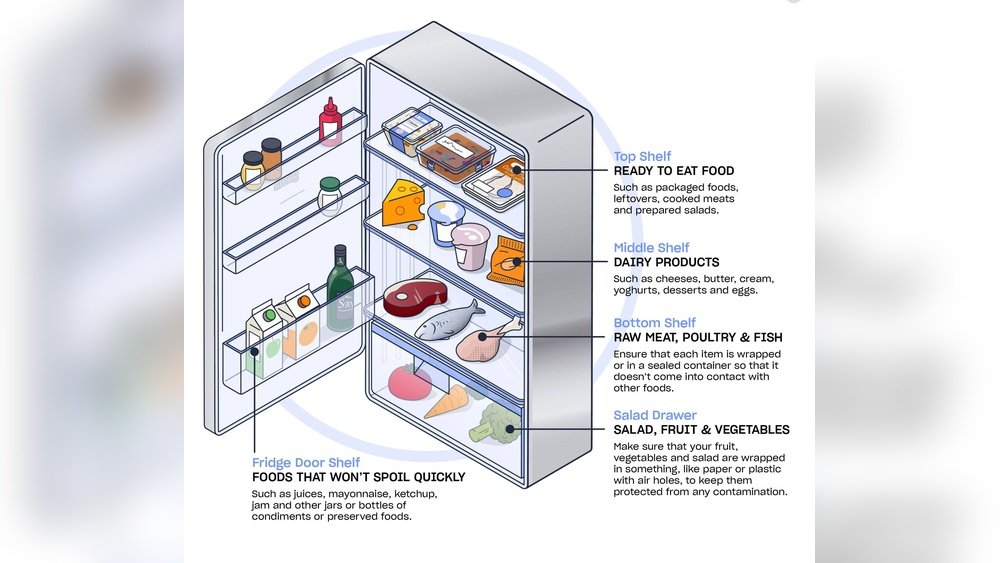
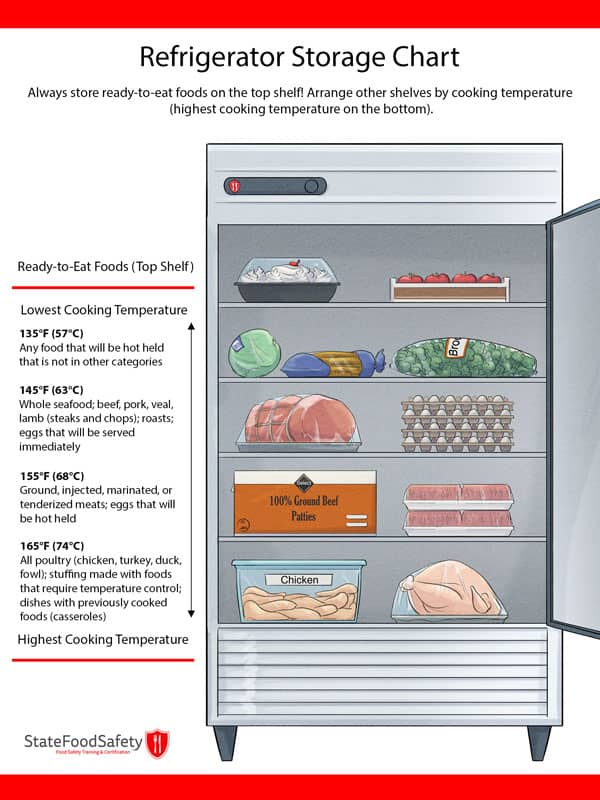
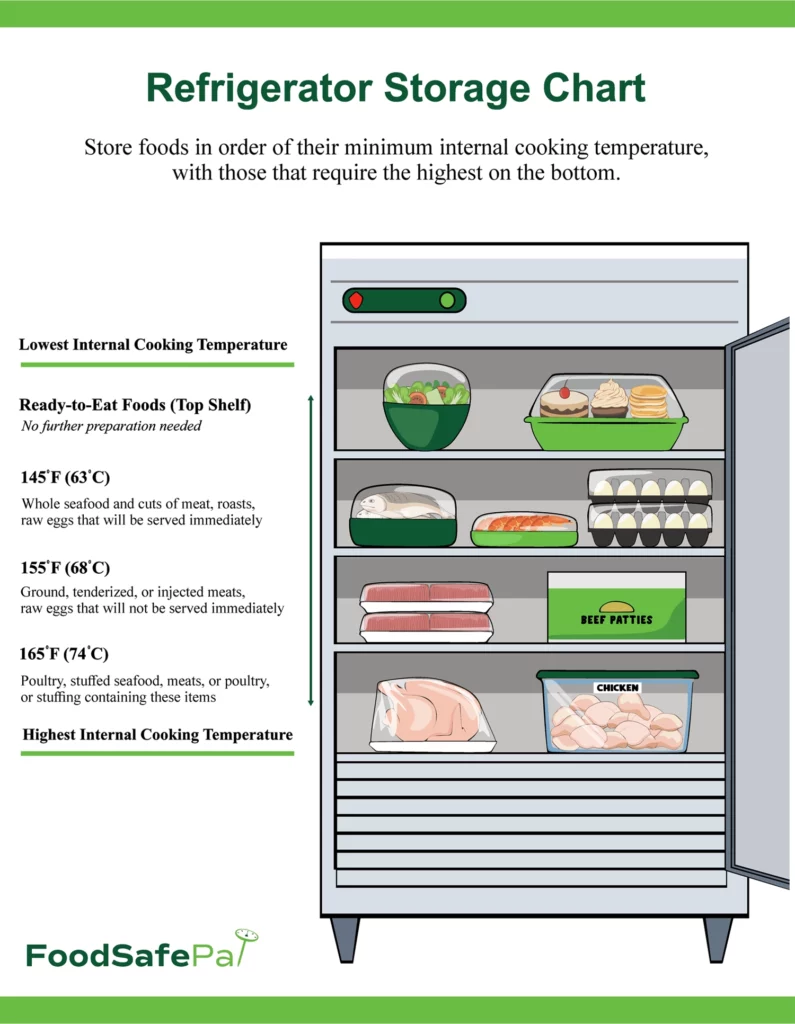
Place leftovers on the middle shelves where temperature stays steady. Avoid the fridge door, as it has the warmest and most changeable temperature. Store raw meat on the bottom shelf to prevent drips contaminating other foods. Keep leftovers in clear containers to see them easily and remind yourself to eat them soon.
Using Refrigerator Zones
Divide your fridge into zones for different foods. Use the top shelves for ready-to-eat items like leftovers and drinks. Keep fruits and vegetables in the crisper drawers to maintain freshness. The bottom shelves suit raw meat and fish, as it is cooler there. This system keeps foods safe and prevents flavors from mixing.
Labeling And Dating
Write the date on each leftover container. Use a permanent marker or sticky labels. This helps track how long food has been stored. Label the contents to avoid confusion later. Clear labeling reduces food waste and keeps your fridge organized.
:max_bytes(150000):strip_icc()/HowToOrganizeYourRefridgerator_Color_1-2000-82ccab726a494a6daa9275c239df53de.jpg)
Maintaining Ideal Refrigerator Settings
Keeping your refrigerator settings right helps food stay fresh longer. Proper settings stop bacteria growth and keep leftovers safe. Checking these settings often makes a big difference.
Temperature Control
Set your refrigerator between 35°F and 38°F (1.7°C – 3.3°C). This range keeps food cold enough without freezing. Use a fridge thermometer to check the temperature. Adjust the dial if it is too warm or cold. Proper temperature slows down food spoilage and bacteria.
Humidity Levels
Many fridges have drawers with humidity controls. High humidity drawers keep vegetables fresh and crisp. Low humidity drawers are best for fruits to prevent mold. Use these settings to match the type of food. Proper humidity keeps leftovers tasty and fresh longer.
Regular Cleaning
Clean your fridge every few weeks to stop bad smells and germs. Remove old food and wipe shelves with warm, soapy water. Dry everything well before putting food back. Clean fridges work better and keep leftovers safe to eat.
Reheating Leftovers Safely
Reheating leftovers safely is important to avoid foodborne illness. Proper reheating kills harmful bacteria that can grow during storage. It also keeps the food tasty and fresh for your next meal.
Proper Reheating Methods
Use a microwave, oven, or stovetop to reheat leftovers. Heat the food evenly to avoid cold spots where bacteria can survive. Stir or rotate food during reheating. Make sure the food reaches 165°F (74°C) to be safe. Use a food thermometer to check the temperature. Cover the food to keep moisture and heat inside.
Avoiding Repeated Heating
Do not reheat leftovers more than once. Each time food cools and reheats, bacteria can grow. Repeated heating reduces food quality and safety. Only take out the portion you want to eat. Store the rest in the fridge right away. This practice keeps your food safer and fresher.
Signs Of Spoiled Leftovers
Knowing the signs of spoiled leftovers helps keep food safe to eat. Spoiled food can cause stomach upset or illness. It is important to check leftovers before eating. Look for clear signs that food is no longer good. Trust your senses to spot spoiled items.
Visual Indicators
Look closely at the leftover food. Mold is a clear sign of spoilage. It can appear as green, white, or black spots. Changes in color also show spoilage. Food may look dull or darker than before. Any unusual liquid or slimy film is a warning. These changes mean the food should not be eaten.
Smell And Texture Changes
Smell the leftovers carefully. A sour or rotten smell means the food is bad. Fresh leftovers usually have a mild or normal smell. Texture changes also matter. If food feels sticky, slimy, or mushy, it is spoiled. Fresh food keeps its original texture. Trust your nose and fingers to decide.
When To Discard
Throw away leftovers if you see mold or strange colors. Bad smells or slimy textures are signals to discard. If leftovers have been in the fridge for more than four days, it is safer to throw them out. Never taste food to check if it is bad. Eating spoiled leftovers can cause food poisoning. Always choose safety first with leftovers.
Frequently Asked Questions
How Long Can Leftovers Stay In The Refrigerator?
Leftovers can safely stay in the refrigerator for 3 to 4 days. Store them in airtight containers to maintain freshness. Always check for spoilage signs before consuming to avoid foodborne illnesses.
What Is The Best Container For Storing Leftovers?
Use airtight, BPA-free plastic or glass containers with tight-fitting lids. These containers prevent moisture loss and odor absorption. Proper containers help keep leftovers fresh longer and reduce contamination risks.
Should Leftovers Be Cooled Before Refrigerating?
Yes, cool leftovers to room temperature within two hours before refrigerating. Hot food can raise the fridge temperature, promoting bacterial growth. Cooling helps maintain food safety and preserves quality.
How To Organize Leftovers In The Refrigerator?
Store leftovers in clear, labeled containers with dates. Place newer items behind older ones to use older food first. Keep leftovers on middle shelves where temperature is consistent for better preservation.
Conclusion
Storing leftovers properly keeps food fresh and safe to eat. Use airtight containers to stop smells and spills. Label each container with the date to track freshness. Keep leftovers in the fridge within two hours after cooking. Consume them within three to four days for best quality.
Always reheat leftovers until they are hot all the way through. These simple steps save money and reduce food waste. Safe storage means tasty meals ready for later. Easy to do and good for your health.

