
Are you unsure about how to keep your meat fresh and safe in the refrigerator? Storing meat the right way can save you money, prevent food poisoning, and keep your meals tasting great.
You’ll discover simple and effective tips to store your meat properly. By the time you finish reading, you’ll feel confident about handling your meat like a pro. Let’s dive in and protect your food—and your health—starting now.
Choosing The Right Meat
Choosing the right meat is key for safe and fresh storage in your refrigerator. Different meats need different care to keep their taste and quality. Knowing the types of meat and their storage needs helps you keep food safe and reduce waste.
Types Of Meat And Storage Needs
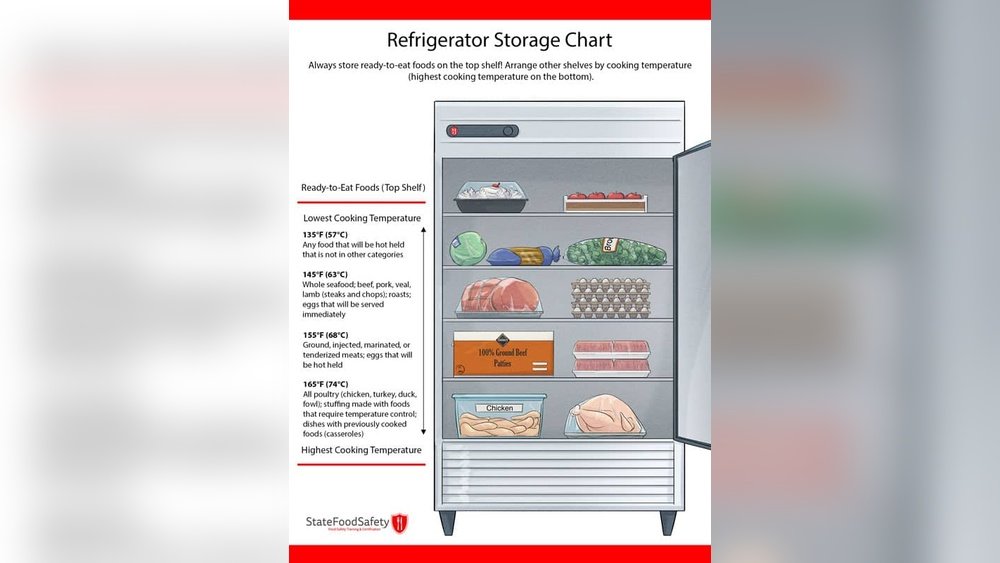
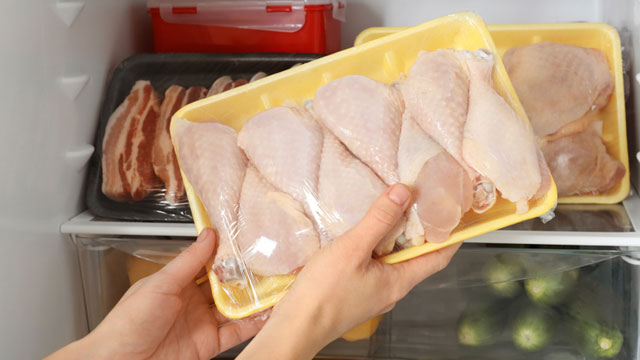
Meat comes in many types like beef, pork, chicken, and fish. Each type has its own storage time and temperature needs. Beef and pork can last longer in the fridge than fish or chicken. Fish and chicken should be stored on the bottom shelf to avoid dripping on other foods. Always keep raw meat separate from cooked foods to stop germs from spreading.
Fresh Vs. Frozen Meat
Fresh meat lasts only a few days in the refrigerator. Store it in the coldest part of the fridge, usually near the back. Frozen meat can last for months if stored correctly. Use airtight packaging to avoid freezer burn. Thaw frozen meat in the fridge, not at room temperature, to keep it safe. Plan meals to use fresh meat first and frozen meat later.
Ideal Refrigerator Temperature
Keeping meat fresh in the refrigerator depends a lot on temperature. The right temperature stops bacteria from growing quickly. It also keeps meat safe and tasty for longer. Knowing the ideal temperature helps prevent food waste and health risks.
Setting The Optimal Temperature
The best temperature for storing meat is just above freezing. Aim for 34°F to 40°F (1°C to 4°C). This range keeps meat cold enough to stay fresh. Avoid temperatures above 40°F (4°C) to prevent bacteria growth. Do not set the fridge too cold either. Temperatures below 32°F (0°C) can freeze meat and change its texture.
Using Thermometers For Accuracy
Many refrigerators show a temperature dial, but it is not always exact. Use a refrigerator thermometer to check the true temperature inside. Place it in the meat storage area for best results. Check the thermometer regularly to make sure the fridge stays in the safe range. Adjust settings if the temperature goes too high or low. This simple step keeps your meat safe and fresh every day.
Packaging Meat Properly
Proper packaging keeps meat fresh longer and stops bad smells. It blocks air and moisture from reaching the meat. Good packaging also prevents bacteria from growing. This helps keep the meat safe to eat.
Wrapping Techniques
Wrap meat tightly in plastic wrap or butcher paper. Make sure no air pockets remain around the meat. Use freezer paper for meat that stays in the fridge longer. Wrap edges well to avoid leaks or spills. This keeps the meat moist and stops freezer burn.
Using Airtight Containers
Place meat in clean, airtight containers if you prefer not to wrap. Containers stop air and odors from entering. Choose containers that fit the meat size to reduce extra space. Label containers with the date for easy tracking. Airtight containers are easy to stack and organize in the fridge.
Organizing Meat In The Fridge
Organizing meat in the fridge helps keep it fresh longer. It also protects other foods from bacteria. Proper organization ensures safety and good airflow. This section explains how to store meat safely in your refrigerator.
Placement For Best Airflow
Place meat on the bottom shelves of the fridge. Cold air circulates better near the back. Avoid blocking vents with large packages. Leave space between items for air to move. Proper airflow keeps meat at a safe temperature.
Avoiding Cross-contamination
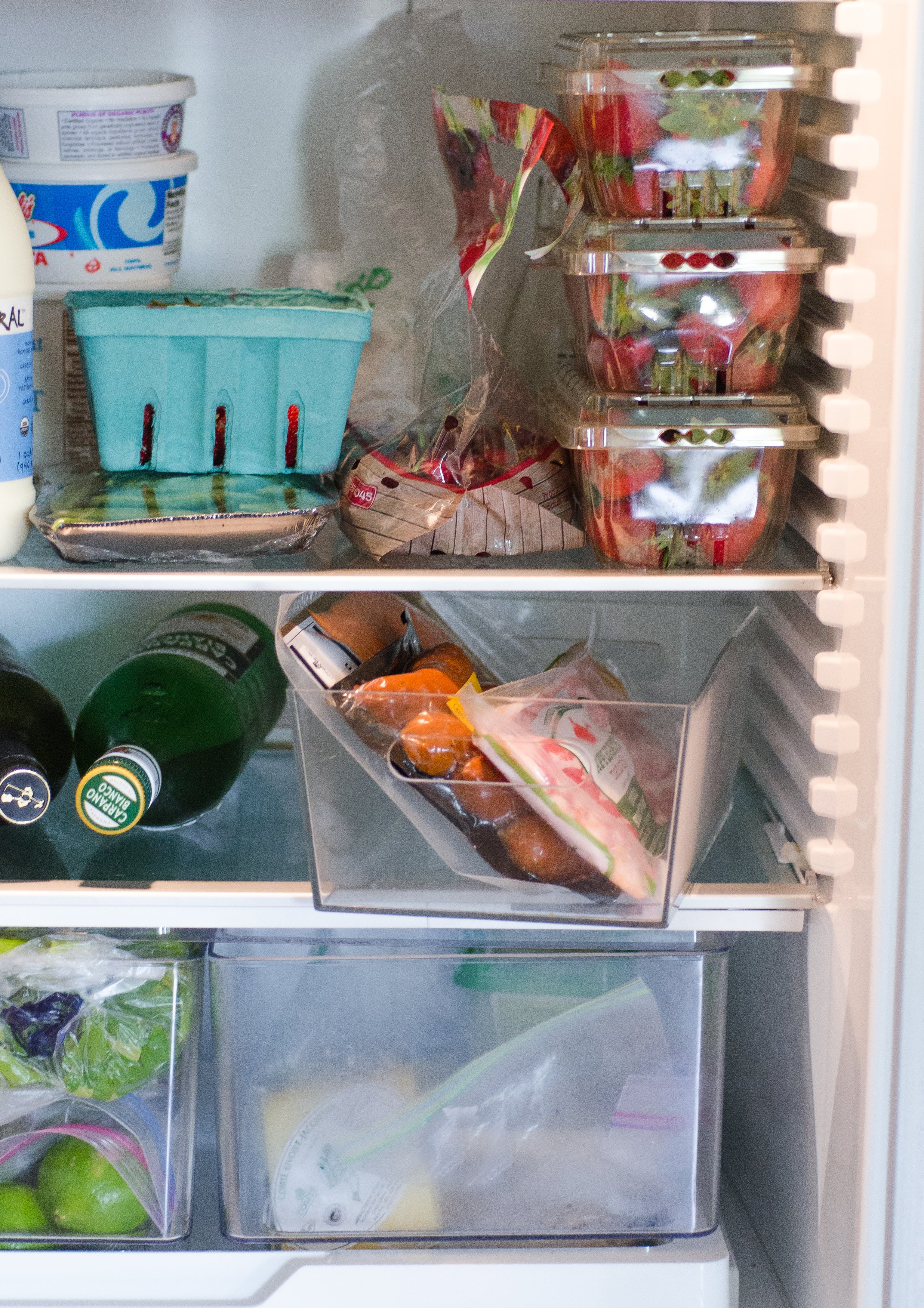
Store raw meat separately from cooked foods. Use sealed containers or plastic wrap to cover meat. Keep meat away from fruits and vegetables. Clean any spills immediately to stop bacteria spread. Use different cutting boards and utensils for meat and other foods.
Shelf Life Of Different Meats
Knowing the shelf life of different meats helps keep food safe and fresh. Each type of meat lasts a different time in the refrigerator. Proper storage slows down spoilage and stops harmful bacteria from growing. This section explains how long fresh and cooked meats stay good in the fridge.
Fresh Meat Durations
Fresh beef, pork, lamb, and veal last about 3 to 5 days in the fridge. Ground meat should be used within 1 to 2 days. Fresh poultry like chicken or turkey stays safe for 1 to 2 days. Fish and shellfish are best eaten within 1 to 2 days. Store all fresh meats in their original packaging on the bottom shelf. This prevents juices from dripping on other foods.
Cooked Meat Storage Times
Cooked meat keeps well for 3 to 4 days in the refrigerator. This includes cooked beef, pork, poultry, and fish. Store cooked meat in airtight containers or wrap tightly with foil. Leftovers should cool before refrigerating. Proper storage helps keep flavor and texture fresh.
Signs Of Spoiled Meat
Knowing the signs of spoiled meat helps keep your food safe. Spoiled meat can cause sickness. It is important to spot the changes early. Some signs are easy to see or smell.
Visual Indicators
Fresh meat looks bright and firm. Spoiled meat often changes color. It may turn gray, green, or brown. Slimy or sticky surfaces are warning signs. Mold spots also mean the meat is bad. Always check for unusual colors or textures.
Smell And Texture Changes
Fresh meat has a mild smell. Spoiled meat smells sour or rotten. The bad odor is strong and unpleasant. The texture feels different too. Spoiled meat is slimy or sticky to touch. It may feel mushy or soft. These changes show the meat is unsafe.
Tips For Freezing Meat Safely
Freezing meat is a great way to keep it fresh for longer. Proper freezing keeps the meat tasty and safe to eat. Follow simple steps to avoid spoilage and freezer burn. These tips help keep the meat’s texture and flavor intact.
Using the right method saves money and reduces food waste. Pay attention to how you prepare and thaw meat for the best results.
Preparation Before Freezing
Start with fresh meat. Avoid freezing meat past its expiration date. Trim extra fat to stop bad odors. Cut meat into portions you will use at one time. Wrap each piece tightly in plastic wrap or foil. Use freezer bags to remove air and seal well. Label packages with the date to track storage time. Freeze meat quickly to keep its quality high.
Thawing Best Practices
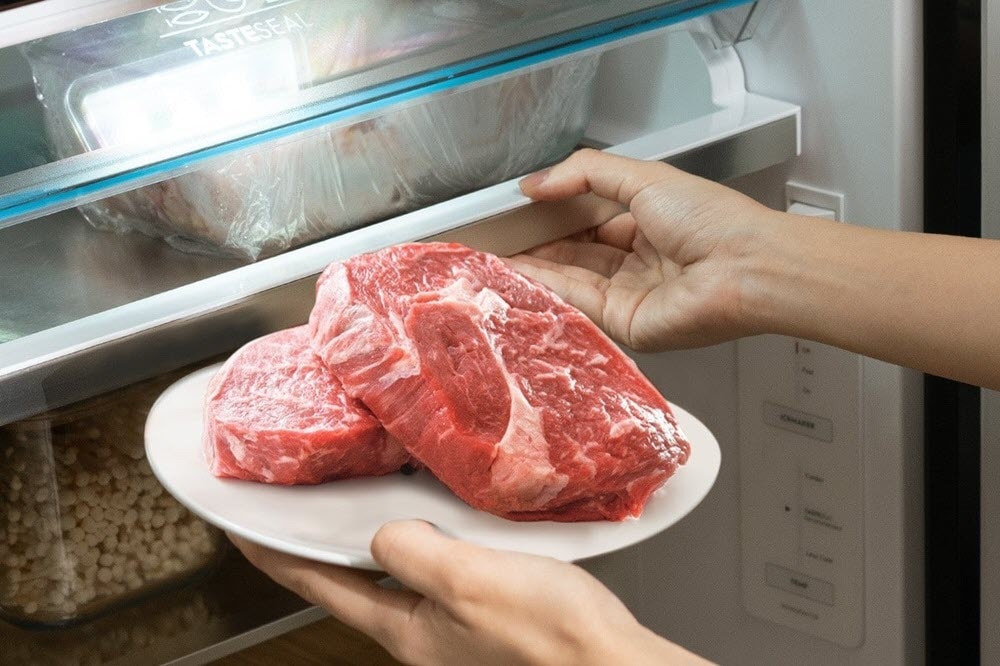
Thaw meat slowly for safety and taste. Place frozen meat in the fridge overnight. This keeps the meat at a safe temperature. Use a bowl to catch drips and avoid mess. Cook meat soon after it thaws. Avoid thawing meat on the counter to stop bacteria growth. For fast thawing, use a microwave, but cook meat right away. Proper thawing keeps meat juicy and safe to eat.
Frequently Asked Questions
How Long Can Meat Stay In The Refrigerator?
Fresh meat lasts 1-2 days refrigerated; ground meat 1 day. Cooked meat stays safe for 3-4 days. Always store meat at or below 40°F (4°C) to prevent bacterial growth.
What Is The Best Temperature To Store Meat?
Keep your refrigerator temperature at or below 40°F (4°C). This temperature slows bacterial growth and keeps meat fresh longer. Use a fridge thermometer for accuracy.
Should Meat Be Stored In Original Packaging?
Yes, store meat in its original packaging if airtight. For extra protection, place it in a sealed container or plastic bag. This prevents contamination and keeps meat fresh.
Where In The Fridge Should Meat Be Stored?
Store meat on the lowest shelf to avoid drips contaminating other foods. Use a tray or plate to catch any leaks. Keep it separate from ready-to-eat items.
Conclusion
Storing meat correctly keeps it fresh and safe to eat. Always use clean containers or wraps to avoid spills. Keep meat on the bottom shelf to stop drips from contaminating other foods. Check the refrigerator temperature regularly to stay below 40°F (4°C).
Use meat within a few days or freeze it for longer storage. These simple steps help protect your family’s health. Safe meat storage saves money and reduces waste. Remember, good habits make your kitchen safer every day.

