
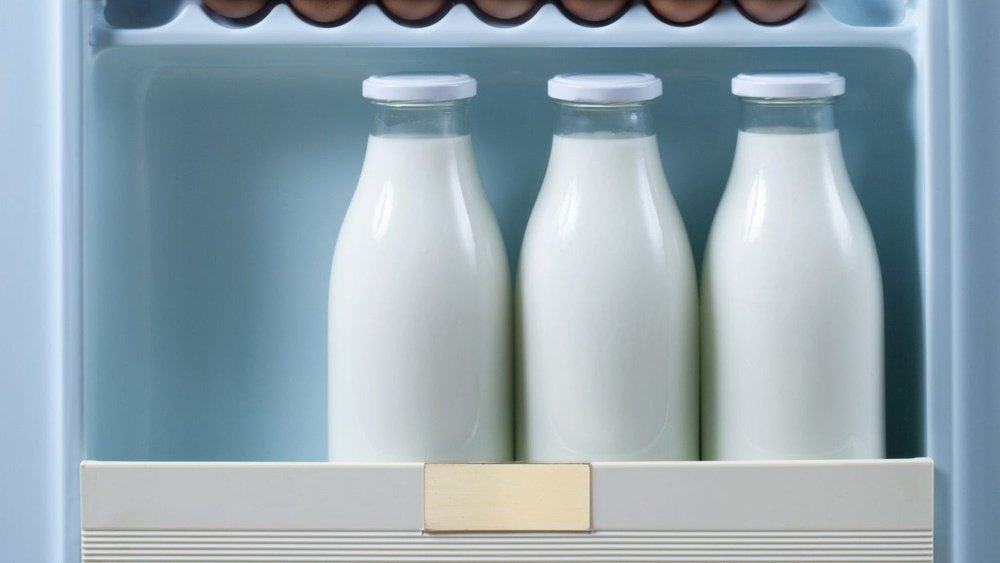
Are you tired of milk going sour before you get a chance to finish it? Properly storing milk in your refrigerator can make all the difference in keeping it fresh and safe to drink.
You might think that simply placing the milk on any shelf will do, but small changes in where and how you store it can extend its life significantly. You’ll discover easy, practical tips that help you keep your milk fresher for longer, save money, and avoid waste.
Ready to unlock the secrets to perfect milk storage? Keep reading—you’ll be surprised how simple it is to get it right every time.
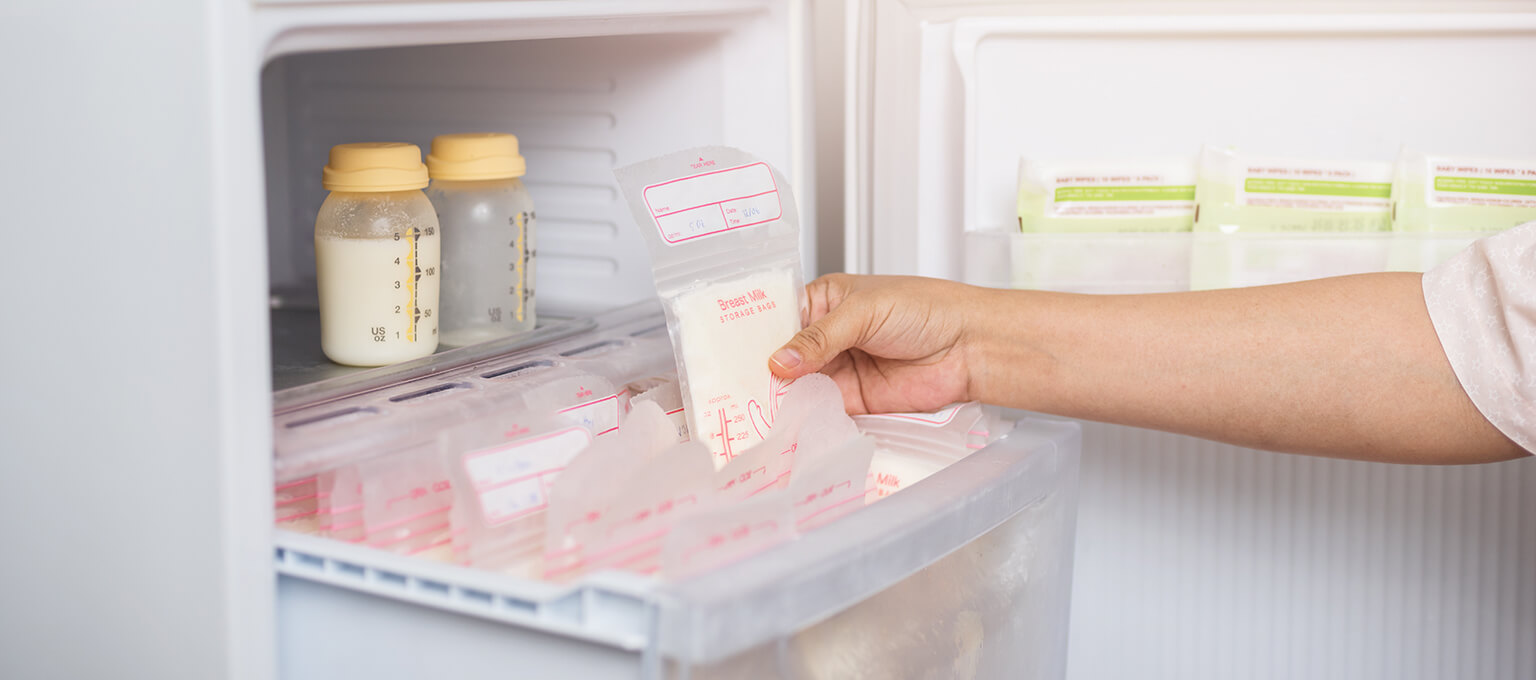
Choosing The Right Container
Choosing the right container to store milk in your refrigerator matters. It helps keep milk fresh longer and prevents spills. The container affects the milk’s taste and how well it stays cold. Picking the best option means your milk stays safe to drink and tastes good.
Glass Vs Plastic Bottles
Glass bottles do not absorb smells or colors. They keep milk pure and fresh. Glass is easy to clean and reusable. It is also heavier and can break easily.
Plastic bottles are light and less likely to break. They come in many shapes and sizes. Some plastics can absorb smells or affect taste. Look for BPA-free plastic to keep milk safe.
Sealed Containers And Their Benefits
Sealed containers prevent air and bacteria from entering. This helps milk stay fresh longer. They stop spills and leaks inside the fridge. A tight seal keeps milk from absorbing fridge odors.
Use containers with lids that close firmly. Check the seal before storing milk. This simple step protects the milk’s quality and freshness.
Optimal Refrigerator Placement
Storing milk properly in your refrigerator keeps it fresh longer. The right spot inside the fridge matters a lot. Place milk where the temperature stays steady and cold.
Milk spoils faster if it faces warm or fluctuating temperatures. Finding the best spot helps prevent this. Avoid places that warm up often or get direct air flow.
Avoiding Door Storage
The fridge door is the warmest spot. It opens and closes many times daily. Temperature changes cause milk to spoil faster here.
Store milk inside the fridge, not in the door. This keeps it colder and fresher longer. The door is better for condiments and drinks that tolerate mild warmth.
Best Temperature Zones
The coldest part of the fridge is usually the back of the bottom shelf. Place milk here for steady cold.
Do not place milk near the fridge’s light or vents. These spots can cause temperature shifts.
Keep milk away from strong-smelling foods to avoid odor absorption. Use a sealed container for extra protection.
Temperature Settings For Milk
Keeping milk fresh depends a lot on the right temperature. Milk spoils fast if the refrigerator is too warm. Setting the correct temperature slows down bacteria growth. This keeps milk safe to drink for longer.
Ideal Refrigerator Temperature
The best temperature for storing milk is between 34°F and 38°F (1°C to 3°C). This range keeps milk cold enough without freezing it. Temperatures above 40°F (4°C) can cause milk to spoil quickly. Too cold, and the milk might freeze, changing its texture and taste. Most refrigerators have a dial or digital control to set the temperature. Check and adjust it to stay within this ideal range.
Using Thermometers For Accuracy
Refrigerator dials can be inaccurate. A simple fridge thermometer helps check the real temperature. Place the thermometer inside the fridge near the milk. Check it regularly to ensure the temperature stays right. This small step prevents milk from spoiling unexpectedly. Some models show temperature digitally, making it easier to keep track. Using a thermometer is an easy way to protect your milk and avoid waste.
Handling Milk For Longevity
Handling milk properly helps keep it fresh longer. Careful storage slows down spoilage and maintains taste. Small habits make a big difference in milk longevity.
Minimizing Exposure To Air
Air causes milk to spoil faster. Always close the milk container tightly after use. Avoid leaving the container open on the fridge shelf.
Pour milk quickly to reduce air contact. Use smaller containers to limit air inside. These steps keep milk fresher for more days.
Avoiding Cross-contamination
Cross-contamination introduces bacteria that spoil milk. Use clean utensils when handling milk. Never dip fingers or dirty spoons into the milk container.
Store milk away from raw foods and strong-smelling items. Keep the fridge clean to stop bacteria growth. These habits protect milk and extend its shelf life.
Tips For Storing Different Types Of Milk
Different types of milk need different storage methods to stay fresh. Proper storage keeps milk safe and tasty longer. This section explains tips for storing fresh, UHT, and powdered milk.
Fresh Milk
Keep fresh milk in the coldest part of the fridge. Avoid the door shelf because temperature changes often there. Store milk in its original container with the lid tightly closed. Use fresh milk within 3 to 5 days after opening. Always check the expiration date before use. Pour milk quickly to reduce exposure to air and bacteria.
Uht And Powdered Milk
UHT milk can stay outside the fridge until opened. Store it in a cool, dry place away from sunlight. After opening, keep UHT milk in the refrigerator and use it within 7 days. Powdered milk should be stored in an airtight container. Keep it in a cool, dry area to avoid moisture. Use powdered milk before the expiration date for best quality.
Signs Of Spoiled Milk
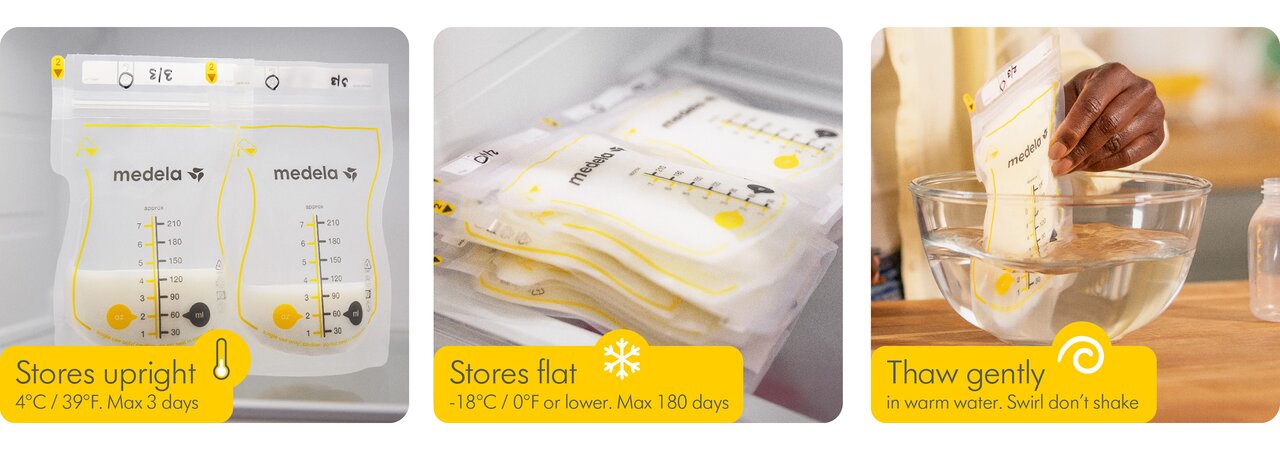
Milk spoils quickly if not stored correctly. Knowing the signs helps prevent health risks. Spoiled milk looks, smells, and tastes different. Recognizing these signs keeps your family safe.
Visual Changes
Milk that has gone bad often changes color. It may turn yellow or have a gray tint. Watch for lumps or clumps in the liquid. The texture may look thick or curdled. These changes show the milk is no longer fresh.
Smell And Taste Indicators
Spoiled milk has a strong sour smell. It can be sharp or unpleasant. If the milk smells off, do not taste much. A sour or bitter taste means the milk is bad. Throw it away to avoid stomach problems.
Common Storage Mistakes To Avoid
Storing milk properly in the refrigerator keeps it fresh longer. Many people make simple mistakes that spoil milk faster. Knowing these common errors helps you avoid waste and bad taste.
Leaving Milk Out Too Long
Milk left outside the fridge for a long time spoils quickly. Bacteria grow faster at room temperature. Always put milk back in the fridge right after use. Avoid leaving it on the counter during meals or preparation.
Improper Sealing
Not sealing the milk container tightly allows air in. Air exposure speeds up spoilage and changes milk flavor. Always close the cap or lid firmly. If the original container is damaged, transfer milk to a clean, airtight bottle.
Frequently Asked Questions
How Long Can Milk Stay Fresh In A Refrigerator?
Milk typically stays fresh for 5 to 7 days when stored properly in a refrigerator. Keep it at or below 40°F (4°C) to maintain freshness. Always check the expiration date and smell before use to ensure quality.
Where Is The Best Spot To Store Milk In Fridge?
The best spot to store milk is on the middle or lower shelves inside the fridge. Avoid the door, as temperature fluctuations there can spoil milk faster. Consistent cold helps keep milk fresh longer.
Should Milk Be Stored In Original Container Or Another?
Milk should be stored in its original container to preserve freshness. These containers are designed to block light and air, protecting milk from spoilage. Always keep the lid tightly closed after each use.
Can Storing Milk In Fridge Door Cause Spoilage?
Yes, storing milk in the fridge door can cause spoilage. The door experiences frequent temperature changes when opened. For best results, store milk inside the fridge on stable shelves.
Conclusion
Storing milk properly keeps it fresh and safe to drink. Always place milk in the coldest part of the fridge. Keep the container tightly closed to stop air and smells. Avoid storing milk in the fridge door, as it is warmer there.
Check the milk’s expiration date and use it on time. These simple steps help you enjoy fresh milk longer. Clean your fridge regularly to prevent germs. Fresh milk means better taste and health for your family. Simple habits make a big difference.

