
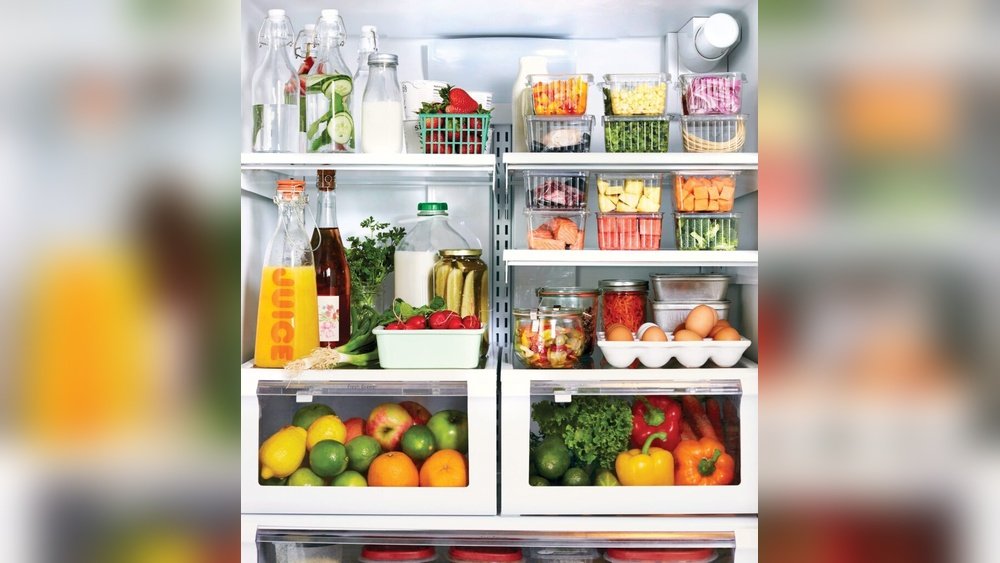
Are you tired of your fresh vegetables turning soft or spoiling too quickly in the fridge? Knowing how to store vegetables properly can save you money, reduce waste, and keep your meals tasty and healthy.
You’ll discover simple, practical tips that anyone can follow to make your veggies last longer. Keep reading to unlock the secrets that will transform your fridge into the perfect home for your vegetables. Your next fresh bite is just a few steps away!
Choosing The Right Vegetables
Choosing the right vegetables for your refrigerator is key to keeping them fresh longer. Not all vegetables last the same. Some stay crisp and tasty for days. Others lose flavor and texture quickly. Knowing which vegetables store well and which need quick use helps reduce waste. It also saves money and keeps your meals fresh.
Vegetables That Store Well
Carrots, celery, and bell peppers are good for long storage. They keep their crunch and flavor for weeks. Store them in the fridge’s vegetable drawer. Use perforated plastic bags to keep moisture balanced. Broccoli and cauliflower also stay fresh for several days. Wrap them loosely in damp paper towels for best results.
Vegetables That Need Immediate Use
Leafy greens like spinach and lettuce wilt fast. Use them within a few days of buying. Tomatoes lose taste and texture in the fridge. Store tomatoes at room temperature instead. Cucumbers and zucchini get soggy quickly. Eat these vegetables soon after purchase for best quality.
Preparing Vegetables For Storage
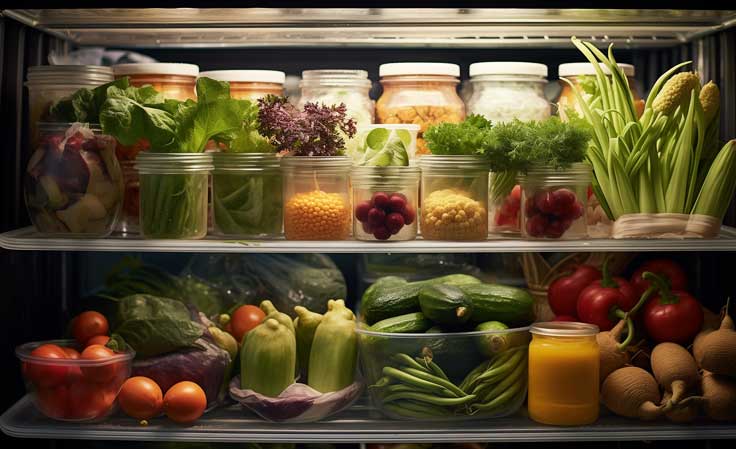
Preparing vegetables properly before storing them in the refrigerator helps keep them fresh longer. Clean vegetables reduce bacteria and dirt that cause spoilage. Proper preparation also helps maintain taste and texture.
Follow simple steps to get vegetables ready for storage. This process includes washing, drying, trimming, and cutting. These steps make sure your vegetables stay crisp and delicious.
Washing And Drying Techniques
Rinse vegetables under cold running water to remove dirt. Avoid soaking them too long to prevent nutrient loss. Use a soft brush for firm vegetables like carrots or potatoes. Leafy greens need gentle rinsing to keep leaves whole.
Dry vegetables thoroughly after washing. Use a clean kitchen towel or paper towels to remove water. Wet vegetables can spoil faster in the fridge. A salad spinner works well for leafy greens. Proper drying prevents mold and extends freshness.
Trimming And Cutting Tips
Trim off any damaged or wilted parts. Remove stems and roots unless the recipe requires them. Cut vegetables into sizes that fit your storage containers. Avoid cutting too small to reduce moisture loss.
Leave some vegetables whole if possible. Whole vegetables tend to last longer than cut pieces. Use airtight containers or plastic wrap to keep cut vegetables fresh. Proper trimming and cutting reduce waste and save space.
Optimal Refrigerator Settings
Setting your refrigerator properly helps keep vegetables fresh longer. The right temperature and humidity slow down spoilage and keep nutrients intact. Small changes in settings make a big difference in vegetable quality. Understanding these settings helps store vegetables the best way.
Ideal Temperature For Vegetables
Vegetables stay fresh best at temperatures between 32°F and 40°F (0°C to 4°C). Cooler temps slow bacteria growth. Avoid freezing vegetables by keeping the temperature just above freezing. Use a fridge thermometer for accuracy. Cold but not freezing is key.
Humidity Control And Its Importance
Vegetables need moisture to stay crisp. High humidity keeps leafy greens fresh and prevents wilting. Use crisper drawers with humidity controls. Set high humidity for leafy greens and low humidity for onions or garlic. Proper humidity stops vegetables from drying out or getting moldy.
Storage Methods For Different Vegetables
Storing vegetables properly keeps them fresh longer and reduces waste. Different vegetables need different care in the fridge. Knowing the right storage method helps keep texture and flavor.
Using Crisper Drawers
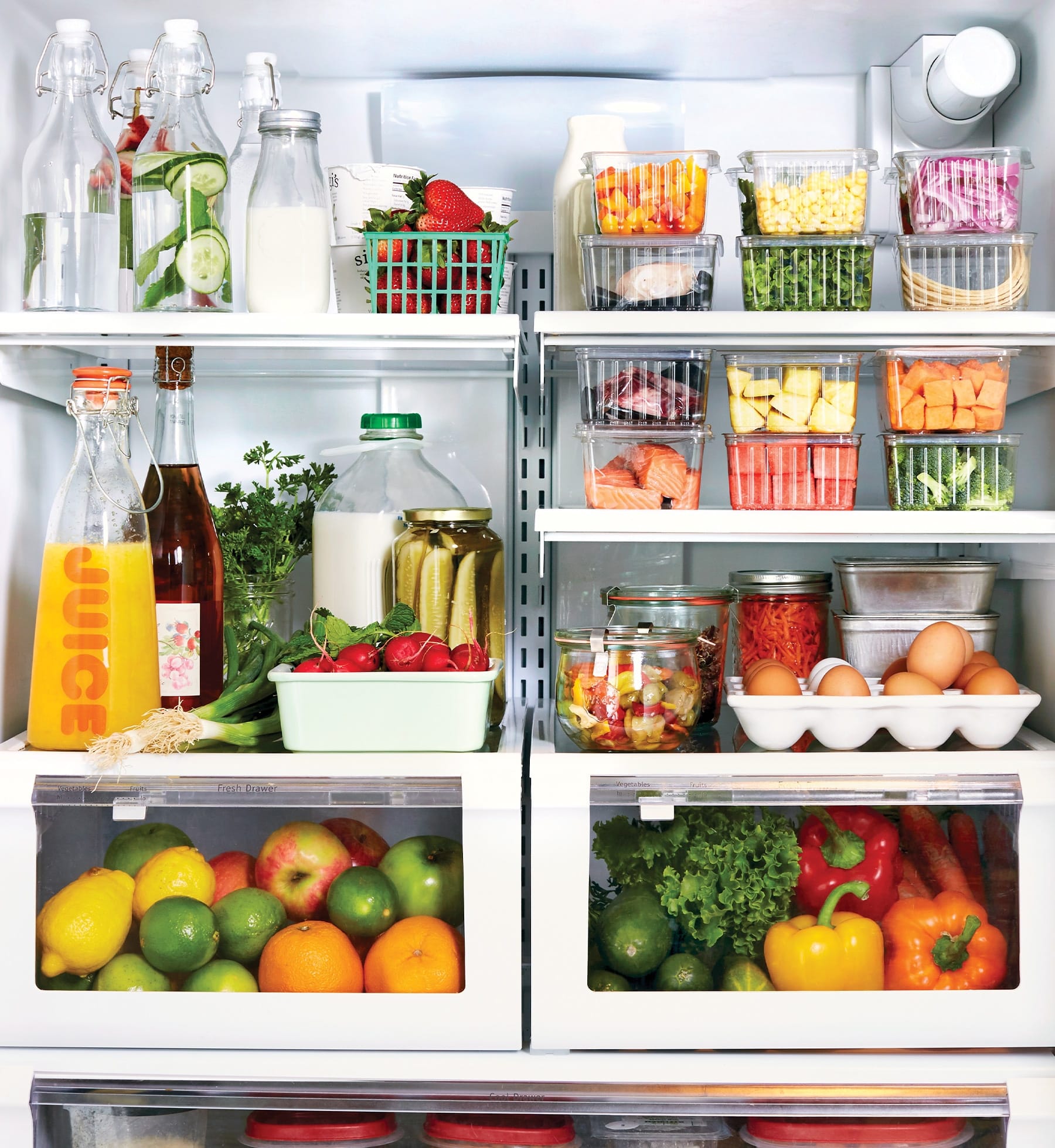
Crisper drawers control humidity for vegetables. Leafy greens like spinach and lettuce stay fresh here. Use the high humidity drawer for these. Root vegetables like carrots and potatoes prefer low humidity. Keep them in the other drawer. Separate fruits and vegetables to avoid faster spoilage.
Plastic Bags Vs. Containers
Plastic bags trap moisture and may cause rot. Use perforated bags to allow air flow. Containers keep vegetables organized and dry. Choose containers with vents for better air circulation. Store chopped vegetables in sealed containers for convenience. Avoid tightly sealed plastic bags for whole vegetables.
Wraps And Paper Towels
Wrap leafy vegetables in damp paper towels. This keeps them moist without getting soggy. Use breathable wraps like cloth or perforated plastic. Paper towels absorb excess moisture and stop mold. Wrap herbs gently to keep them fresh longer. Change paper towels if they become too wet.
Avoiding Common Storage Mistakes
Storing vegetables properly in the refrigerator keeps them fresh longer. Many people make simple mistakes that cause vegetables to spoil quickly. Avoiding these errors helps reduce waste and saves money. This section explains common storage mistakes and how to prevent them.
Mixing Fruits And Vegetables
Fruits and vegetables release gases that affect each other’s freshness. Some fruits produce ethylene gas, which speeds up vegetable ripening. This causes vegetables to rot faster. Keep fruits and vegetables in separate drawers or containers. This separation helps maintain freshness and extends shelf life.
Overcrowding The Refrigerator
Stuffing the fridge too full blocks air circulation around vegetables. Poor airflow causes uneven cooling and moisture buildup. These conditions lead to mold and quicker spoilage. Leave space between items for air to flow freely. Organize vegetables loosely to keep them fresh longer.
Signs Of Spoilage And When To Discard
Knowing when vegetables spoil is key to safe eating. Spoiled vegetables can cause stomach problems and food waste. Recognizing signs of spoilage helps keep your fridge fresh. It also saves money by avoiding bad food.
Vegetables change in look, smell, and texture as they go bad. These changes are clear warnings. Watch for them closely to decide when to throw food out.
Visual And Smell Indicators
Look for dark spots, mushy areas, or slimy surfaces on vegetables. These signs show decay. Wrinkled or shriveled leaves mean the vegetable is old.
Bad smell is another strong sign. A sour, musty, or rotten odor means spoilage. Fresh vegetables usually have a mild, clean smell.
Handling Mold And Rot
Mold appears as fuzzy patches in white, green, or black colors. Moldy vegetables should be discarded immediately. Some molds can spread toxins harmful to health.
Rot looks like soft, wet spots that may leak liquid. Rotten parts cannot be saved by cutting them off. Throw away the entire vegetable to avoid sickness.
Tips For Extending Vegetable Freshness
Keeping vegetables fresh in the refrigerator can be tricky. Proper storage helps keep their taste and nutrients longer. Small changes in how you store vegetables make a big difference.
Simple tips can extend freshness and reduce waste. These methods keep vegetables crisp and ready to eat. Try these easy steps to get the most from your veggies.
Regular Refrigerator Cleaning
Cleaning the fridge prevents bad odors and mold. Wipe shelves and drawers often with mild soap. Remove old or spoiled food quickly. Clean refrigerators keep vegetables fresh and safe to eat.
Using Freshness Preserving Tools
Use containers or bags designed to keep moisture balanced. Ventilated produce bags help air flow and reduce rot. Paper towels inside containers absorb extra moisture. These tools slow down spoilage and keep veggies crisp longer.
Frequently Asked Questions
How Long Can Vegetables Stay Fresh In A Refrigerator?
Most vegetables stay fresh for 1 to 2 weeks in the fridge. Leafy greens last about 3 to 7 days. Proper storage in airtight containers or crisper drawers extends freshness and prevents spoilage.
Should Vegetables Be Washed Before Refrigerating?
It’s best to wash vegetables just before use. Excess moisture from washing before storage can cause mold and rot. Instead, store unwashed vegetables in breathable bags or containers to keep them fresh longer.
What Is The Ideal Temperature For Storing Vegetables?
The ideal refrigerator temperature for vegetables is between 32°F and 40°F (0°C to 4°C). This range slows down spoilage and maintains crispness. Use the crisper drawer as it controls humidity, which is vital for vegetable freshness.
Can All Vegetables Be Stored Together In The Fridge?
No, some vegetables release ethylene gas, which speeds ripening. Store ethylene-sensitive veggies like leafy greens separately from ethylene producers like tomatoes and peppers to prevent premature spoilage.
Conclusion
Storing vegetables properly keeps them fresh longer. Use the right temperature and humidity in your fridge. Keep vegetables in separate bags or containers. Avoid washing them before storing to prevent mold. Check your veggies regularly for signs of spoilage. Simple steps help reduce food waste and save money.
Fresh vegetables taste better and keep you healthy. Small changes make a big difference in your kitchen. Try these tips and enjoy crisp, fresh veggies daily.

