
Choosing the ideal size for a counter-depth refrigerator can change the way your kitchen looks and feels. You want a fridge that fits perfectly—neither too big nor too small—so your space stays open and organized.
But how do you know what size works best for your needs and your kitchen layout? You’ll discover simple tips to find the perfect counter-depth refrigerator size that suits your lifestyle and keeps your kitchen stylish. Keep reading to make the smartest choice for your home.
Counter-depth Refrigerator Basics
Counter-depth refrigerators fit better with kitchen counters. They do not stick out as much as standard fridges. This design helps kitchens look neat and open. These refrigerators are popular in modern kitchens. They offer a balanced mix of style and function.
Choosing the right size is key. It affects how much food you can store. It also changes the fridge’s look and feel in your kitchen. Understanding the basics helps pick the ideal model.
What Makes It Different
Counter-depth refrigerators are shallower than regular models. They usually extend about 24 inches from the wall. Standard refrigerators are deeper, often 30 to 36 inches. This difference keeps the fridge flush with cabinets and counters.
These fridges have less interior space. The design focuses on saving room in the kitchen. They offer easy access to items without bending or reaching too far. This makes them practical for tight spaces.
Benefits Over Standard Models
Counter-depth refrigerators create a clean, streamlined look. They do not block walkways or kitchen traffic. The size helps small kitchens feel larger and less crowded.
They also improve kitchen flow. You can move easily between cooking and food storage. These fridges fit well with built-in styles and custom cabinets. They bring a modern and organized feel to the space.

Measuring Your Space
Measuring your space is the first step to choosing the right counter-depth refrigerator. Taking accurate measurements helps avoid buying a fridge that doesn’t fit well. This process ensures your new appliance blends smoothly into your kitchen. It saves time, money, and effort during installation.
Checking Kitchen Dimensions
Start by measuring the width, height, and depth of the space where the refrigerator will go. Use a tape measure for precision. Note any nearby cabinets, countertops, or walls that might limit space. Measure twice to avoid mistakes. Write down the numbers clearly for easy reference.
Allowing For Door Clearance
Refrigerator doors need space to open fully. Measure the distance from the edge of the fridge space to the nearest obstacle. Consider how the door swings and the space needed for handles. Leave extra room for smooth door movement. This step prevents damage and ensures easy access to the fridge.
Standard Counter-depth Sizes
Standard counter-depth refrigerators offer a sleek fit with kitchen cabinets. They save space without sacrificing much storage. These refrigerators keep your kitchen looking open and modern. Knowing their typical sizes helps in choosing the right model for your space.
Common Widths And Heights
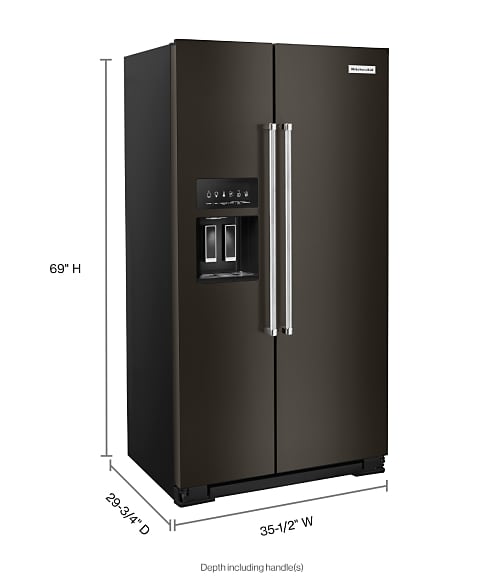
Most counter-depth refrigerators have widths between 30 and 36 inches. This range fits well in most kitchen layouts. Heights usually fall between 67 and 72 inches. These dimensions help the fridge align with standard cabinets and countertops.
Typical Depth Ranges
Depths of counter-depth refrigerators range from 24 to 30 inches. This depth excludes the door handles, which may stick out slightly. The design keeps the fridge surface nearly flush with kitchen counters. This feature enhances kitchen flow and makes movement easier.
Choosing The Right Capacity
Choosing the right capacity for a counter-depth refrigerator helps save space and fits your kitchen style. The right size depends on your daily needs and how many people share the fridge. Too small may cause frequent grocery runs. Too large wastes space and energy. Balance is key.
Family Size Considerations
The number of people in your home affects fridge size needs. Small families or couples may need 10 to 14 cubic feet. Larger families often require 18 to 25 cubic feet. Consider future changes like guests or growing children. Choosing a size that fits your family helps keep food fresh and organized.
Storage Needs Assessment
Think about what you store most. Fresh produce, drinks, or frozen meals? Bulk buyers need more freezer space. Cooking at home often means more fridge space. Space for leftovers matters too. Assess your habits before choosing capacity. This makes daily life easier and reduces food waste.
Design And Layout Impact
Design and layout play a big role in choosing the right size for a counter-depth refrigerator. This choice affects how well the fridge fits with your kitchen setup. It also impacts the overall look and feel of your space. Understanding these effects helps make a better decision.
The size of the refrigerator influences more than just storage. It changes how your kitchen feels and works. A good fit keeps the kitchen neat and easy to use.
Integration With Cabinets
Counter-depth refrigerators fit flush with cabinets. This alignment creates a smooth, built-in look. Cabinets and fridge edges line up perfectly. The kitchen looks less crowded and more organized.
Standard-depth fridges often stick out past cabinets. This can break the clean lines of your kitchen design. Counter-depth models avoid this by matching cabinet depth closely.
Influence On Kitchen Flow
Kitchen flow means how easy it is to move around while cooking. A fridge that fits well leaves more space for walking. Counter-depth fridges help keep pathways clear and open.
Large, bulky fridges can block areas and slow movement. Counter-depth sizes reduce this problem. They make cooking and cleaning more comfortable and efficient.

Energy Efficiency And Features
Choosing a counter-depth refrigerator means balancing size, style, and function. Energy efficiency plays a big role in this balance. A fridge that uses less power helps save money on bills. It also helps the environment. Modern features add convenience and improve food storage. They make daily use easier and smarter.
Energy Ratings To Look For
Check the Energy Star label first. It shows the fridge meets energy-saving standards. The lower the energy consumption, the better for your wallet. Look for refrigerators with efficient compressors. These use less electricity but keep food cold. LED lighting is a plus. It uses less power and lasts longer than regular bulbs.
Useful Modern Features
Temperature controls let you adjust settings easily. Some models have separate zones for meat and vegetables. This keeps food fresh longer. Door alarms alert you if the fridge is open too long. This stops cold air from escaping. Smart technology connects the fridge to your phone. You can check the temperature or get alerts remotely.
Installation Tips
Installing a counter-depth refrigerator requires careful planning. Proper installation ensures your fridge works well and lasts long. Pay attention to space, ventilation, and setup methods. Follow these tips to avoid common mistakes and enjoy your new appliance.
Handling Ventilation Needs
Counter-depth refrigerators need space to breathe. Leave at least one inch around the sides and top. This gap helps air flow and stops overheating. Avoid blocking vents inside or outside the fridge. Keep the area clean from dust and debris. Proper ventilation saves energy and improves fridge performance.
Professional Vs Diy Setup
Installing a fridge can be simple or tricky. Professionals know how to handle wiring and water connections safely. They ensure the fridge is level and fits well. DIY installation saves money but needs care and tools. Follow the manual carefully and check measurements twice. Choose what suits your skills and budget best.
Popular Brands And Models
Counter-depth refrigerators save kitchen space while offering enough storage. Many brands offer different sizes and features to match your needs. Choosing the right brand and model helps you get the best value and fit.
Top Rated Options
Some brands lead in quality and customer satisfaction. Samsung offers models with modern designs and smart features. LG refrigerators stand out for energy efficiency and durability. Whirlpool provides reliable options with practical storage layouts. GE Appliances includes models with advanced cooling systems. These brands often get high ratings for performance and style.
Price Ranges
Counter-depth refrigerators vary in price based on size and features. Budget models start around $1,000 to $1,500. Mid-range options range from $1,500 to $2,500 with better technology. Premium models can cost $2,500 or more and offer luxury finishes and smart controls. Prices depend on brand reputation and included features. Choose a price that fits your budget and needs.
Frequently Asked Questions
What Is The Standard Size For A Counter-depth Refrigerator?
The standard counter-depth refrigerator is usually 24 to 30 inches deep. It aligns with cabinetry for a seamless look. Heights typically range from 68 to 72 inches, and widths are between 30 to 36 inches. This size optimizes kitchen space and accessibility.
How Does Counter-depth Size Affect Kitchen Space?
Counter-depth refrigerators save space by aligning with counters. They prevent the fridge from sticking out, creating a streamlined kitchen look. This design improves traffic flow and makes small kitchens feel less crowded. However, they generally offer less storage than full-depth models.
What Width Is Ideal For A Counter-depth Refrigerator?
An ideal width for counter-depth refrigerators ranges from 30 to 36 inches. This size fits most standard kitchen openings and offers sufficient storage. Choosing the right width balances space efficiency with your household’s food storage needs.
Are Counter-depth Refrigerators Smaller Inside?
Yes, counter-depth refrigerators often have less interior space. Their shallower depth reduces storage volume compared to standard-depth models. However, they maximize usable space with smart shelving and compartments, making them efficient for everyday use.
Conclusion
Choosing the right size for a counter-depth refrigerator matters a lot. It fits neatly with your kitchen counters and saves space. A good size keeps your kitchen looking clean and organized. Think about how much food you store daily. Measure the space carefully before buying.
A well-sized fridge makes cooking and cleaning easier. Keep these points in mind to pick the best counter-depth refrigerator for your home.

