
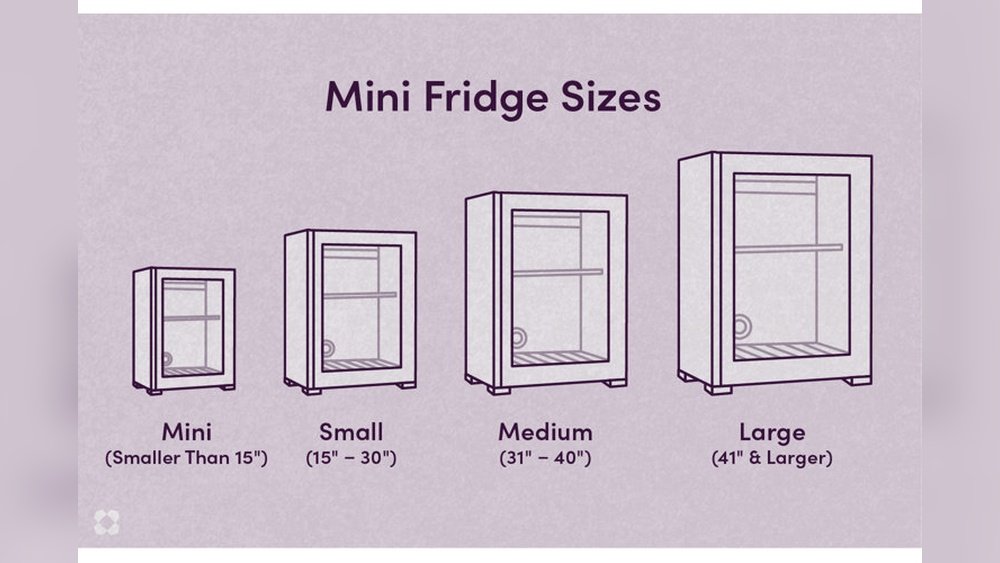
Are you thinking about getting a mini refrigerator but unsure what size fits your space and needs? Choosing the ideal size is more important than you might think.
The right mini fridge not only saves space but also keeps your food fresh and your drinks perfectly chilled without wasting energy or money. You’ll discover how to pick the perfect mini refrigerator size for your room, lifestyle, and budget.
Keep reading, and you’ll soon know exactly what to look for before making your purchase.
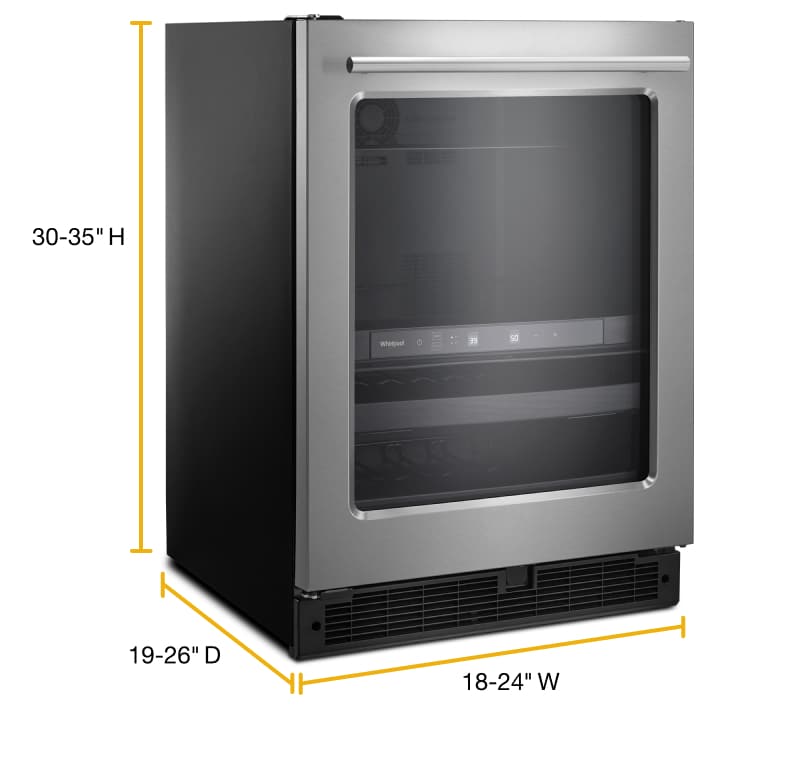
Mini Fridge Sizes
Mini fridge sizes vary to meet different needs and spaces. Choosing the right size helps save space and keeps items fresh. Small fridges fit tiny rooms. Larger ones offer more storage.
Understanding common dimensions and capacity helps pick the best mini fridge. Some models focus on compactness. Others balance size with storage.
Common Dimensions
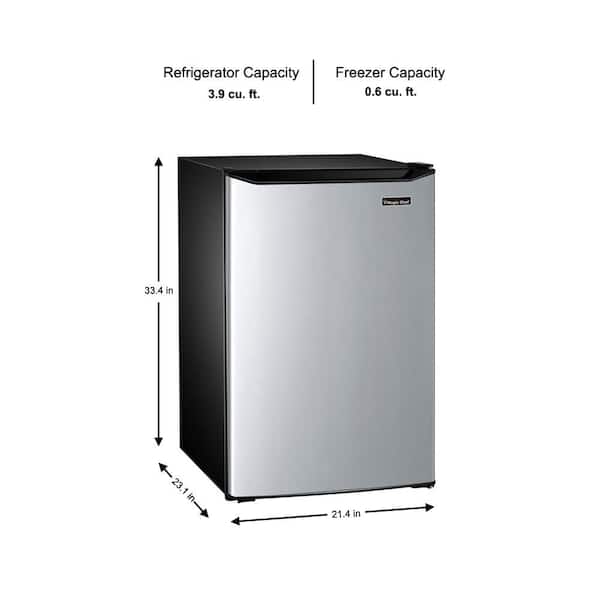
Mini fridges often measure between 18 to 24 inches wide. Heights range from 20 to 34 inches. Depths usually fall between 18 and 22 inches. These sizes fit under desks or in small corners. Some compact models are even smaller for tight spaces.
Capacity Options
Capacity is measured in cubic feet. Mini fridges start around 1.5 cubic feet. Medium sizes offer 3 to 4 cubic feet. Larger models can reach 5 cubic feet or more. Small capacity suits snacks and drinks. Bigger capacity stores full meals and more items.
Compact Vs Larger Models
Compact models save space and use less power. They work well in bedrooms or offices. Larger mini fridges hold more food and drinks. Ideal for dorm rooms or small apartments. The choice depends on space and storage needs.
Choosing Based On Space
Choosing the right mini refrigerator size depends a lot on the space you have. A fridge too big or too small can cause problems. Knowing how to measure and where to place it helps find the best fit. Good ventilation also keeps the fridge working well and lasting longer.
Measuring Available Area
Start by measuring the height, width, and depth of the space. Use a tape measure for accuracy. Write down the numbers to compare with fridge sizes. Leave extra room for opening the door fully. This prevents the fridge from being squeezed in tight spots.
Placement Considerations
Think about where you want the fridge in the room. It should be easy to reach and not block walkways. Avoid places near heat sources like ovens or direct sunlight. These can make the fridge work harder and waste energy.
Ventilation Needs
Mini fridges need space around them to breathe. Leave at least a few inches on all sides. This allows heat to escape and stops overheating. Check the fridge manual for exact ventilation space. Proper airflow keeps the fridge cool and efficient.
Usage And Storage Needs
Choosing the right mini refrigerator size depends on how you plan to use it and what you need to store. Your daily habits and storage needs shape the best fit for your space. This section breaks down key points to think about before buying.
Personal Vs Shared Use
A mini fridge for one person can be smaller. It holds snacks, drinks, and small meals. Shared use requires a bigger fridge. It must fit more items for several people. Size depends on the number of users.
Types Of Items Stored
Think about what you store most. Drinks and small snacks need less space. Fresh fruits, vegetables, or leftovers need more room. Some items need special compartments. This affects the ideal size of your mini fridge.
Frequency Of Access
How often you open the fridge matters. If you grab items frequently, pick a size with easy access. A compact fridge with good organization helps. Rarely used items can be stored in a smaller space.
Energy Efficiency Factors
Energy efficiency matters a lot when choosing the ideal size for a mini refrigerator. Smaller models usually use less power, but the design and features also affect energy use. Understanding how size impacts energy consumption helps pick the best fridge for savings and the environment.
Knowing these energy factors can lower your electricity bills. It also reduces your home’s carbon footprint. Here are key points to consider.
Power Consumption By Size
Mini refrigerators come in many sizes. Larger fridges need more power to keep cool. Small fridges use less energy because they have less space to cool. But very small fridges might work harder to maintain temperature. Choose a size that fits your needs without wasting energy.
Energy Star Ratings
Look for fridges with Energy Star labels. These models meet strict energy-saving standards. They use less electricity than regular models. Energy Star fridges can save money over time. This label helps find efficient mini refrigerators easily.
Cost Impact
Energy-efficient fridges cost less to run every month. Even if they cost more upfront, savings add up. A fridge that uses more power means higher electricity bills. Picking the right size and rating lowers long-term costs. Think about energy use, not just price tag.
Popular Mini Fridge Styles
Mini refrigerators come in several styles to fit different needs and spaces. Each style has unique features and sizes. Choosing the right style helps save space and match your room’s look.
Retro Designs
Retro mini fridges bring a vintage look to any room. They often have bright colors and rounded edges. These fridges are popular in dorms and small apartments. They are compact but stylish, perfect for those who want charm with function.
Modern Compact Models
Modern compact mini fridges focus on sleek design and efficiency. They usually have smooth finishes and simple lines. These models fit well in offices and bedrooms. They offer good cooling with a small footprint, saving space without losing style.
Built-in Options
Built-in mini refrigerators fit into cabinets or counters. They blend seamlessly with kitchen or bar areas. These models are ideal for small kitchens or entertainment rooms. Built-in fridges keep the space neat and organized while providing easy access to drinks and snacks.
Maintenance And Longevity
Maintaining a mini refrigerator properly helps it last longer and work better. Small daily care keeps the fridge clean and stops bad smells. It also prevents damage that can shorten the fridge’s life. Choosing the right size affects how easy the fridge is to maintain and how strong it will be over time.
Cleaning Tips
Clean the mini fridge every few weeks. Remove all food and unplug the appliance first. Use a soft cloth and mild soap to wipe inside. Avoid harsh cleaners that can damage surfaces. Clean the door seals gently to keep them tight. Dry all parts well before plugging the fridge back in.
Durability By Size
Smaller mini refrigerators usually have fewer parts and can be more durable. Larger models may have more features but need more care. Choose a size that fits your space and use. A compact fridge in a small area stays cooler and works less. This helps it last longer and use less energy.
Warranty And Support
Check the warranty length before buying a mini fridge. A good warranty shows the maker trusts their product. Look for brands that offer clear support and easy repairs. Keep your receipt and register the fridge to use the warranty. Good support helps fix problems fast and keeps your fridge running longer.
Budget Considerations
Budget plays a big role in choosing the right mini refrigerator. It is important to find a size that fits your needs and your wallet. Spending wisely means balancing cost with the features you want. This section helps you understand how price changes with size and what offers the best value for your money.
Price Range By Size
Mini refrigerators come in many sizes, each with a different price range. Small models, usually under 2 cubic feet, are the cheapest. They are perfect for light use and tight spaces. Medium sizes, from 2 to 4 cubic feet, cost more. These fit more items and suit daily use better. Large mini fridges, over 4 cubic feet, are the most expensive. They offer the most storage but take more space and power.
Long-term Value
Buying a mini fridge is not just about the price tag. Consider energy use and durability too. A cheaper model might cost more in electricity bills. Look for energy-efficient options to save money over time. Quality matters. A well-built fridge lasts longer and needs fewer repairs. Spending a bit more now often saves money later.
Additional Features
Extra features can raise the price but add convenience. Some mini fridges have built-in freezers, adjustable shelves, or quiet operation. Others include reversible doors or compact ice makers. Think about which features you truly need. Choose those that improve your experience without overspending. Features should match your daily habits and space.

Frequently Asked Questions
What Is The Ideal Mini Refrigerator Size For A Dorm Room?
The ideal mini refrigerator for a dorm room is 3 to 4. 5 cubic feet. This size balances storage capacity with limited space. It fits small rooms without overwhelming the area and holds essentials like snacks, drinks, and small meals.
How To Choose Mini Fridge Size For Office Use?
For office use, a mini fridge between 1. 7 to 4. 5 cubic feet is ideal. It stores lunch, drinks, and small snacks efficiently. Consider available space, storage needs, and energy efficiency when selecting the size.
What Capacity Mini Refrigerator Suits Small Apartments Best?
Small apartments benefit from mini refrigerators sized 4 to 5 cubic feet. This size offers enough storage for daily essentials without taking too much space. It’s perfect for singles or couples with limited kitchen area.
Does Mini Fridge Size Affect Energy Consumption?
Yes, larger mini fridges generally consume more energy. Choosing the right size ensures efficient power use. Smaller models save electricity but might lack sufficient storage. Balance your needs to optimize both space and energy use.
Conclusion
Choosing the right mini refrigerator size depends on your needs and space. Think about what you want to store and where you will place it. A small fridge can fit tight spots but holds less food. A bigger one offers more room but takes more space.
Balance size with your daily use and available area. This helps keep your food fresh without wasting power or space. Pick a size that fits your lifestyle and makes your life easier. Simple and smart choices bring the best results.

