
Choosing the ideal size for a side-by-side refrigerator can change the way you use your kitchen. You want a fridge that fits perfectly in your space, holds everything you need, and makes your life easier.
But how do you know which size is right for you? This guide will help you find the perfect balance between space, storage, and style. Keep reading to discover the key factors that will help you pick a side-by-side refrigerator that feels just right for your home and lifestyle.
Benefits Of Side-by-side Refrigerators
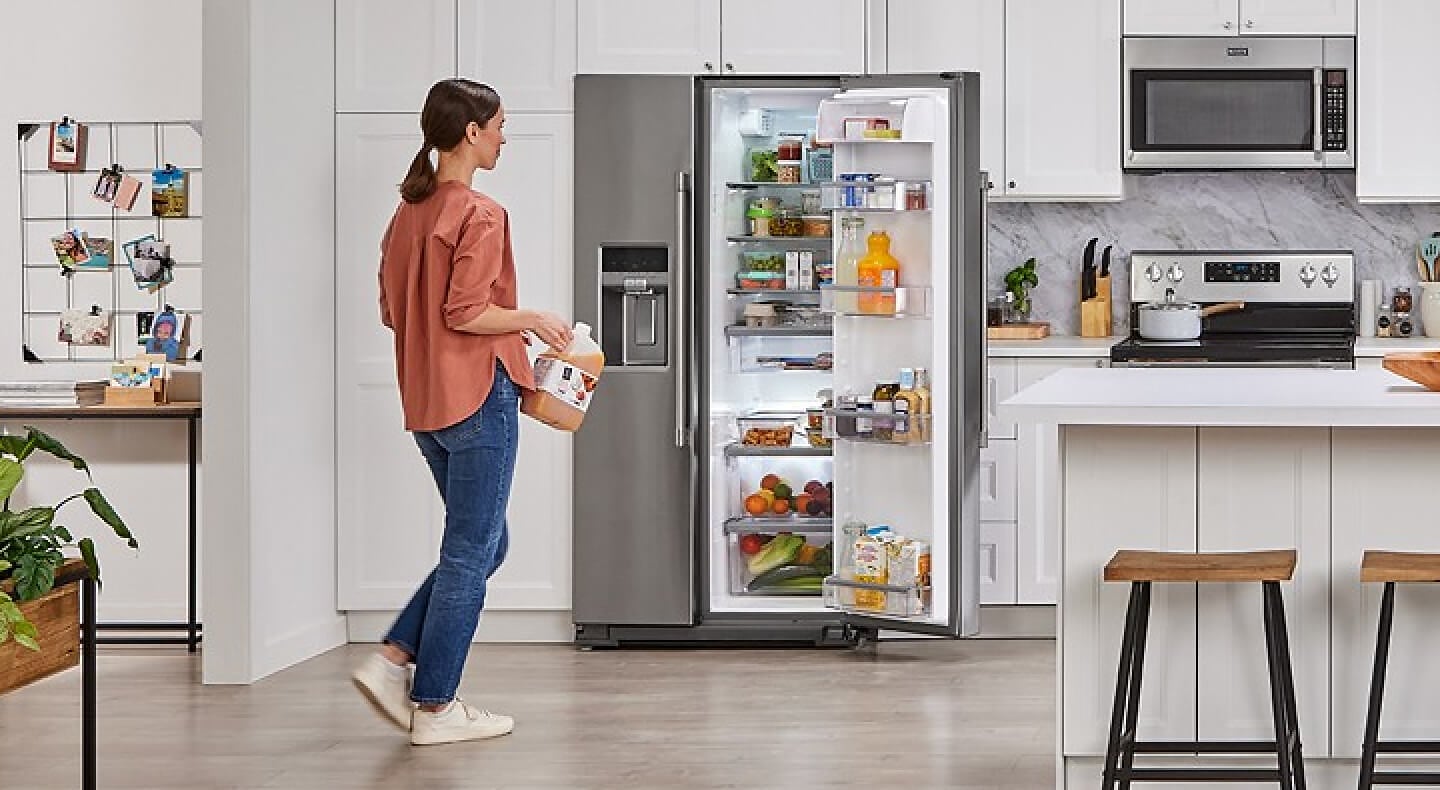
Side-by-side refrigerators offer many advantages for modern kitchens. Their design places the freezer and refrigerator compartments next to each other. This setup creates easy access to both fresh and frozen foods without bending or stretching.
These refrigerators fit well in narrow spaces. They have tall, slim doors that open without needing extra room. This makes them ideal for tight kitchens or areas where space is limited.
Easy Organization
Side-by-side refrigerators help keep food organized. Shelves and door bins are designed to store items neatly. You can separate fruits, vegetables, drinks, and frozen goods easily. This saves time and reduces food waste.
Quick Access to Items
Both compartments sit at eye level. No need to bend down to find snacks or frozen meals. This saves effort and makes grabbing items fast and simple.
These refrigerators often use less energy than older models. Their design allows cold air to circulate evenly. This keeps food fresh longer and lowers electricity bills.
Modern Features
Many side-by-side models come with extra features. Water and ice dispensers are common. Some include temperature control zones and smart technology. These add convenience and improve the user experience.
Common Dimensions And Capacity
Side-by-side refrigerators come in various sizes to fit different kitchens. Understanding their common dimensions and capacity helps you pick the right model. Size affects how much food you can store and how well the fridge fits your space.
Width And Height Ranges
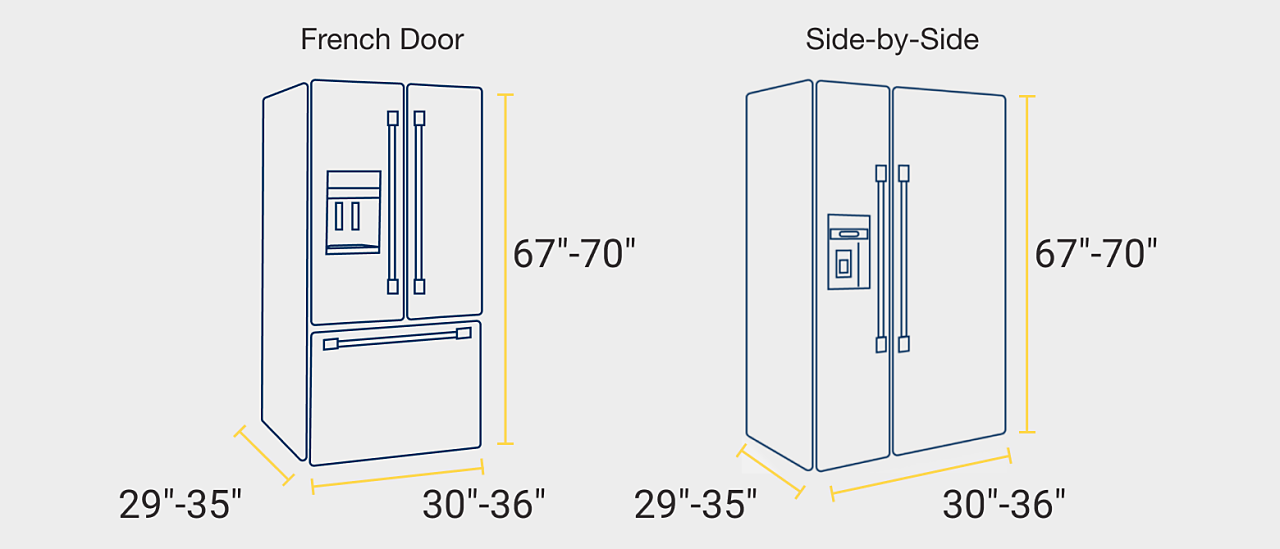
Most side-by-side refrigerators have a width between 30 and 36 inches. This size fits well in standard kitchen spaces. The height usually ranges from 65 to 70 inches. Some models are taller or shorter to match kitchen cabinets or ceiling height. Depth often falls between 28 and 34 inches, allowing enough room for doors to open fully.
Storage Capacity In Cubic Feet
Storage capacity measures how much space is inside the fridge and freezer combined. Side-by-side models typically offer 20 to 28 cubic feet of storage. Smaller models near 20 cubic feet suit small families or apartments. Larger models with 25 to 28 cubic feet work well for bigger families or those who store many groceries. Choose capacity based on how much food you store regularly.
Measuring Your Kitchen Space
Measuring your kitchen space is the first step to choosing the right side-by-side refrigerator. Accurate measurements help avoid buying a fridge that does not fit well. Take your time to measure width, depth, and height carefully. Consider all elements around the fridge area. This ensures a perfect fit and smooth installation.
Available Width And Depth
Start by measuring the width of the space where the fridge will go. Use a tape measure to get the exact distance between walls or cabinets. Note any obstacles like pipes or counters that reduce space. Next, measure the depth from the wall to the front edge of cabinets or counters. Remember, the fridge should not stick out too much from counters. Record these numbers to compare with fridge sizes.
Clearance For Doors And Ventilation
Doors need room to open fully and easily. Leave extra space on the sides and front for door clearance. This avoids hitting walls or cabinets when opening. Ventilation is also important. Most side-by-side refrigerators need space at the back and top for air flow. Check the manufacturer’s recommendations for clearance. Good ventilation helps the fridge work well and last longer.
Matching Size To Household Needs
Choosing the right size for a side-by-side refrigerator depends on your household needs. Size affects storage space and energy use. Picking the perfect fit helps keep food fresh and organized. It also saves room in your kitchen.
Small Families And Couples
Small families and couples need less fridge space. A refrigerator with 18 to 22 cubic feet is enough. It stores daily groceries and leftovers easily. This size saves energy and fits small kitchens well.
Medium To Large Families
Medium to large families require more storage space. Refrigerators between 23 and 28 cubic feet work best. They hold more fruits, vegetables, and drinks. This size helps keep meals and snacks fresh for everyone.
Frequent Entertainers
Entertainers need extra space for parties and guests. A fridge larger than 28 cubic feet is ideal. It can store large platters, drinks, and desserts. This size supports social gatherings and keeps food chilled.
Energy Efficiency Considerations
Energy efficiency is a key factor when choosing the ideal size for a side-by-side refrigerator. A well-sized fridge uses less power, saving money and helping the environment. Small changes in size can affect how much electricity the fridge uses daily.
Choosing the right size avoids wasting energy on cooling empty space. Larger fridges consume more power, even if not fully used. A fridge that fits your household needs runs more efficiently and lasts longer.
Understanding Energy Star Ratings
Energy Star ratings show how energy-efficient a refrigerator is. Higher ratings mean less electricity use. Side-by-side refrigerators with good ratings help reduce monthly energy bills. Always check the Energy Star label before buying.
Impact Of Refrigerator Size On Energy Use
Bigger refrigerators need more energy to keep cool. A large fridge can waste power if space is not fully used. Smaller models use less energy but may lack enough storage. Balance size and storage needs carefully.
Choosing The Right Capacity
Calculate your household’s food storage needs first. A family of four needs a bigger fridge than a single person. Match fridge size to your typical grocery shopping habits. Avoid buying extra-large models if not necessary.
Temperature Settings And Energy Savings
Proper temperature settings improve energy efficiency. Keep the fridge between 35°F and 38°F for best results. Freezer should stay at 0°F. Correct settings reduce energy use and keep food fresh longer.
Additional Features Affecting Size
Additional features in side-by-side refrigerators can change their size. These features add convenience but also require more space. Understanding these features helps you pick the right size for your kitchen.
Ice And Water Dispensers
Ice and water dispensers take up room on the door. They need extra space inside for water tanks and ice makers. This can make the fridge deeper or wider. The dispenser adds weight, so the door might be larger and sturdier. These parts may reduce the storage space inside.
Adjustable Shelving And Drawers
Adjustable shelves and drawers add flexibility. They allow you to change the layout for different items. These parts can make the fridge taller or wider. Drawers for fruits and vegetables often need extra depth. Shelves that slide out require more space inside the fridge. This means the overall size might increase to fit these features.
Tips For Measuring And Selecting
Choosing the right size for a side-by-side refrigerator starts with careful measuring and thoughtful selection. This step helps avoid space problems and ensures the fridge fits well in your kitchen. Small errors in measurement can lead to big hassles later on.
Follow these simple tips to measure your space and select a refrigerator that matches your needs and kitchen layout.
Measure The Height, Width, And Depth
Use a tape measure to find the exact height of your kitchen space. Check the width and depth too. Measure from the floor to the ceiling and wall to wall. This helps pick a fridge that fits without blocking doors or cabinets.
Allow Extra Space For Door Opening
Side-by-side refrigerators need room to open fully. Add at least 2 to 3 inches to the width for door clearance. Check if doors can swing wide without hitting walls or counters. Don’t forget space for the fridge doors to open easily.
Consider Ventilation Needs
Refrigerators need air circulation to work well. Leave extra space at the back and sides for ventilation. Usually, 1 inch on the sides and 2 inches behind the fridge is enough. This keeps the fridge cool and saves energy.
Check For Obstacles And Floor Level
Look for obstacles like cabinets, light switches, or vents near the fridge space. These can block installation or door opening. Also, check if the floor is level. A flat surface helps the fridge work better and last longer.
Think About Your Storage Needs
Estimate how much food you store. Large families need bigger fridges. Singles or couples may choose smaller models. Choose a size that fits your lifestyle without wasting space or energy.
Popular Brands And Size Options
Side-by-side refrigerators come in many sizes and styles. Popular brands offer various options to fit different kitchen spaces and family needs. Choosing the right size means balancing capacity with available space.
Each brand has unique features and size ranges. Some focus on compact models for small kitchens. Others provide large units with extra storage and advanced technology. Understanding these options helps find the best fit.
Samsung Side-by-side Refrigerator Sizes
Samsung offers models from 20 to 28 cubic feet. Most popular sizes range between 22 and 26 cubic feet. These refrigerators combine sleek design with good storage space. Samsung units often include flexible shelves and door bins.
Lg Side-by-side Refrigerator Sizes
LG side-by-side refrigerators come in sizes from 21 to 28 cubic feet. The 23 to 25 cubic feet models are common. LG focuses on energy efficiency and smart features. Their refrigerators often have roomy freezer compartments.
Whirlpool Side-by-side Refrigerator Sizes
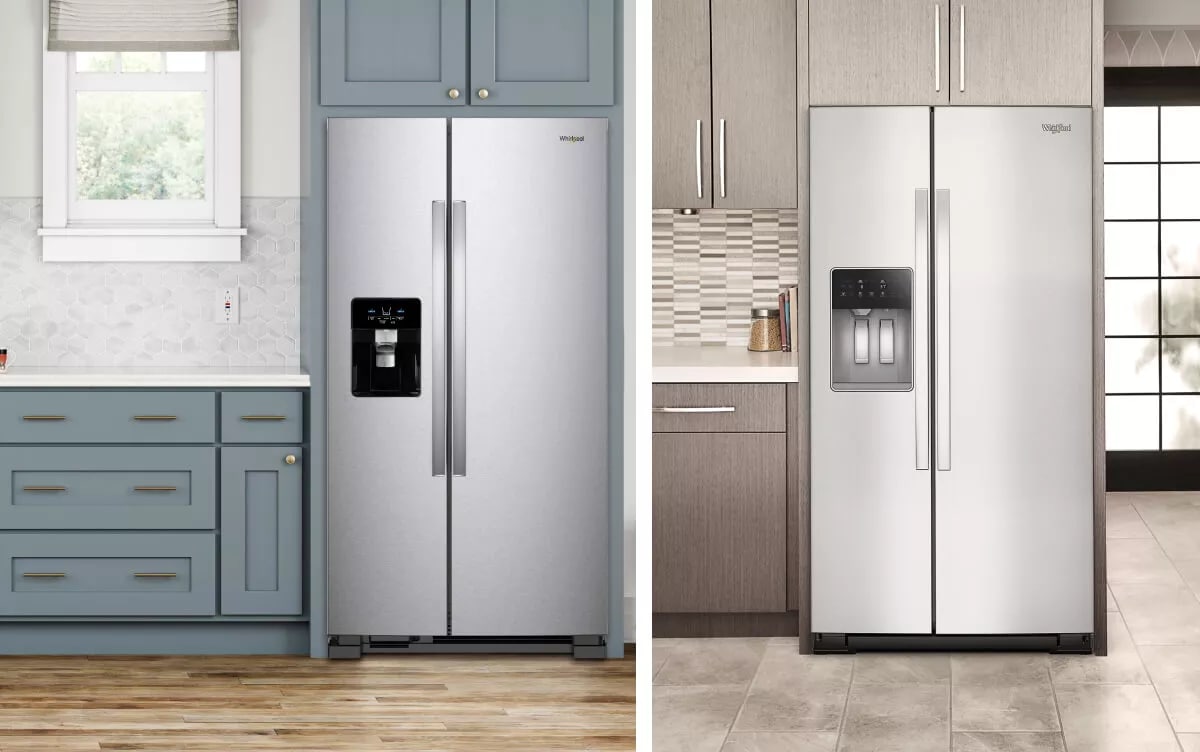
Whirlpool offers side-by-side models from 22 to 28 cubic feet. Most models fall between 24 and 27 cubic feet. Whirlpool refrigerators emphasize durability and easy organization. Their designs suit medium to large kitchens well.
Ge Side-by-side Refrigerator Sizes
GE side-by-side refrigerators range from 20 to 28 cubic feet. Popular sizes include 22 to 25 cubic feet. GE models focus on reliability and simple controls. They offer adjustable shelves for flexible storage.
Frigidaire Side-by-side Refrigerator Sizes
Frigidaire provides side-by-side refrigerators from 20 to 26 cubic feet. Many models measure around 22 to 24 cubic feet. These refrigerators are budget-friendly and practical. Frigidaire units often come with spacious freezer sections.
Frequently Asked Questions
What Is The Ideal Capacity For A Side-by-side Refrigerator?
The ideal capacity ranges between 20 to 28 cubic feet. It suits most families and offers ample storage without taking excessive space.
How To Choose The Right Size For My Kitchen?
Measure your kitchen space precisely. Leave at least 2 inches of clearance on sides for ventilation and door opening.
Does Size Affect Energy Efficiency In Side-by-side Refrigerators?
Yes, larger models consume more energy. Choose a size that meets your storage needs to optimize efficiency and reduce bills.
Can A Side-by-side Refrigerator Fit In Small Kitchens?
Yes, smaller models around 20 cubic feet work well in compact kitchens without compromising essential storage space.
Conclusion
Choosing the right size for a side-by-side refrigerator matters a lot. It saves space and fits your kitchen style. A proper size keeps food fresh and easy to reach. Think about your family size and how much food you store.
Measure your kitchen area before buying. This helps avoid tight spots or too much empty space. Picking the right size makes daily life simpler and more organized. Keep these tips in mind for a smart choice. Your kitchen will look neat and work better.

