
When it comes to keeping your food fresh for a long time, choosing the right deep freezer is key. You might be wondering whether an upright or chest freezer fits your needs better.
Both have their strengths, but understanding these differences can save you time, space, and money. You’ll discover exactly how each type works, which one suits your lifestyle, and what to consider before making your choice. By the end, you’ll feel confident picking the perfect deep freezer for your home.
Keep reading to find out which option is best for you!
Deep Freezer Basics
Deep freezers help keep food frozen for a long time. They come in two main types: upright and chest. Each type has its own way of working and special features. Understanding these basics helps you choose the right freezer for your needs.
Both types save space and energy but in different ways. Knowing how they work and what features to check makes shopping easier. Let’s explore the basics of deep freezers.
How Deep Freezers Work
Deep freezers use a cooling system to lower the temperature inside. This system removes heat and keeps the inside very cold. It stops bacteria from growing and keeps food fresh longer.
The freezer keeps a steady temperature, usually below 0°F (-18°C). This cold temperature freezes food solid. The freezer also has insulation to keep cold air inside.
Key Features To Consider
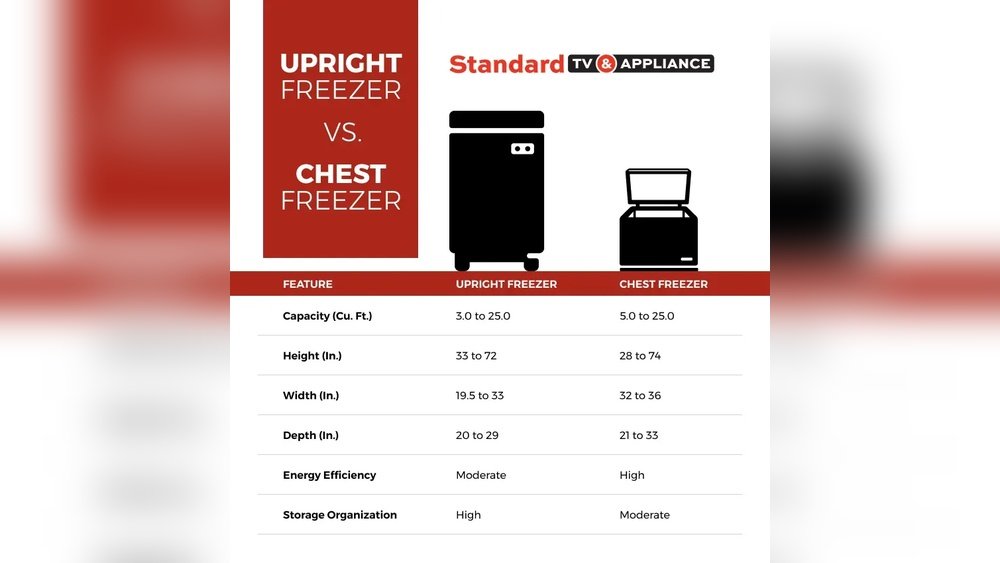
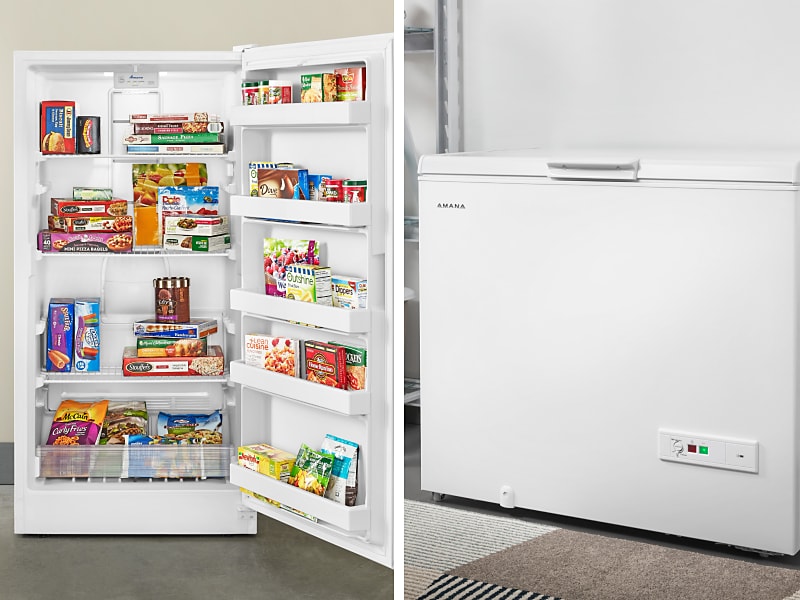
Look at size first. Choose a freezer that fits your space and food needs. Upright freezers are tall and narrow. Chest freezers are wide and deep.
Energy efficiency matters. Check the energy rating to save on electricity bills. Some freezers also have alarms for open doors or power loss.
Storage options differ. Upright freezers have shelves and baskets. Chest freezers use bins or just open space. Think about how you want to organize your food.

Upright Freezers
Upright freezers are a popular choice for many homes. They stand tall like a regular fridge. These freezers offer easy access to your frozen items. Their design fits well in kitchens and small spaces. Many people like how they organize food inside. Upright freezers come with shelves and compartments. This helps keep food neat and easy to find.
Design And Space Efficiency
Upright freezers have a slim, vertical design. They take up less floor space than chest freezers. This makes them good for narrow rooms or tight spots. Doors open like a fridge, saving extra room. Shelves and baskets inside help use space well. You can see everything without digging deep inside.
Accessibility And Organization
Food is easy to reach in upright freezers. Shelves keep items visible and sorted. You do not need to stack food on top of each other. Many models have clear drawers for smaller items. This reduces the time spent searching for food. Upright freezers make keeping food organized simple.
Energy Consumption
Upright freezers use more energy than chest freezers. The vertical door lets cold air escape easily. This means the freezer works harder to stay cold. Modern upright freezers have better insulation. Look for models with good energy ratings to save power. Proper sealing also helps keep energy use low.
Common Sizes And Capacities
Upright freezers come in many sizes. Small models start at about 5 cubic feet. Larger ones can go up to 20 cubic feet. Choose size based on your storage needs and space. Most homes find 10 to 15 cubic feet enough. Check the inside layout to match your food storage style.
Chest Freezers
Chest freezers offer a practical solution for storing large amounts of food. They open from the top and provide deep, wide space inside. This design helps keep food frozen longer and is ideal for bulk storage.
Design And Storage Capacity
Chest freezers have a boxy shape with a lid on top. This shape gives them more usable space inside. You can store big items or many smaller packages. Shelves or baskets are often included for better organization.
Temperature Consistency
Chest freezers keep a steady temperature well. Cold air stays low, so food stays frozen even during power outages. The thick insulation helps keep cold air inside. This consistency protects food quality over time.
Energy Efficiency
Chest freezers use less energy than upright models. Their design minimizes cold air loss when you open the lid. This efficiency saves money on electricity bills. They are a good choice for long-term storage.
Common Sizes And Capacities
Chest freezers come in many sizes. Small models hold about 5 cubic feet. Larger ones can store over 20 cubic feet. You can find a size to fit your space and needs easily.
Comparing Upright And Chest Freezers
Choosing between an upright and a chest freezer depends on several factors. Both types have unique features that suit different needs and spaces. Understanding these differences can help you pick the right freezer for your home or business.
Space And Placement
Upright freezers stand tall and take up less floor space. They fit well in narrow areas like kitchens or garages. Chest freezers are wide and need more floor space. They work best in basements or large storage rooms. Chest freezers keep cold air inside better when opened. Upright freezers may lose more cold air due to their vertical doors.
Ease Of Use
Upright freezers have shelves and compartments. This design makes organizing and finding food easier. Chest freezers open from the top. You need to bend down to reach items at the bottom. Chest freezers offer more space for bulky items. Upright freezers allow quick access to smaller packages and frozen goods.
Cost Considerations
Chest freezers usually cost less to buy than upright models. They also use less energy over time. Upright freezers are often pricier but have better organization features. Energy use depends on size and insulation quality for both types. Choose based on your budget and how often you will use the freezer.
Maintenance And Durability
Chest freezers are simple and have fewer parts that can break. They often last longer with minimal repairs. Upright freezers have more complex parts like door seals and shelves. These parts may need more frequent maintenance. Cleaning chest freezers can be harder due to their shape. Upright freezers are easier to clean thanks to their vertical design.
Choosing The Right Freezer
Choosing the right deep freezer is important for keeping your food fresh and saving space. The decision depends on several factors like how much storage you need, your budget, and how often you use the freezer. Understanding these points helps you pick a freezer that fits your home and lifestyle.
Assessing Your Storage Needs
Think about the amount of food you store. Chest freezers offer more space for bulk items. Upright freezers have shelves and compartments for easy access. Choose a type based on what you freeze most. Large families may prefer chest freezers. Small households might find upright models more convenient.
Budget And Energy Costs
Chest freezers often cost less upfront and use less energy. Upright freezers might be pricier but save space. Check energy ratings before buying. Energy-efficient models reduce electricity bills. Consider how long you plan to use the freezer. This helps balance initial cost and running expenses.
Lifestyle And Usage Patterns
How often do you open the freezer? Upright freezers are better for frequent access. Chest freezers keep cold air in better but need more effort to organize. Think about your kitchen space and layout. Also, consider whether you need a freezer for seasonal use or daily storage.
Additional Features To Look For
Choosing the right deep freezer means thinking beyond size and style. Extra features can make a big difference in how you use and maintain your freezer. These features help keep your food safe and make daily use easier. Understanding these options can help you pick the best freezer for your needs.
Temperature Controls
Look for easy-to-use temperature controls. Some freezers have digital panels for precise settings. Others use simple dials to adjust coldness. Precise control helps keep your food fresh longer. It also saves energy by avoiding extreme cooling.
Defrost Options
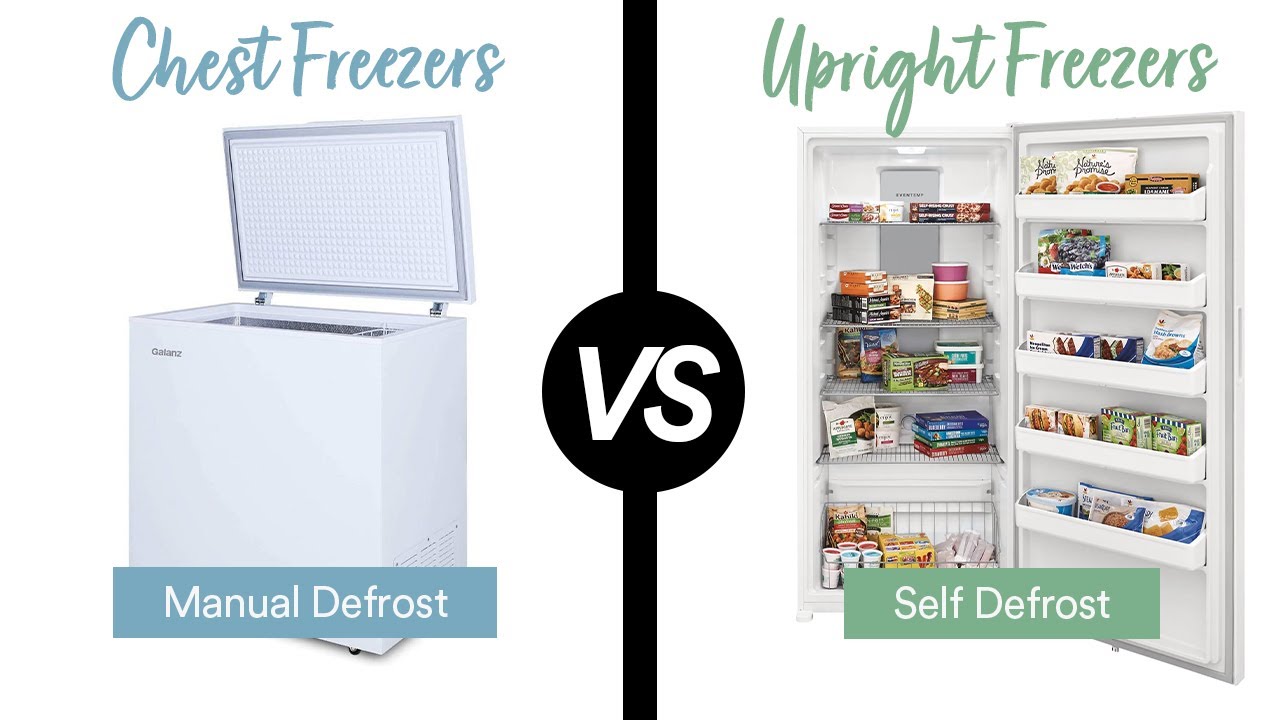
Freezers need defrosting to avoid ice build-up. Manual defrost requires you to turn off the freezer and remove ice by hand. Automatic defrost models reduce this work. They keep the freezer frost-free without your help. Choose based on how much time you want to spend on maintenance.
Safety And Security Features
Safety features protect your food and household. A lock can stop children from opening the freezer. Alarms alert you if the door stays open too long. Some models have power-failure alarms to protect frozen goods during outages. These features add peace of mind.
Frequently Asked Questions
What Are The Main Differences Between Upright And Chest Freezers?
Upright freezers stand vertically with shelves, saving floor space and offering easy access. Chest freezers lie horizontally, providing more storage and better energy efficiency but require more floor space.
Which Freezer Type Is More Energy-efficient, Upright Or Chest?
Chest freezers are generally more energy-efficient. Their design limits cold air loss during opening, reducing energy consumption compared to upright freezers, which lose more cold air when doors open.
How Do Storage Capacities Compare In Upright And Chest Freezers?
Chest freezers typically offer more usable storage space due to their wide, open design. Upright freezers have shelves but less overall capacity, making them suitable for organized storage in smaller spaces.
Are Upright Freezers Easier To Organize Than Chest Freezers?
Yes, upright freezers have shelves and compartments that help organize items better. Chest freezers require bins or manual sorting, which may be less convenient but maximize space.
Conclusion
Choosing between upright and chest freezers depends on your space and needs. Upright freezers save floor space and offer easy access. Chest freezers use less energy and keep food frozen longer. Both types store food well and help reduce waste.
Think about how often you open the freezer. Also, consider the size and where you will place it. Either choice can work if it fits your lifestyle. A good freezer keeps food fresh and saves money. Simple and smart choices make a big difference.

