
Are you tired of high electricity bills and want to make smarter choices for your home? Understanding what an energy-efficient refrigerator is can save you money and help the environment.
Imagine having a fridge that keeps your food fresh while using less power—sounds great, right? You’ll discover exactly how these refrigerators work and why choosing one could be the best decision for your kitchen and wallet. Keep reading to find out how you can make your home more energy-smart without sacrificing convenience.
Energy-efficient Refrigerator Basics
An energy-efficient refrigerator uses less electricity to keep food fresh. It saves money on utility bills and helps the environment. These refrigerators use smart designs and technology to reduce energy use without losing cooling power.
Understanding the basics helps in choosing the right model. Knowing what features matter and how efficiency is checked makes the process easier. This section explains key points about energy-efficient refrigerators.
Key Features To Look For
Look for models with the ENERGY STAR label. This label shows the appliance meets energy-saving standards. Choose refrigerators with good insulation to keep cold air in. LED lighting uses less power than traditional bulbs. Adjustable thermostats help control the temperature precisely. Frost-free models prevent ice build-up, improving efficiency. Some models have smart sensors to adjust cooling based on usage.
How Efficiency Is Measured
Efficiency is measured by how much energy the fridge uses yearly. This is shown in kilowatt-hours (kWh). Lower kWh means less energy used. The EnergyGuide label on appliances shows estimated yearly energy use. It also compares similar models. Checking this label helps find the most efficient option. The compressor type also affects efficiency. Inverter compressors use energy more smoothly and save power.

Benefits Of Energy-efficient Refrigerators
Energy-efficient refrigerators bring many benefits. They save money, help the environment, and last longer. Choosing one means less electricity use and fewer costs. It also means a smaller carbon footprint. These advantages make energy-efficient fridges a smart choice for any home.
Lower Electricity Bills
Energy-efficient refrigerators use less power than regular models. This reduces your monthly electricity bills. Over time, the savings add up. You pay less for keeping food cold and fresh. This means more money stays in your pocket.
Environmental Impact
Using less electricity helps reduce pollution. Energy-efficient fridges lower greenhouse gas emissions. This protects the air we breathe and the planet we live on. Choosing these appliances supports a cleaner, healthier environment for all.
Long-term Savings
These refrigerators last longer and need less repair. They use advanced technology to work smarter. Fewer repairs mean fewer extra costs. Over many years, this saves money beyond just electricity bills.
Types Of Energy-efficient Refrigerators
Energy-efficient refrigerators come in various styles. Each style offers unique features and saving benefits. Choosing the right type depends on space, needs, and budget.
Understanding different types helps you find the best energy-saving option for your kitchen.
Top Freezer Models
Top freezer refrigerators have the freezer compartment above the fridge. This design is simple and uses less energy. These models are often more affordable. They provide good cooling performance and save electricity.
Bottom Freezer Options
Bottom freezer refrigerators place the freezer below the fridge. This setup allows easy access to fresh food. The fridge section is at eye level. These models use energy efficiently by reducing the cold air loss when opened.
French Door Designs
French door refrigerators have two doors on top and a freezer drawer below. They offer wide shelves and flexible storage. These models use advanced technology to save energy. They keep food fresh longer with better temperature control.
Compact And Mini Fridges
Compact and mini fridges are small and save space. Ideal for dorms, offices, or small kitchens. They use less power than full-size models. These fridges are perfect for saving energy in small areas.
Energy Ratings And Labels
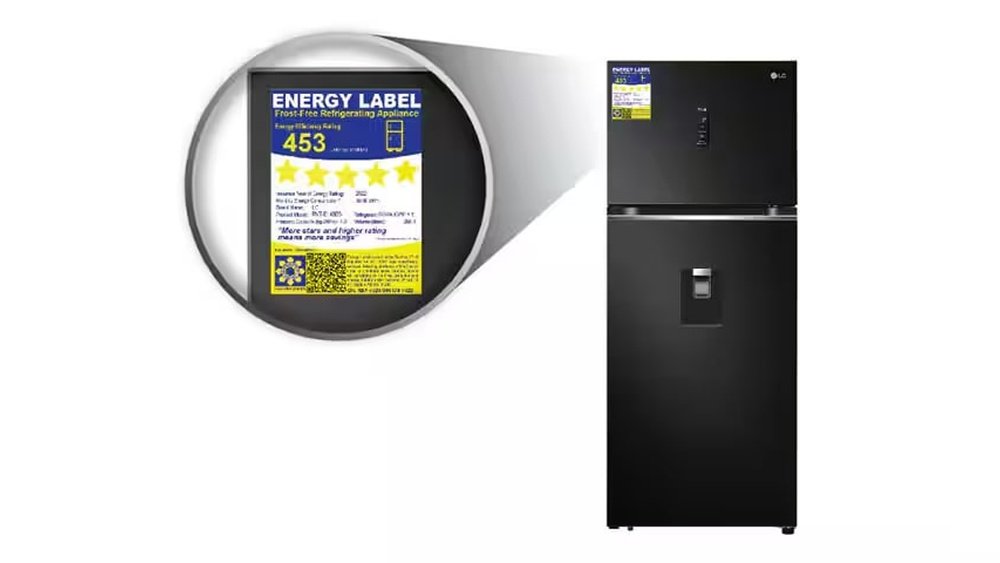
Energy ratings and labels help buyers choose refrigerators that save power. These labels show how much electricity a fridge uses. They guide you to pick models that cost less to run and help the environment.
Energy labels give clear, easy facts about energy use. They also show how a fridge ranks compared to others. This makes it simple to find energy-saving options.
Understanding Energy Star Certification
Energy Star is a well-known label for efficient appliances. It means the fridge meets strict energy-saving rules. Products with this label use less electricity than regular models.
Buying an Energy Star fridge lowers your power bill. It also cuts your home’s carbon footprint. This certification is a trusted sign of quality and savings.
Reading Energy Guide Labels
Energy Guide labels show estimated yearly electricity use. They also display the fridge’s annual operating cost. This helps compare different models easily.
The label uses simple numbers to explain energy use. Look for the lowest numbers to find the most efficient fridge. This label is usually yellow and easy to spot.
Tips To Maximize Refrigerator Efficiency
Maximizing your refrigerator’s efficiency helps save energy and lowers bills. Small changes in how you use and care for your fridge make a big difference. These tips help keep your refrigerator running well and use less power.
Optimal Temperature Settings
Set the fridge temperature between 37°F and 40°F (3°C to 4°C). This range keeps food fresh without using extra energy. The freezer should be at 0°F (-18°C). Avoid setting temperatures colder than needed. Cold air escapes more easily if the door opens often.
Proper Placement And Ventilation
Place the refrigerator away from heat sources like ovens or direct sunlight. Heat forces the fridge to work harder. Leave space around the fridge for air to flow freely. Proper ventilation helps the compressor stay cool and efficient.
Regular Maintenance Practices
Clean the condenser coils every six months. Dust slows down cooling and wastes energy. Check door seals for cracks or leaks. Replace damaged seals to keep cold air inside. Defrost the freezer regularly if it’s not frost-free. Ice buildup reduces efficiency and uses more power.
Cost Vs. Savings Analysis
Understanding the cost versus savings of an energy-efficient refrigerator helps you make a smart choice. It is important to compare the upfront price with long-term energy savings. This analysis shows how much money you save on electricity bills over time. It also helps you decide if the higher initial cost is worth it.
Initial Investment Considerations
Energy-efficient refrigerators usually cost more than regular models. The price difference depends on the brand and features. Look for models with an Energy Star label for better efficiency. Think about your budget and how long you plan to use the fridge. A higher upfront cost may pay off over the years.
Estimating Monthly Energy Costs
Energy-efficient refrigerators use less electricity each month. Check the Energy Guide label for estimated yearly energy use. Divide that number by 12 to find monthly costs. Compare this with your current fridge’s monthly energy cost. Lower monthly costs mean you spend less on electricity bills.
Calculating Payback Period
The payback period shows how long savings cover the higher price. Subtract the regular fridge cost from the energy-efficient fridge price. Divide this by monthly energy savings. The result is the number of months to recover extra spending. A shorter payback period means faster savings.

Frequently Asked Questions
What Defines An Energy-efficient Refrigerator?
An energy-efficient refrigerator uses advanced technology to reduce electricity consumption. It minimizes energy waste while maintaining optimal cooling performance. These models often have Energy Star ratings, indicating they meet strict energy-saving standards, helping consumers save on utility bills and reduce environmental impact.
How Does An Energy-efficient Refrigerator Save Money?
Energy-efficient refrigerators consume less power, lowering monthly electricity bills. Their improved insulation and compressors reduce energy use without sacrificing cooling quality. Over time, these savings offset the initial purchase price, making them cost-effective and environmentally friendly choices for households.
What Features Make Refrigerators Energy-efficient?
Key features include improved insulation, efficient compressors, and LED lighting. Smart temperature controls and inverter technology also optimize energy use. These elements work together to maintain consistent cooling while using less electricity than traditional models.
Are Energy-efficient Refrigerators Better For The Environment?
Yes, they reduce greenhouse gas emissions by consuming less electricity. Lower energy use means less demand on power plants, many of which rely on fossil fuels. Choosing energy-efficient appliances supports sustainability and helps fight climate change.
Conclusion
Energy-efficient refrigerators save money and reduce energy use. They help protect the environment by lowering carbon footprints. Choosing one means less electricity waste and longer appliance life. Simple features like good insulation and smart cooling matter most. Think about energy labels and size before buying.
Small steps make a big difference at home. Keep your fridge clean and well-maintained for best results. Saving energy is easy with the right fridge choice.

