
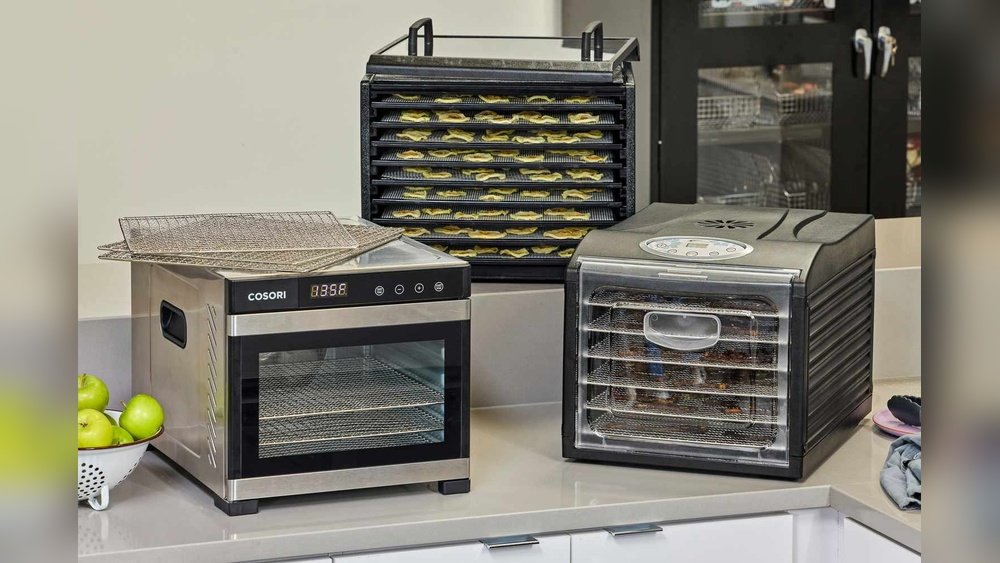
Are you ready to start making your own delicious dried snacks at home but don’t know where to begin? Choosing the best food dehydrator for beginners can feel overwhelming with so many options out there.
You want a machine that’s easy to use, reliable, and perfect for your needs—without breaking the bank. You’ll discover exactly what to look for and which models make drying fruits, veggies, and meats simple and fun. Keep reading, and by the end, you’ll be confident picking the right dehydrator to kickstart your healthy snacking adventure.
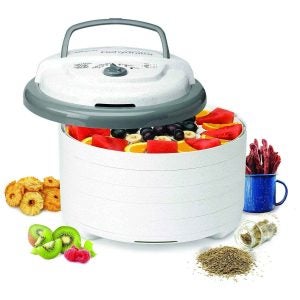
Why Choose A Food Dehydrator
Choosing a food dehydrator is a smart step for beginners interested in healthy eating and food preservation. It is a simple tool that helps dry fruits, vegetables, and meats without losing nutrients. Dehydrating food at home saves money and reduces waste. It also offers control over ingredients, avoiding preservatives and additives.
Food dehydrators are easy to use and require little space. They work quietly and use low energy. This makes them perfect for anyone starting to explore food drying. Learning to use a dehydrator opens new possibilities for cooking and snacking.
Benefits For Beginners
Food dehydrators preserve food for a long time. This helps avoid spoilage and saves money. They keep food natural and fresh without chemicals. Dehydrated snacks are healthy and easy to carry. The process is simple and safe, even for beginners. Users learn how to prepare different foods with little effort. The machines are easy to clean and maintain.
Common Uses At Home
Dehydrators dry fruits like apples, bananas, and berries. They make tasty snacks and ingredients for recipes. Vegetables such as tomatoes and peppers become flavorful dried pieces. Meat lovers can prepare jerky at home. Herbs and spices stay fresh and strong. Dehydrated food is perfect for camping and travel. Leftovers can be dried to reduce waste and save space.
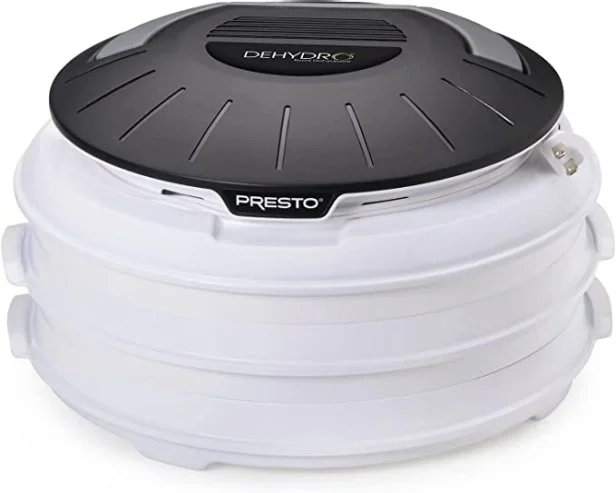
Key Features To Look For
Choosing the best food dehydrator for beginners means knowing what features matter most. These features help you get the best drying results with less hassle. Focus on what makes the machine easy and effective to use. This way, you enjoy making healthy snacks at home.
Capacity And Size
Think about how much food you want to dry at once. A bigger capacity means drying more food in one batch. Small models fit better in tight kitchens. Large models work well for families or bulk drying. Choose a size that fits your needs and space.
Temperature Control
Adjustable temperature is key for different foods. Fruits, vegetables, and meats need different heat levels. Precise control helps keep nutrients and flavor. Some models have presets for common foods. Manual dials offer more control for experienced users.
Ease Of Use
Simple controls save time and frustration. Clear buttons or knobs make setting the machine easy. A digital display shows time and temperature clearly. Look for a machine that starts quickly and runs quietly. Easy operation helps beginners feel confident.
Cleaning And Maintenance
Look for trays that are easy to remove and clean. Dishwasher-safe parts save time. A design that avoids food traps reduces buildup. Regular cleaning keeps the machine working well. Maintenance should be simple to keep your dehydrator lasting longer.
Top Food Dehydrators In 2025
Choosing a food dehydrator can be tough for beginners. In 2025, many models offer great features that fit different needs. Some are easy to use, while others handle large amounts of food. This guide highlights top dehydrators that beginners can trust. Each model balances quality, price, and ease of use.
Best Overall Model
The best overall food dehydrator combines performance and simplicity. It dries food evenly and fast. Controls are clear and easy to understand. This model works well for fruits, vegetables, and meats. It fits most kitchen spaces and cleans easily. A solid choice for beginners who want reliable results.
Best Budget Option
For those with a tight budget, this option delivers good value. It offers essential features without extra costs. The size is perfect for small batches and occasional use. Setup is simple, and the machine runs quietly. Ideal for beginners who want to try dehydrating without spending much.
Best For Large Batches
This dehydrator handles large amounts of food at once. It has multiple trays and a strong fan for fast drying. Controls let you adjust time and temperature easily. The size fits bigger kitchens or serious hobbyists. Great for beginners planning to dry food regularly or in bulk.
Best Compact Design
Space-saving design suits small kitchens or apartments. This model is lightweight and easy to store. Despite its size, it dries food evenly. Controls are user-friendly and straightforward. Perfect for beginners with limited space or those who want a portable option.

Tips For First-time Users
Starting with a food dehydrator can feel confusing. Simple tips help you get good results fast. Knowing how to prepare food, set the right temperature, and store dried items makes a big difference. These tips work well for beginners.
Preparing Food For Drying
Cut food into even pieces. This helps food dry evenly and quickly. Wash fruits and vegetables well. Remove any seeds or pits. Blanch vegetables if needed to keep color and nutrients. Arrange slices in a single layer on trays. Avoid overlapping to allow air flow.
Setting The Right Temperature
Different foods dry best at different temperatures. Fruits usually dry at 135°F (57°C). Vegetables need about 125°F (52°C). Herbs dry well at lower temperatures, around 95°F (35°C). Check your dehydrator guide for exact settings. Keep the temperature steady for consistent drying.
Storage And Shelf Life
Store dried foods in airtight containers. Use glass jars or sealed plastic bags. Keep containers in a cool, dark place. Proper storage helps food last longer and stay fresh. Most dried fruits and vegetables last 6 to 12 months. Check food regularly for any signs of moisture or mold.
Frequently Asked Questions
What Features Should Beginners Look For In A Food Dehydrator?
Beginners should seek easy controls, adjustable temperature, and even airflow. A compact size with multiple trays helps dry various foods efficiently. Quiet operation and easy cleaning are also important for convenience and usability.
How Much Does A Good Beginner Food Dehydrator Cost?
A quality beginner food dehydrator typically costs between $40 and $100. Models in this range offer reliable performance, user-friendly features, and durability. Higher-priced models may include extra trays or advanced settings but are not necessary for beginners.
Can Beginners Dehydrate Fruits And Vegetables Easily At Home?
Yes, beginners can easily dehydrate fruits and vegetables at home. Food dehydrators simplify the drying process by providing controlled heat and airflow. Proper slicing and drying times ensure tasty, long-lasting snacks without preservatives.
How Do I Maintain And Clean My Beginner Food Dehydrator?
To maintain your dehydrator, clean trays after each use with warm, soapy water. Wipe the interior gently to avoid damage. Regular cleaning prevents odors and buildup, ensuring efficient drying and longer appliance life.
Conclusion
Choosing the right food dehydrator starts with knowing your needs. Small size models suit limited space and simple tasks. Larger units work better for big batches and variety. Look for easy controls and good airflow for best results. A reliable machine saves time and keeps food fresh longer.
Trying one helps understand how drying works. Start with simple recipes to build confidence. Dehydrating food can be fun and healthy. Pick a model that fits your budget and lifestyle. Enjoy the process and tasty dried snacks ahead!

