
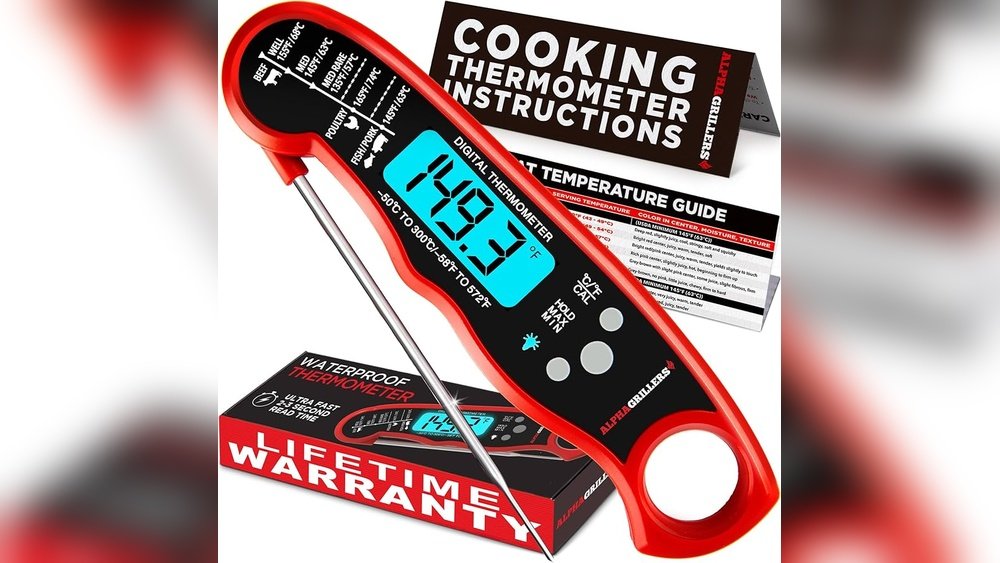
When you’re cooking meat at home, getting the temperature just right can make all the difference between juicy and dry. But how do you know when your roast, steak, or chicken is perfectly cooked?
That’s where the best meat thermometer comes in. Choosing the right one for your kitchen can save you time, prevent food waste, and keep your family safe from undercooked meals. You’ll discover which meat thermometers deliver accurate, fast, and easy-to-read results—so you can cook with confidence every time.
Keep reading to find the perfect tool that fits your needs and turns your cooking into a delicious success.
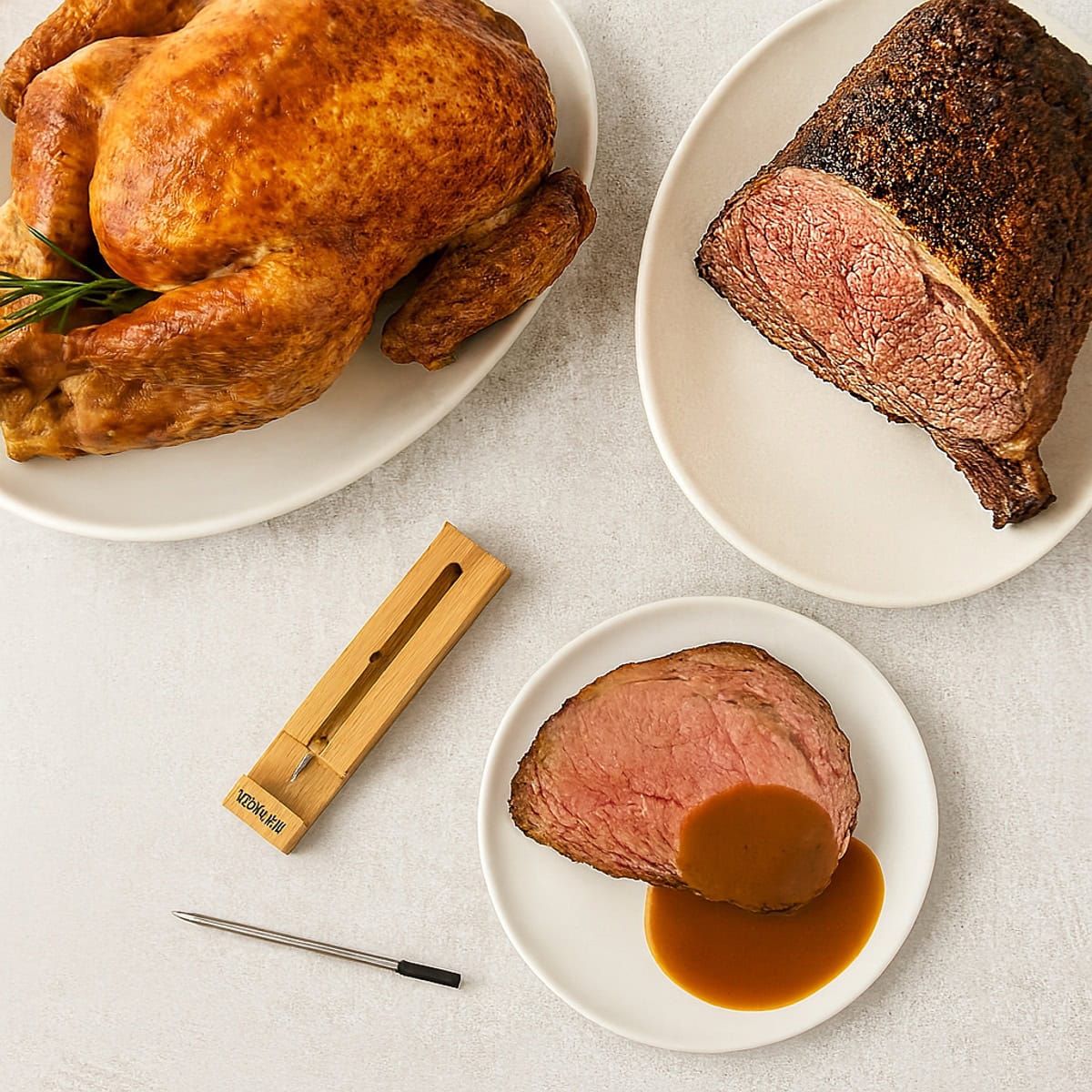
Why Use A Meat Thermometer
Using a meat thermometer is a smart choice for home cooking. It helps cook meat safely and perfectly. Many cooks rely on it to avoid guesswork and achieve great results every time.
Meat thermometers provide clear information about the meat’s temperature. This makes cooking easier and more accurate. It is a small tool with big benefits for your kitchen.
Ensuring Food Safety
Meat must reach a safe temperature to kill harmful bacteria. A thermometer shows when meat is fully cooked. This prevents food poisoning and keeps your family safe. Guessing the doneness can be risky and unsafe.
Achieving Perfect Doneness
Different meats need different temperatures for the best taste. A meat thermometer helps cook meat just right. No more dry chicken or rare beef by mistake. It ensures juicy and tender results every time.
Saving Time And Energy
Checking meat with a thermometer saves cooking time. It stops you from overcooking or undercooking food. This reduces energy use and wasted ingredients. Cooking becomes faster and less stressful with this tool.
:max_bytes(150000):strip_icc()/sea-meat-thermometers-test-thermoworks-bluedot-rkilgore-21-2618893fe72946c3b29e2385df83a6c1.jpeg)
Types Of Meat Thermometers
Choosing the right meat thermometer can make cooking easier and safer. Different types suit different cooking styles. Understanding these types helps pick the best one for home use. Here are the main kinds of meat thermometers.
Digital Instant-read
Digital instant-read thermometers give quick temperature readings. They are small and easy to use. Just insert the probe into the meat and wait a few seconds. These thermometers help check doneness fast. Perfect for grilling or pan-frying.
Probe Thermometers
Probe thermometers have a metal probe attached to a digital display by a wire. Insert the probe into the meat before cooking. The display stays outside the oven or grill. It shows the temperature continuously. Great for slow cooking and roasting.
Dial Oven-safe
Dial oven-safe thermometers go directly inside the oven. They have a dial face that shows the temperature. No batteries needed. They are simple and durable. Best for roasting large cuts of meat.
Wireless Smart Thermometers
Wireless smart thermometers connect to smartphones using Bluetooth or Wi-Fi. They send temperature updates to an app. You can monitor cooking from anywhere. These thermometers offer preset temperatures and alerts. Ideal for tech-savvy cooks.
Key Features To Consider
Choosing the best meat thermometer for home cooking means knowing what matters most. Different thermometers offer different features. Some are quick, others are very accurate. Durability also plays a big role. The right thermometer makes cooking easier and safer.
Accuracy And Speed
Accuracy is key to perfect cooking. The thermometer must give the correct temperature every time. Speed is important too. Fast readings help avoid overcooking or undercooking meat. Look for a model that balances both well.
Temperature Range
Check the temperature range of the thermometer. It should cover low and high cooking temperatures. This ensures it works for all types of meat and cooking methods. A wide range offers more flexibility in the kitchen.
Ease Of Use
Choose a thermometer that is simple to use. Clear displays and easy buttons matter. Some models have backlit screens for dark kitchens. A probe that is easy to insert and clean is best. Simple designs save time and reduce mistakes.
Durability And Build Quality
Strong materials mean the thermometer lasts longer. Look for water-resistant or waterproof models. A sturdy probe resists bending or breaking. Good build quality protects your investment over time.
Connectivity Options
Some thermometers connect to phones or tablets. This helps monitor temperatures remotely. Alerts and timers can notify when meat is ready. Wireless options add convenience but are not always necessary.
Top Meat Thermometers For 2025
Choosing the right meat thermometer makes cooking easier and safer. It ensures your meat is perfectly cooked every time. In 2025, many new models offer features for different cooking styles. Here are the top meat thermometers that fit various needs at home.
Best Overall
The best overall thermometer combines accuracy, speed, and ease of use. It gives quick readings with clear displays. Durable design and reliable sensors make it a kitchen favorite. Perfect for beginners and experienced cooks alike.
Best Budget Option
This thermometer offers good performance without a high price. Simple to use with fast temperature readings. Ideal for those who want quality on a budget. No extra features, just what you need to cook safely.
Best For Smart Home Integration
Connects easily to smartphones and home devices. Lets you monitor cooking from anywhere in your house. Includes apps with alerts for perfect doneness. Great for tech-savvy cooks who want control and convenience.
Best For Grilling
Designed to handle high heat and outdoor conditions. Long probes and loud alarms keep your grill in check. Helps achieve perfect steaks, burgers, and ribs every time. Built tough for backyard chefs and BBQ lovers.
Best For Oven Use
Works well inside hot ovens without damage. Can stay in meat while cooking for continuous temperature checks. Clear display outside the oven shows progress. Makes roasting and baking meats simple and safe.
Tips For Using A Meat Thermometer
Using a meat thermometer correctly ensures your food cooks safely and tastes great. Small mistakes can lead to undercooked or dry meat. Follow these tips to get accurate readings every time. Proper use extends the life of your thermometer and keeps your meals perfect.
Proper Insertion Techniques
Insert the thermometer into the thickest part of the meat. Avoid touching bone, fat, or gristle. These parts heat differently and give false readings. Push the probe deep enough to reach the center. For thin cuts, insert from the side to get a good reading.
Cleaning And Maintenance
Clean the probe after each use with warm, soapy water. Avoid soaking the whole thermometer if it is not waterproof. Dry it with a soft cloth before storing. Regular cleaning prevents bacteria build-up and keeps your readings accurate.
Calibrating Your Thermometer
Check calibration regularly to ensure accuracy. Use ice water or boiling water tests. The thermometer should read 32°F (0°C) in ice water and 212°F (100°C) in boiling water. Adjust the device if it shows different readings. Calibration keeps your cooking safe and reliable.

Common Mistakes To Avoid
Using a meat thermometer is a smart way to cook perfect meals. Yet, many people make simple mistakes that affect the results. Avoiding these errors helps you get the best from your thermometer and your cooking.
Ignoring Resting Times
Many skip resting meat after cooking. Resting lets juices spread inside the meat. This makes the meat moist and tender. Check temperature before resting. Then let the meat sit for a few minutes. This small step improves flavor and texture.
Using The Wrong Thermometer Type
Not all thermometers suit every cooking style. Some work best for thick cuts, others for thin ones. Choose a thermometer designed for your cooking method. Instant-read models give quick results. Leave-in probes monitor temperature during cooking. Using the right type saves time and ensures accuracy.
Not Testing Multiple Spots
Meat temperature can vary inside. Testing only one spot may give wrong results. Check several places, especially the thickest parts. This helps avoid undercooked or overcooked areas. Multiple checks make sure the whole piece is safe and tasty.
Frequently Asked Questions
What Features Make A Meat Thermometer Best For Home Cooking?
The best meat thermometer offers accuracy, fast readings, and easy-to-read displays. It should be durable, waterproof, and have a wide temperature range. Additional features like alarms and wireless connectivity enhance convenience during home cooking.
How Do I Choose A Meat Thermometer For Different Meats?
Choose a thermometer with preset temperature settings for various meats like beef, poultry, and pork. Ensure it has a quick response time and probes that can handle thick cuts. Versatility helps achieve perfect doneness for all meat types.
Are Digital Or Analog Meat Thermometers Better For Home Use?
Digital thermometers provide faster, more accurate readings than analog ones. They often include features like backlit screens and alerts. Analog thermometers are simple but slower and less precise, making digital models ideal for home cooks.
How Accurate Should A Meat Thermometer Be?
A reliable meat thermometer should have an accuracy within ±1 to 2 degrees Fahrenheit. This ensures safe cooking temperatures and optimal taste. Precision helps prevent undercooked or overcooked meals, crucial for food safety and quality.
Conclusion
Choosing the best meat thermometer helps cook food safely and perfectly. A good thermometer saves time and avoids guesswork. It ensures meat is juicy and not overcooked. Simple to use models work well for most cooks. Digital thermometers give quick and clear readings.
Always pick one that fits your kitchen and budget. Enjoy better meals with confidence and ease. Cooking becomes more fun and less stressful. Trust your thermometer for great results every time.

