
Are you tired of unevenly dried fruits, herbs, or snacks ruining your hard work? The way you stack your trays can make all the difference between perfectly dried results and frustrating, soggy patches.
Getting this right means better texture, longer shelf life, and more delicious flavors every time. You’ll discover the best way to stack trays for even drying—simple tips that anyone can follow to take your drying game to the next level.
Keep reading, and you’ll never waste another batch again.
Choosing The Right Trays
Choosing the right trays is key to drying food evenly. The trays hold the food and affect airflow. Picking the proper trays helps air reach all parts. This stops uneven drying and saves time.
Material Matters
Tray material impacts drying speed and food quality. Stainless steel trays last long and resist rust. They allow air to flow freely around food. Plastic trays are lightweight but may trap moisture. Bamboo trays look natural but dry slower. Mesh trays offer excellent airflow for faster drying. Choose a material that fits your drying needs and budget.
Size And Shape Considerations
Tray size affects how many items you can dry at once. Large trays hold more food but need more space. Smaller trays fit into tight spaces and dry faster. Shape matters too. Rectangular trays fit better in most dehydrators. Round trays might limit food placement. Pick trays that fit your machine and drying habits. Proper size and shape improve airflow and drying results.
Preparing Trays For Drying
Proper preparation of trays ensures even drying of your food or herbs. Clean and well-maintained trays prevent contamination and improve airflow. This step helps maintain the quality and safety of your dried items.
Choosing the right lining for your trays also affects drying results. It can stop sticking and make cleaning easier. Taking time to prepare trays correctly leads to better drying performance.
Cleaning And Maintenance
Start by washing trays with warm, soapy water. Remove all dirt, dust, and food residue. Use a soft brush to clean corners and edges. Rinse trays thoroughly to remove soap. Let trays dry completely before use. Regular cleaning prevents mold and bacteria growth. Check trays for cracks or damage. Replace trays that are broken or warped. This keeps air flowing evenly under your food.
Lining Options
Use parchment paper for a non-stick surface. It works well with fruits and vegetables. Silicone mats offer reusable, easy-to-clean liners. They allow air to pass through small holes. Cheesecloth or mesh liners suit herbs and flowers. These liners help small pieces stay in place. Avoid plastic wraps as they block airflow. Choose liners that fit your tray size. Proper lining protects your food and improves drying.
Stacking Techniques For Airflow
Good airflow is key to drying trays evenly. Without enough air, some items stay wet or dry slowly.
Proper stacking lets air move freely around each tray. This helps all trays dry at the same speed.
Two main ways to improve airflow are spacing between trays and using supports or risers.
Spacing Between Trays
Leave space between each tray. This gap lets air circulate well around the food.
Stack trays too close, and air cannot flow properly. Drying becomes uneven.
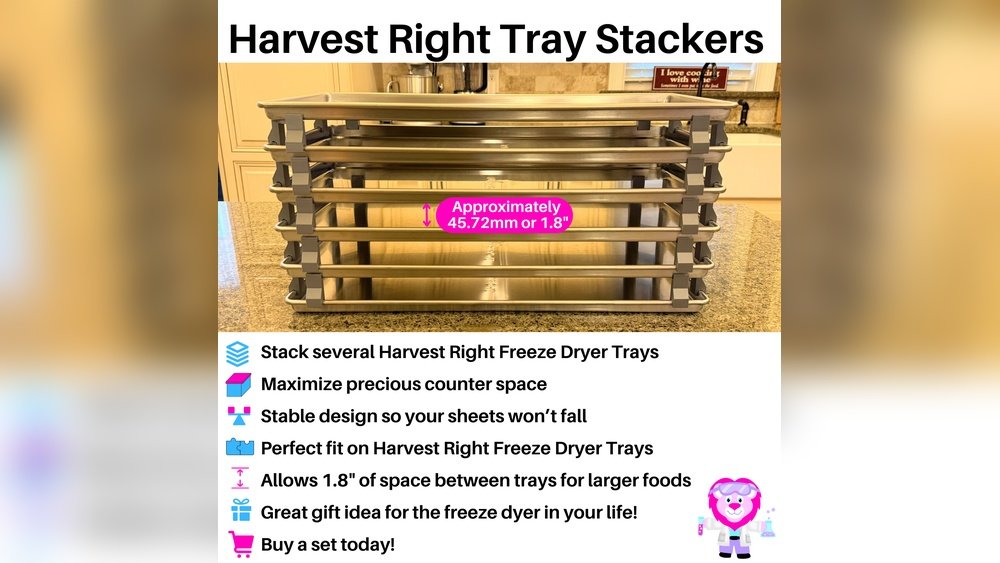
A good rule is to keep at least 1 to 2 inches of space between trays.
This space helps heat and air reach all surfaces of the food.
Using Supports Or Risers
Supports or risers lift trays above one another. They keep trays from sitting flat together.
This creates a clear path for air to move below and between trays.
Use plastic or wooden risers that are easy to clean and safe for food.
Even small risers can make a big difference in drying speed and quality.

Arranging Food Items
Arranging food items correctly on trays is key for even drying. Proper placement helps air flow around each piece. This prevents some parts from drying too fast or staying wet. It also keeps the food safe and tasty. Careful arrangement saves time and energy during drying.
Even Distribution
Place food pieces evenly across the tray. Avoid stacking items in one spot. Spread them out so air can reach all sides. This helps dry each piece at the same rate. Try to keep similar sizes together for uniform drying. Small pieces dry faster than big ones.
Avoiding Overcrowding
Do not crowd the tray with too many items. Overcrowding blocks air flow between pieces. This causes uneven drying and may lead to spoilage. Leave space between each item. This allows heat and air to circulate freely. Use multiple trays if needed to avoid crowding.
Optimizing Drying Conditions
Optimizing drying conditions plays a key role in getting even drying results. Proper control of temperature and humidity helps maintain the quality of the dried items. Small changes can cause uneven drying or spoil the product. Careful attention to these settings improves airflow and prevents moisture buildup.
Temperature And Humidity Settings
Set the temperature according to the type of food or material. Most foods dry well between 120°F and 140°F. Too high heat can cook or burn the items. Too low heat slows drying and may cause mold.
Keep humidity low inside the dryer. High humidity traps moisture and slows drying. Use a dehumidifier or good ventilation to remove damp air. This helps the trays dry evenly.
Rotating And Switching Trays
Airflow varies inside the dryer. Some trays get more air than others. Rotate trays from top to bottom and front to back. This balances drying across all trays.
Switch trays regularly during the process. Move trays with faster drying to slower spots. This prevents some trays from over-drying while others stay wet.

Common Mistakes To Avoid
Stacking trays for drying can be tricky. Many people make simple mistakes that cause uneven drying. These errors slow the process and waste energy. Avoiding these mistakes helps your food dry faster and better. Here are the most common mistakes to watch out for.
Stacking Too Tightly
Piling trays too close stops air from moving freely. This traps moisture between layers. Wet spots appear and drying takes longer. Leave enough space between trays for air to flow. This keeps all items drying evenly and quickly.
Ignoring Air Circulation
Good air circulation is key to even drying. Placing trays in a corner or blocking vents hurts airflow. The air must move around every tray. Make sure trays are not crowded and vents stay clear. This keeps air moving and dries food well.
Tools And Accessories
Using the right tools and accessories can improve drying results. They help keep trays spaced evenly. This allows air to flow freely around each tray. Proper air circulation is key for even drying.
Tray Spacers
Tray spacers are small bars placed between trays. They create a gap that lets air pass through. This gap stops trays from touching each other. This simple tool helps dry food evenly on every tray. Spacers are easy to use and clean. They fit most types of trays.
Drying Racks
Drying racks hold multiple trays in one place. They stack trays with enough space between each layer. This design improves air circulation around the food. Racks keep trays stable and prevent slipping. Some racks are adjustable to fit different tray sizes. Using drying racks saves space and boosts drying speed.
Frequently Asked Questions
How Should Trays Be Spaced For Even Drying?
Trays should be spaced evenly with at least 1 to 2 inches between them. Proper airflow ensures uniform drying and prevents moisture buildup.
Can Stacking Trays Affect Drying Time?
Yes, stacking trays too closely slows drying. Adequate space allows air circulation, reducing drying time and improving overall efficiency.
What Material Is Best For Drying Trays?
Mesh or perforated trays made of food-safe materials are ideal. They allow maximum air flow and prevent uneven drying spots.
Should Trays Be Rotated During Drying?
Yes, rotating trays periodically promotes even drying. It helps distribute heat and air, preventing soggy or overly dry areas.
Conclusion
Stacking trays properly helps food dry evenly and stay fresh. Keep space between trays for good air flow. Avoid piling trays too close or too far apart. Check trays often to move or adjust them if needed. Using simple tips makes drying easier and faster.
Dry food better with the right tray stacking method. This keeps your snacks tasty and safe to eat. Try these easy steps for best drying results every time.

