
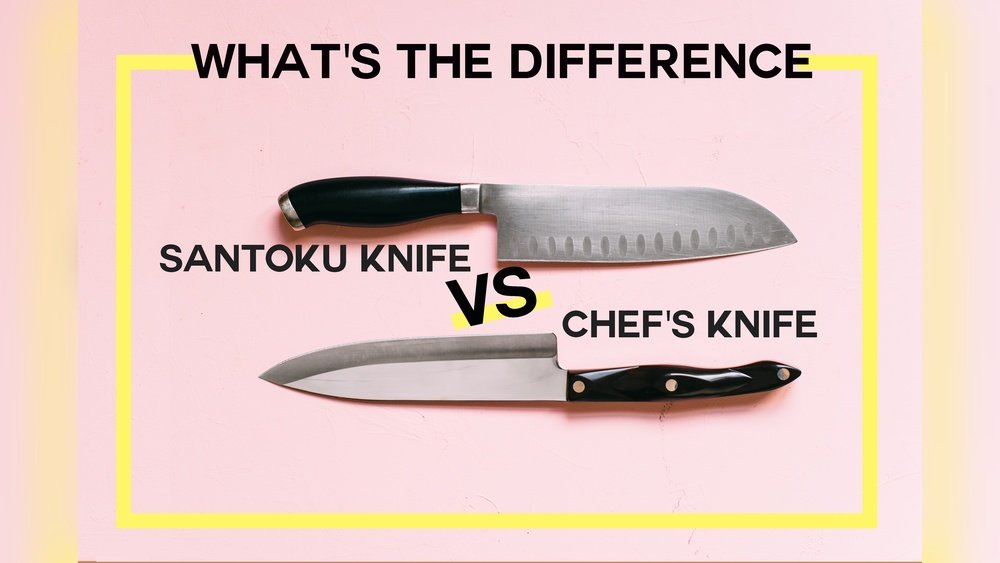
Are you confused about choosing the right knife for your kitchen? Knowing the difference between a chef knife and a Santoku knife can make a big impact on your cooking experience.
Both knives look similar, but they work in very different ways. Understanding these differences will help you cut faster, cook smarter, and enjoy every meal you prepare. Keep reading, and you’ll discover which knife suits your style and why having the right tool matters more than you think.
Blade Shape And Design
The blade shape and design play a big role in how each knife works. These features affect cutting style, control, and the types of food you can prepare. Understanding these differences helps choose the right knife for your kitchen.
Chef Knife Blade Features
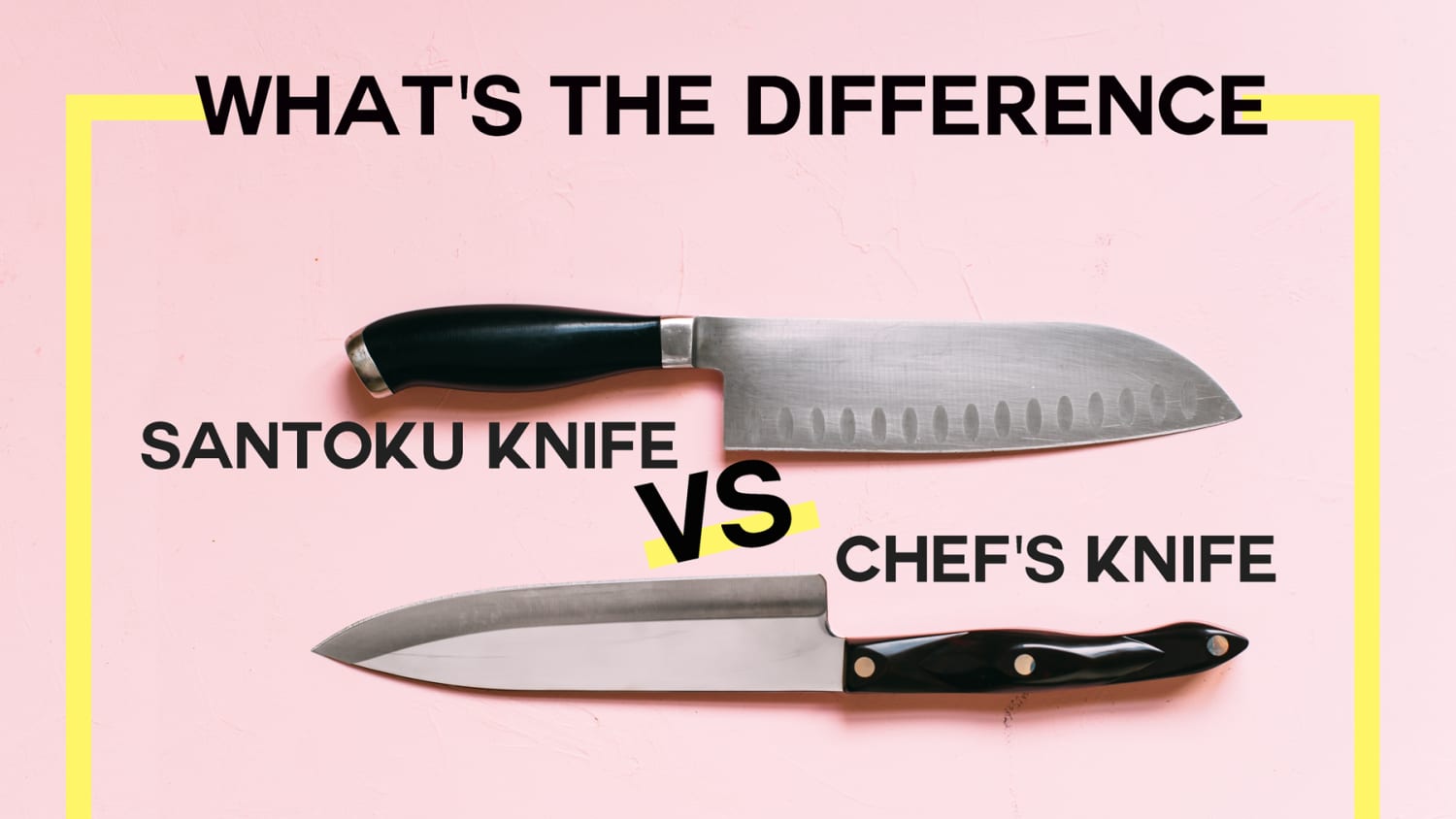
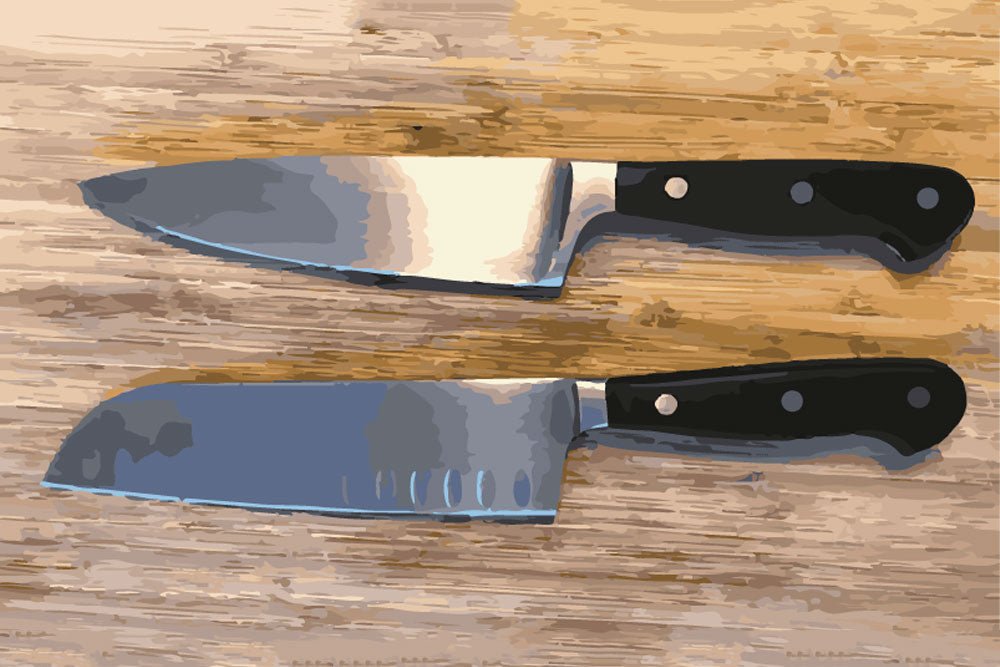
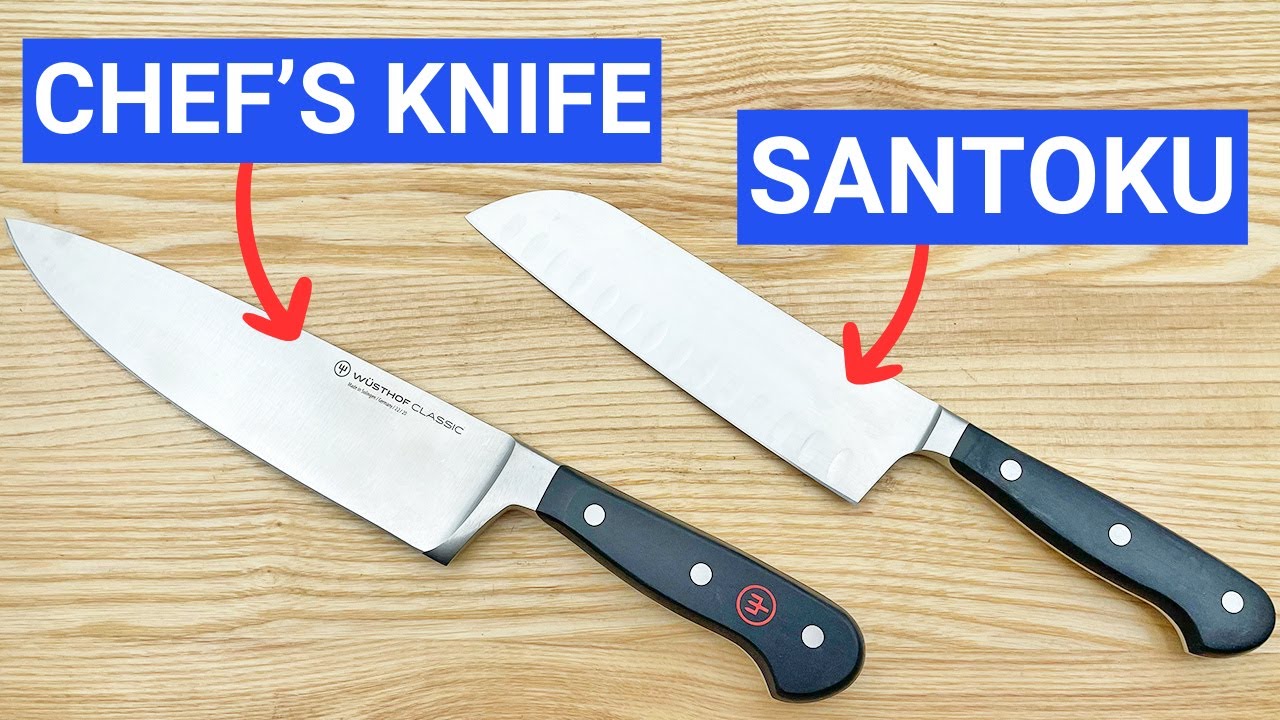
The chef knife has a broad, curved blade. This shape lets you rock the knife back and forth while cutting. The blade usually measures 8 to 10 inches long. The curve helps with chopping, slicing, and dicing. The blade tapers to a sharp point for detailed work. The thick spine adds strength and balance.
Santoku Knife Blade Features
The santoku knife has a shorter, straighter blade. It is usually 5 to 7 inches long. The blade has a flat edge and a rounded tip. This shape suits chopping with an up-and-down motion. The blade is thinner and lighter than a chef knife. Many santoku knives have small indentations to reduce food sticking.
Cutting Techniques
Cutting techniques differ between a chef knife and a Santoku knife. Each blade shape suits a unique way to slice, chop, and dice. Understanding these methods helps improve your cooking skills. It also makes food preparation faster and safer.
Chopping And Rocking Motion
The chef knife excels in chopping with a rocking motion. The curved blade moves back and forth on the cutting board. This motion keeps the tip of the knife in contact with the board. It allows smooth, continuous chopping of vegetables and herbs.
This technique works well for cutting larger items like onions and carrots. The rocking motion helps create even, consistent cuts. It also reduces wrist strain during long chopping sessions.
Push And Lift Technique
The Santoku knife uses a push and lift cutting style. Its flat edge moves straight down and slightly forward. The blade cuts through food with a clean push. Then, it lifts off the board to prepare for the next cut.
This technique suits thin slicing and dicing. It works great for soft vegetables, fish, and boneless meat. The push and lift motion gives precision and control. It helps create fine, uniform pieces without crushing delicate ingredients.
Blade Length And Size
Blade length and size play a key role in defining how a knife handles in the kitchen. These differences affect cutting style, comfort, and control. Both chef knives and Santoku knives have unique blade lengths suited to various tasks. Understanding these sizes helps you pick the right tool for your cooking needs.
Typical Chef Knife Length
Chef knives usually have longer blades. Most range from 8 to 12 inches. The longer blade helps with slicing large vegetables and meats. It also allows smooth rocking motions for chopping. The size fits well in larger hands and offers more cutting surface. This length gives versatility across many kitchen tasks.
Typical Santoku Knife Length
Santoku knives feature shorter blades. They often measure between 5 and 7 inches. The compact size makes them easy to control. They excel at precise slicing and dicing. The shorter blade suits smaller kitchens and hands. Santoku knives focus on quick, straight cuts rather than rocking.
Versatility And Usage
Both chef knives and santoku knives are essential in kitchens worldwide. They serve different purposes and excel in various tasks. Understanding their versatility helps in choosing the right tool for cooking needs.
Best Uses For Chef Knife
The chef knife is a classic all-rounder. It works well for chopping vegetables, slicing meat, and dicing fruits. Its curved blade allows a rocking motion, which speeds up cutting. This knife handles bigger tasks with ease. It is ideal for cutting through thick vegetables and large cuts of meat. The chef knife also performs well with herbs and nuts. It adapts to many kitchen tasks, making it a top choice for cooks.
Best Uses For Santoku Knife
The santoku knife shines with precision tasks. It is perfect for slicing, dicing, and mincing. The blade is shorter and straighter than a chef knife. This design helps with thin, delicate cuts. It works great on fish and boneless meat. The santoku excels at cutting vegetables into uniform pieces. It is lighter and easier to control for detailed work. Ideal for home cooks who prefer fine, clean cuts.
Weight And Balance
The weight and balance of a knife affect how it feels in your hand and how well it cuts. Both chef knives and santoku knives have distinct differences in these areas. Understanding these differences helps you pick the right knife for your kitchen tasks.
Heaviness Of Chef Knives
Chef knives are usually heavier than santoku knives. This extra weight helps push the blade through tough foods like meat and hard vegetables. The balance often leans toward the blade, giving more control for chopping and slicing. The weight can make cutting feel more powerful. Some cooks prefer this solid feel for longer cooking sessions.
Lightness Of Santoku Knives
Santoku knives tend to be lighter and more balanced in the hand. The weight spreads evenly between the handle and the blade. This design allows for quick, precise cuts with less effort. The lighter feel suits those who prefer fast chopping or dicing. It also reduces hand fatigue during repetitive tasks.
Cultural Origins
The chef knife and the Santoku knife come from different cultural backgrounds. Each knife reflects the cooking styles and needs of its origin. Understanding these roots helps explain their unique designs and uses.
Western Knife Tradition
The chef knife is a staple in Western kitchens. It dates back to Europe, especially France and Germany. The design focuses on versatility. It has a curved blade for rocking cuts. This shape suits chopping, slicing, and dicing. Western chefs value this knife for heavy-duty tasks. It works well with large vegetables and thick cuts of meat.
Japanese Knife Tradition
The Santoku knife comes from Japan. Its name means “three virtues” or “three uses.” These virtues refer to slicing, dicing, and mincing. The blade is shorter and straighter than a chef knife. It has a flat edge, which gives precise cuts. Japanese cooking often requires delicate and quick cuts. The Santoku fits this need perfectly. It is light and easy to handle for fine work.
Maintenance And Sharpening
Maintaining and sharpening your knives keeps them in top shape. Sharp knives make cutting easier and safer. Both chef and Santoku knives need regular care. Proper sharpening preserves their edge and extends their life.
Sharpening Chef Knives
Chef knives have a curved blade for rocking cuts. Use a whetstone or sharpening steel for best results. Hold the knife at a 20-degree angle to the stone. Move the blade in a smooth, circular motion. Repeat on both sides until sharp. Test sharpness by slicing paper or a tomato.
Sharpening Santoku Knives
Santoku knives have a flatter blade with a 15-degree edge. Use a whetstone to maintain the precise angle. Slide the blade gently across the stone in a straight motion. Keep the angle consistent for an even edge. Sharpen both sides evenly to avoid dull spots. Check sharpness by cutting soft vegetables.
Choosing The Right Knife
Choosing the right knife can make cooking easier and more enjoyable. Both chef knives and santoku knives have unique features. Understanding your cooking style and kitchen needs helps you pick the best one for you.
Personal Cooking Style
Think about how you cook most often. Do you chop large vegetables or slice thin pieces of meat? Chef knives are good for big tasks like cutting meat and dicing vegetables. They have a curved blade that allows for rocking motions.
Santoku knives work well for precise, straight cuts. They are lighter and shorter. If you prefer quick chopping and slicing, a santoku knife fits well. It offers control and ease for small, quick movements.
Kitchen Needs And Preferences
Consider the space and tools in your kitchen. Chef knives are larger and take more room. Santoku knives are compact and easier to store. Your choice depends on your kitchen size and storage options.
Also, think about the knife’s balance and grip. Some cooks like a heavier knife for strength. Others want a light knife for speed and less fatigue. Trying both types helps find the most comfortable fit.
Frequently Asked Questions
What Are The Main Uses Of A Chef Knife?
A chef knife is versatile, ideal for chopping, slicing, and dicing. It handles a variety of ingredients, making it perfect for general kitchen tasks.
How Does A Santoku Knife Differ In Blade Design?
Santoku knives have a shorter, flatter blade with a rounded tip. This design improves precision and is great for slicing and fine chopping.
Which Knife Is Better For Beginners, Chef Or Santoku?
Santoku knives are often recommended for beginners due to their lightweight design and ease of use. Chef knives require more skill but offer greater versatility.
Can I Use A Chef Knife Instead Of A Santoku?
Yes, a chef knife can replace a Santoku for most tasks. However, the cutting style and feel may differ, affecting precision.
Conclusion
Choosing between a chef knife and a Santoku depends on your cooking style. Chef knives offer versatility with a curved blade for rocking cuts. Santoku knives provide precision with a straighter blade and shorter length. Both knives handle everyday kitchen tasks well.
Try each to see which feels right in your hand. Either way, a good knife makes cooking easier and more enjoyable. Keep your knives sharp for best results. Simple tools, great meals.

