
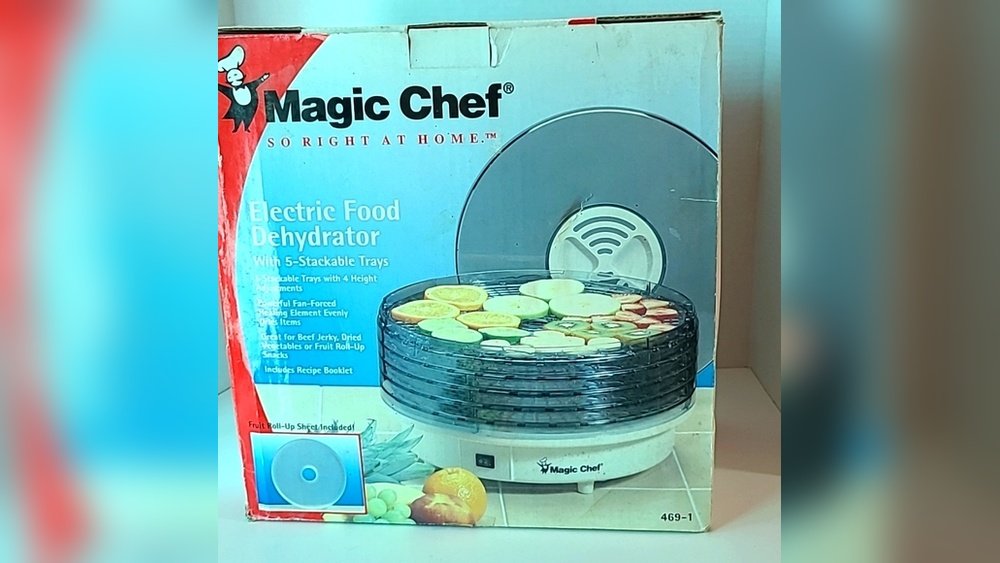
Are you thinking about drying your fruits, vegetables, or herbs at home but feel confused by the different types of dehydrators available? Understanding the difference between fan-forced and stackable dehydrators can make a big difference in your drying experience.
Knowing which one suits your needs will save you time, energy, and frustration. You’ll discover how these two types work, their benefits, and which one fits best with your lifestyle. Keep reading to make the right choice for your kitchen and enjoy perfectly dried snacks every time.
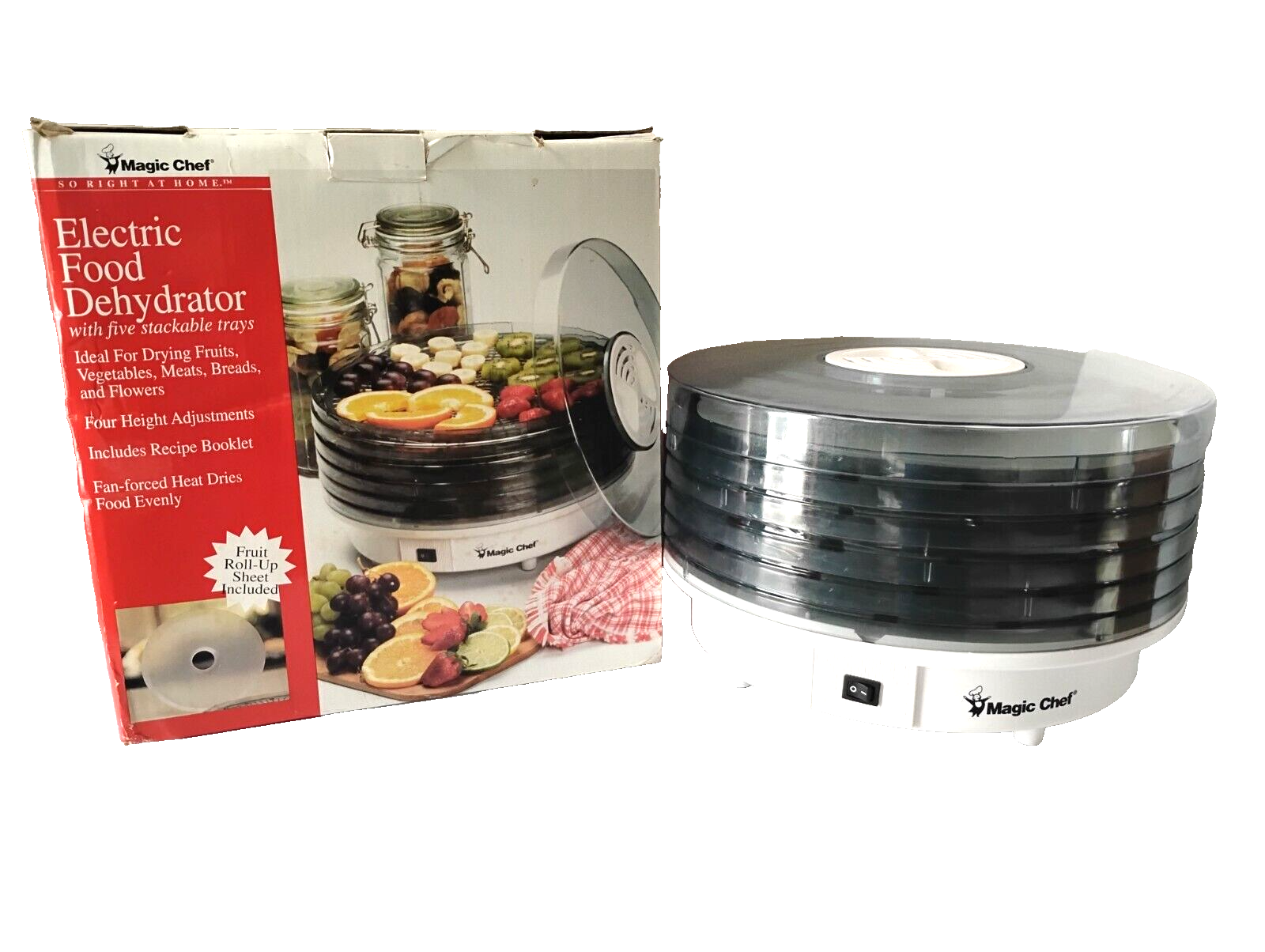
Fan-forced Dehydrators
Fan-forced dehydrators use a fan to move hot air evenly around the food. This method helps dry food quickly and uniformly. The fan pushes air through trays, removing moisture effectively. These dehydrators are popular for home use and small businesses.
How Fan-forced Technology Works
The fan circulates warm air inside the dehydrator. This air flows over each tray. It carries moisture away from the food. The constant air movement stops hot spots. It makes drying faster and more even. The heating element warms the air to the set temperature.
Advantages Of Fan-forced Models
Fan-forced dehydrators dry food faster than static models. They keep temperature steady across all trays. This prevents some pieces from being under-dried. The even airflow helps retain taste and nutrients. These models usually use less energy. They are easy to use and clean.
Common Uses And Applications
These dehydrators work well for fruits, vegetables, and herbs. They also dry meats for jerky effectively. Many people use them for making snacks. Small businesses use fan-forced models for batch drying. They suit anyone who wants quick and consistent results.

Stackable Dehydrators
Stackable dehydrators offer a flexible solution for drying foods. They consist of separate trays that stack on top of each other. This design saves space and adapts to different drying needs. Users can add or remove trays based on the amount of food. This makes stackable dehydrators popular for home cooks and small businesses.
Design And Functionality
Stackable dehydrators have a vertical design with trays stacked upwards. Each tray holds food slices or pieces for drying. Heat and air circulate through each tray evenly. The fan and heating element are usually at the base or top. This design allows good airflow between trays. Users can see the drying progress by removing trays one by one.
Benefits Of Stackable Units
These units are space-efficient and easy to store. They allow drying small or large batches by adding trays. Cleaning is simple because trays are removable. Users can dry different foods on separate trays at once. Stackable dehydrators tend to use less energy for small batches. They provide even drying and consistent results.
Typical Use Cases
Stackable dehydrators suit households with limited kitchen space. They fit well in apartments or small kitchens. They work best for drying fruits, herbs, and vegetables in moderate amounts. Small food businesses use them for testing or small product batches. Also good for hobbyists who make dried snacks or pet treats. Their flexibility makes them a practical choice for various needs.
Key Differences
Understanding the key differences between fan-forced and stackable dehydrators helps you choose the right one. These types vary in design and function. Each style offers unique benefits based on your needs. Let’s explore the main points that set them apart.
Air Circulation And Heat Distribution
Fan-forced dehydrators use a built-in fan to push air across all trays. This creates even heat and dries food faster. Stackable dehydrators rely on natural air flow. Heat rises through the trays, which can cause uneven drying. Fan-forced models offer more consistent results.
Capacity And Space Efficiency
Stackable dehydrators allow you to add or remove trays as needed. This flexibility helps save space when not in use. Fan-forced dehydrators usually have fixed trays and a larger base. They take up more counter space but can handle bigger batches at once.
Energy Consumption
Fan-forced dehydrators use more energy because of the fan and heating element. Stackable models consume less power since they rely mostly on heat rising. Smaller batches and longer drying times affect total energy use. Choose based on your drying habits and electricity costs.
Ease Of Use And Maintenance
Fan-forced dehydrators often have digital controls for temperature and timer settings. This makes them easier to operate. Stackable dehydrators are simpler but need more attention to rotate trays. Cleaning is usually straightforward for both types, but stackable parts may be easier to wash.

Choosing The Right Dehydrator
Choosing the right dehydrator is important for good drying results. Both fan-forced and stackable dehydrators have unique features. Understanding these can help you pick one that fits your needs perfectly.
Factors To Consider
Think about how often you will use the dehydrator. Fan-forced models dry food faster and more evenly. Stackable dehydrators offer flexibility with removable trays. Also, check the size and noise level. These affect how comfortable you are using it daily.
Budget And Performance Needs
Fan-forced dehydrators usually cost more but deliver quicker drying. Stackable types are often cheaper and good for small batches. Decide how much you want to spend. Balance price with how well the dehydrator performs for you.
Personal Preferences And Kitchen Space
Consider your kitchen size and storage options. Fan-forced models take more space but need less attention. Stackable dehydrators are compact and easy to store. Your choice depends on how much space you have and how you like to work.
Tips For Effective Dehydrating
Effective dehydrating needs more than just a good machine. Proper steps make a big difference. Follow simple tips to get the best dried foods. These help keep taste, texture, and nutrients strong. Learn how to prepare, set temperatures, and store dried items safely.
Preparation Techniques
Start by washing all fruits and vegetables. Cut them into even slices for quick drying. Remove seeds and stems to avoid bitter taste. Soak some foods in lemon juice to stop browning. Pat dry with a clean towel before placing on trays. Proper prep helps food dry evenly and stay fresh.
Optimal Temperature Settings
Set the dehydrator at the right temperature for each food. Fruits usually dry well at 135°F (57°C). Vegetables need a bit higher, around 125°F to 135°F. Herbs and delicate items require lower heat, about 95°F to 105°F. Avoid too high heat to keep nutrients intact. Check dryness by feeling texture or bending pieces.
Storage And Safety
Cool dried foods completely before storing. Use airtight containers or bags to keep moisture out. Store in a dark, cool place to prevent spoilage. Label containers with the date for easy tracking. Check dried foods regularly for mold or soft spots. Proper storage keeps your dried foods safe and tasty longer.
Frequently Asked Questions
What Is A Fan-forced Dehydrator?
A fan-forced dehydrator uses a built-in fan to circulate warm air evenly. It dries food faster and more uniformly. This method prevents uneven drying and improves efficiency. It is ideal for drying large batches quickly.
How Does A Stackable Dehydrator Work?
Stackable dehydrators have separate trays stacked vertically. Each tray dries food independently, allowing varied drying times. They offer flexibility by adding or removing trays. This design saves space and suits small kitchens.
Which Dehydrator Is Best For Even Drying?
Fan-forced dehydrators provide the most even drying. The fan circulates heat consistently across all trays. This reduces the risk of under or over-dried food. It is best for uniform results.
Can Stackable Dehydrators Save Kitchen Space?
Yes, stackable dehydrators save space by stacking trays vertically. You can customize the number of trays used. This makes them compact and easy to store. Ideal for limited kitchen space.
Conclusion
Choosing between fan-forced and stackable dehydrators depends on your needs. Fan-forced models dry food faster and more evenly. Stackable dehydrators save space and let you dry different foods at once. Think about how much space you have and what you want to dry.
Both types work well, but each has its strengths. Understanding these differences helps you pick the right one. Simple and clear, your choice will make food drying easier and more fun.

