
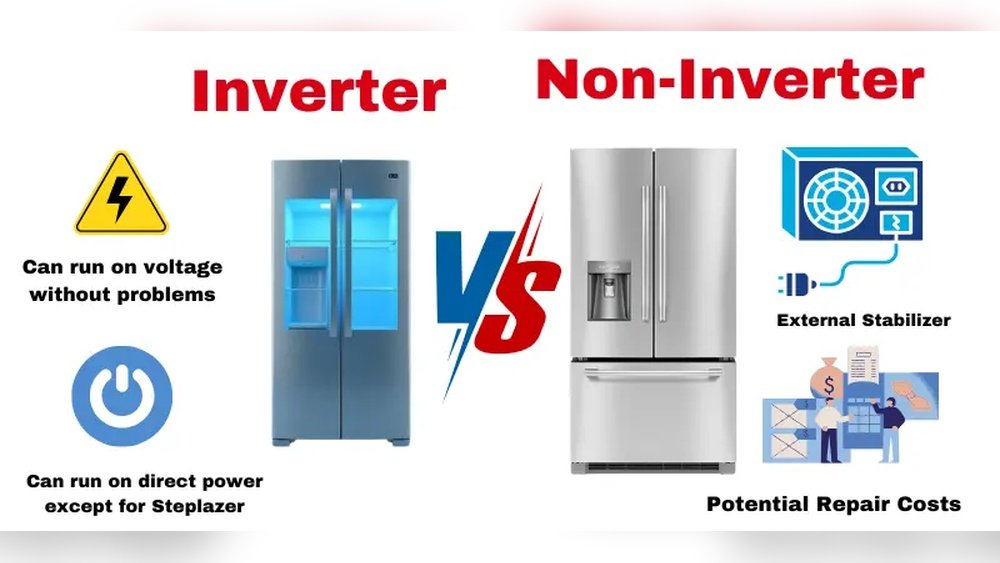
Are you confused about choosing between an inverter and a non-inverter refrigerator? You’re not alone.
Picking the right fridge for your home can feel overwhelming with all the technical terms and options out there. But understanding the key differences between these two types can save you money, energy, and headaches in the long run. You’ll discover how each fridge works, which one fits your lifestyle best, and why it matters for your electricity bill and food freshness.
Keep reading—you’ll soon feel confident making the best choice for your kitchen.
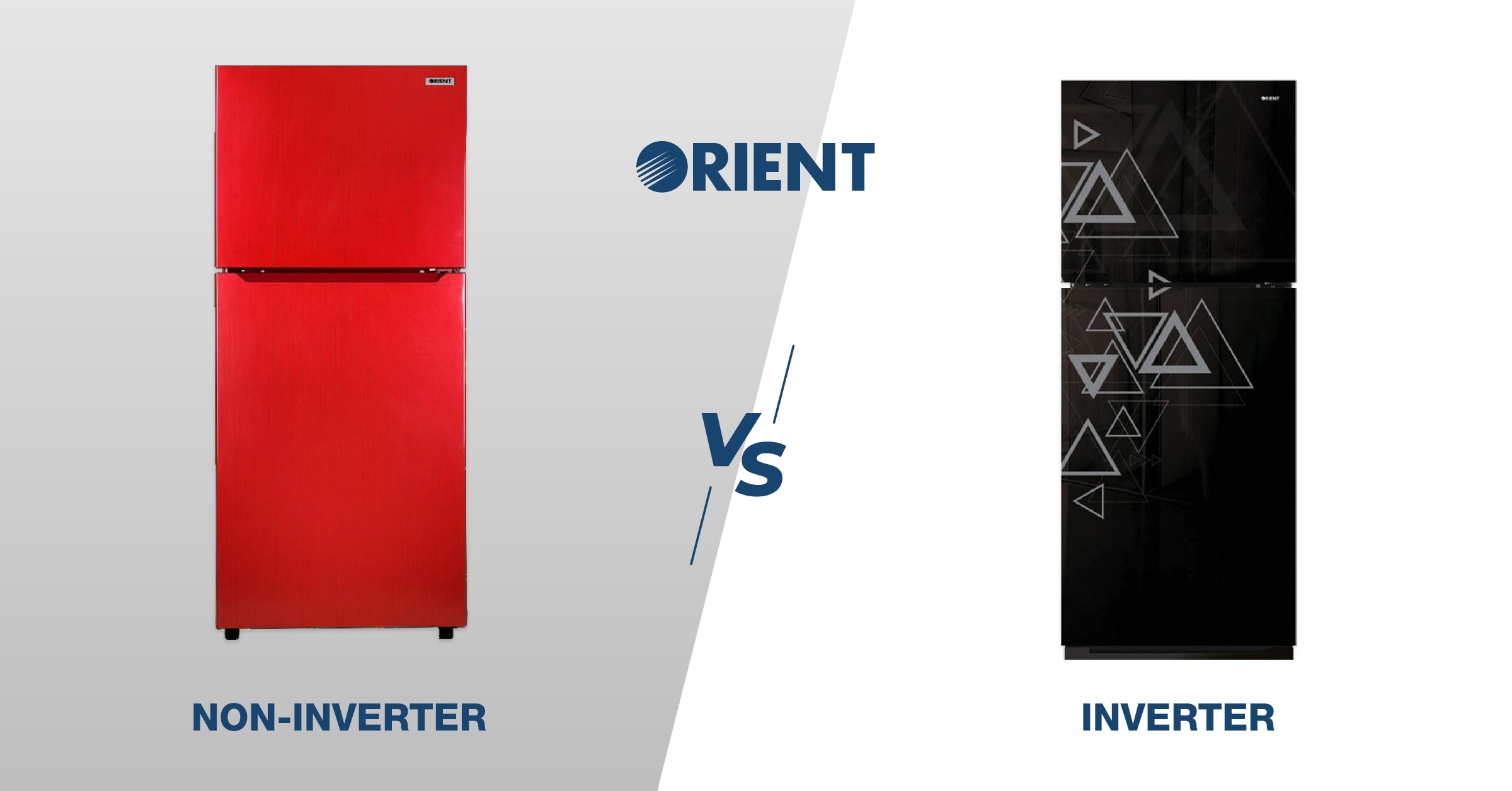
Inverter Refrigerator Basics
Inverter refrigerators use a special type of compressor technology. This technology changes the compressor speed based on cooling needs. It is different from traditional refrigerators with a fixed speed compressor.
This change helps save energy and keeps the temperature steady inside the fridge. It also makes the fridge run more quietly and last longer. Understanding how inverter refrigerators work can help you choose the right appliance.
How Inverter Technology Works
The inverter compressor adjusts its speed. It runs faster or slower depending on the cooling demand. When the fridge needs less cooling, the compressor slows down. When more cooling is needed, it speeds up. This avoids turning the compressor on and off repeatedly.
This smooth operation reduces wear and tear. It also keeps the fridge temperature more stable, which helps keep food fresh longer.
Energy Efficiency Benefits
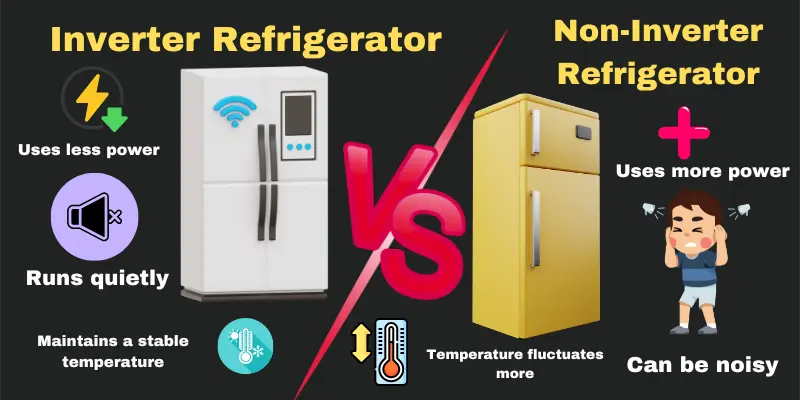
Inverter refrigerators use less electricity than non-inverter models. The compressor does not run at full speed all the time. It only uses the power needed to cool the fridge. This lowers electricity bills and saves energy.
Many inverter refrigerators have energy ratings that show their efficiency. Choosing one can reduce your home’s overall energy consumption.
Noise Levels And Operation
Inverter refrigerators make less noise during operation. The compressor runs smoothly without sudden starts and stops. This reduces the loud humming sounds common in traditional refrigerators.
The quiet operation makes inverter refrigerators ideal for open kitchens or small living spaces. It also creates a more peaceful home environment.
Non-inverter Refrigerator Basics
Non-inverter refrigerators are common in many homes. They have a simple design and work in a straightforward way. Understanding how they function helps you decide if they suit your needs. These refrigerators turn the compressor on and off to keep your food cold.
They are usually less expensive but may use more energy. Their performance and noise levels differ from newer models. Let’s explore how they work, their energy use, and noise behavior.
Working Mechanism
The compressor in a non-inverter fridge runs at full speed. It switches off once the temperature is low enough. When the temperature rises, the compressor starts again at full power. This on-and-off cycle repeats to keep the fridge cold.
This simple method controls temperature but can cause fluctuations inside. The compressor does not adjust its speed based on cooling needs.
Energy Consumption Patterns
Non-inverter refrigerators use more electricity. The compressor always runs at the same speed. Starting the compressor uses a lot of power. Frequent starts and stops increase energy use over time.
The constant switching can lead to higher electricity bills. These fridges are less efficient than inverter types.
Noise And Performance
The compressor’s on-off action creates noticeable noise. It can be louder during startup. Noise levels vary but are generally higher than inverter fridges.
Performance is steady but less smooth. Temperature inside may vary more. Food stays safe, but the fridge may work harder to maintain coldness.
Comparing Energy Efficiency
Energy efficiency is a key factor when choosing between inverter and non-inverter refrigerators. It affects power use and monthly electricity costs. Understanding these differences helps in making a smart choice. Let’s explore how these two types compare in energy efficiency.
Power Usage Differences
Inverter refrigerators adjust their compressor speed based on cooling needs. This means they use less power during low cooling demand. Non-inverter refrigerators run their compressor at full speed until the set temperature is reached. Then, they turn off completely. This on-off cycle uses more power overall.
Inverter models avoid frequent stops and starts. This leads to steady power consumption. Non-inverter models have sudden power spikes when the compressor restarts. These spikes increase total energy use. Therefore, inverter refrigerators generally consume less electricity.
Impact On Electricity Bills
Lower power consumption means inverter refrigerators cost less to run. Your monthly electricity bill will likely be smaller. Non-inverter refrigerators may cause higher bills due to energy spikes. Over time, these extra costs add up.
Choosing an inverter refrigerator can save money in the long run. The initial price might be higher, but energy savings balance it out. Non-inverter models might seem cheaper upfront. But they use more electricity, increasing bills over time.
Performance And Cooling
The performance and cooling of refrigerators are key factors in choosing the right model. Both inverter and non-inverter refrigerators serve the purpose of keeping food fresh. Yet, their way of working differs, affecting how well they cool and maintain temperature.
Temperature Stability
Inverter refrigerators keep a steady temperature. They adjust the compressor speed based on cooling needs. This means less temperature change inside the fridge. Food stays fresh longer because the cold is more consistent.
Non-inverter refrigerators work at full power or turn off completely. This causes more temperature swings. The fridge cools down quickly but then warms up before the compressor restarts. This affects food quality and can waste energy.
Cooling Speed
Non-inverter refrigerators cool fast at the start. The compressor runs at full power to reach the set temperature quickly. After that, it switches off until the temperature rises again.
Inverter refrigerators cool more gradually. They run the compressor at different speeds. This means a slower but steady cooling process. It avoids sudden temperature changes and keeps the fridge energy efficient.
Durability And Maintenance
Durability and maintenance are key factors when choosing a refrigerator. They affect how long the appliance lasts and how much effort you need to keep it running. Inverter and non-inverter refrigerators have different designs, which impact their durability and maintenance needs.
Lifespan Expectations
Inverter refrigerators often last longer than non-inverter ones. Their compressor runs at variable speeds, reducing wear and tear. Non-inverter compressors run at full speed and switch on and off frequently. This constant starting and stopping can shorten their lifespan. On average, inverter models can last up to 15 years, while non-inverter models last around 10 to 12 years.
Common Repairs
Non-inverter refrigerators may need compressor repairs more often. The frequent start-stop cycles cause more stress on parts. Inverter refrigerators have fewer compressor issues due to smooth operation. Both types can have problems with door seals, fans, or thermostats. Regular cleaning and timely checkups help avoid costly repairs and keep refrigerators working well.

Cost Considerations
Cost plays a big role when choosing between inverter and non-inverter refrigerators. Understanding the cost differences helps you decide which fits your budget and needs. This section breaks down the price aspects clearly.
Initial Price Comparison
Non-inverter refrigerators usually cost less upfront. They have simpler technology and fewer parts. Inverter refrigerators are more expensive at the start. The advanced motor and smart controls add to the price. Buyers often see inverter models as a bigger investment.
Long-term Savings
Inverter refrigerators use less electricity over time. They adjust cooling power based on need. This means lower energy bills every month. Non-inverter models run at full power all the time. This leads to higher electricity costs. Over years, inverter fridges save more money despite higher upfront costs.
Which Refrigerator Suits Your Needs
Choosing the right refrigerator depends on your daily needs and environment. Both inverter and non-inverter models have benefits. Understanding your lifestyle and surroundings helps pick the best one. This guide breaks down important factors for your choice.
Lifestyle And Usage Patterns
Think about how often you open the fridge. Inverter refrigerators adjust cooling power based on usage. This saves energy for families who open the door many times a day. Small households or those who rarely open the fridge may not see much difference. Non-inverter models run at full speed or turn off completely. This works well for simple use and lower budgets. Choose based on how active your kitchen is.
Climate And Environment Factors
Hot climates make refrigerators work harder to stay cool. Inverter models handle heat better by changing compressor speed. This means less wear and longer life. In cooler places, non-inverter fridges perform well and cost less. Electricity cost also matters. In areas with high power prices, energy-efficient inverters save money over time. Consider your local weather and power costs when deciding.
Frequently Asked Questions
What Are The Main Differences Between Inverter And Non-inverter Refrigerators?
Inverter refrigerators use variable-speed compressors for energy efficiency. Non-inverter models run at a fixed speed, consuming more power. Inverter types maintain consistent cooling, while non-inverter refrigerators cycle on and off, causing temperature fluctuations.
Which Refrigerator Type Saves More Electricity?
Inverter refrigerators save more electricity by adjusting compressor speed. They consume less power during low cooling demand. Non-inverter refrigerators use more energy due to frequent compressor starts and stops, leading to higher electricity bills.
Are Inverter Refrigerators Quieter Than Non-inverter Ones?
Yes, inverter refrigerators operate quieter. Their compressors run smoothly at varying speeds, reducing noise. Non-inverter refrigerators produce louder sounds from compressor cycling and frequent start-stop actions.
Is The Initial Cost Higher For Inverter Refrigerators?
Yes, inverter refrigerators generally have a higher upfront cost. Their advanced technology and energy efficiency justify the price. However, long-term savings on electricity bills offset this initial investment.
Conclusion
Inverter and non-inverter refrigerators work differently to cool your food. Inverter models save energy by adjusting their speed. Non-inverter refrigerators run at a fixed speed, using more power. Choosing the right type depends on your budget and needs. Think about electricity bills and how often you open the fridge.
Both types keep food fresh, but one uses energy smarter. Now, you can make a clear choice for your home. Understanding these differences helps you buy wisely. Simple and smart decisions matter.

