
When you pick up a chef knife, have you ever wondered why its edge feels just right—or sometimes not? The angle of your knife’s edge can make all the difference in how easily you slice through vegetables, meats, and more.
But what is the ideal chef knife edge angle for home cooks like you? Finding the right angle can boost your cutting precision, make food prep faster, and keep your knife sharper longer. You’ll discover exactly what edge angle suits your kitchen needs and how it can transform your cooking experience.
Keep reading to unlock the secret to mastering your knife skills with confidence.
Chef Knife Basics
Understanding the basics of a chef knife helps home cooks make better choices. A good chef knife feels balanced and sharp. It makes cutting safer and easier. Knowing the types and parts of a knife improves your cooking experience.
Types Of Chef Knives
Chef knives come in several types. The most common is the classic 8-inch chef knife. It suits many kitchen tasks like chopping, slicing, and dicing. Smaller knives, like the 6-inch chef knife, fit better in small hands. Larger knives, such as 10-inch ones, handle big jobs well. Some knives have curved blades for rocking cuts. Others have straight edges for slicing. Choose a type that matches your cooking style and comfort.
Knife Edge Anatomy
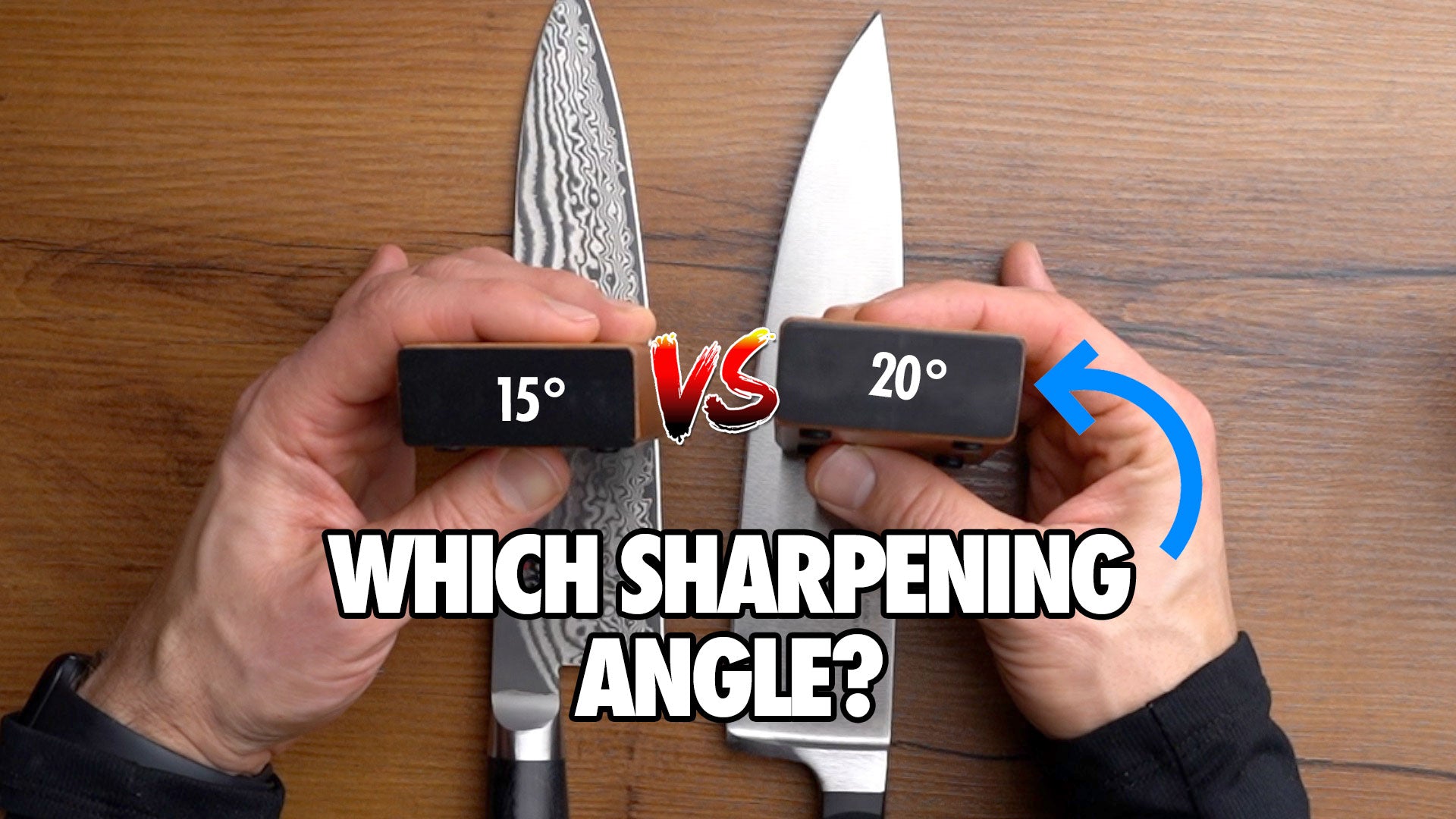
The edge angle of a knife affects its sharpness and durability. The angle is where the blade’s two sides meet. A smaller angle means a sharper edge but less strength. A wider angle offers more durability but less sharpness. Most chef knives have an edge angle between 15 and 20 degrees. Asian knives often have sharper angles, around 15 degrees. Western knives usually have angles near 20 degrees. Knowing edge anatomy helps pick a knife that fits your needs.
Edge Angle Explained
The edge angle of a chef knife is the angle formed between the blade and the sharpened edge. This angle affects how sharp the knife is and how long it stays sharp. Understanding edge angles helps home cooks pick the right knife for their needs. Different angles suit different cutting tasks and materials.
Common Edge Angles
Most chef knives have edge angles between 15 and 20 degrees per side. Japanese knives often have sharper edges around 15 degrees. Western knives usually range from 18 to 20 degrees. Some knives have even wider angles for extra strength. The angle changes how thin or thick the edge feels.
Effect On Sharpness And Durability
A smaller edge angle makes the knife sharper but less durable. Thin edges cut cleanly and smoothly. They work well for soft foods like vegetables and fish. Larger edge angles make the knife stronger and last longer. Thick edges resist chipping and bending. They are best for tougher tasks like cutting meat or bones.
Ideal Angles For Home Cooks
The ideal knife edge angle plays a key role for home cooks. It affects how sharp the knife feels and how long it stays sharp. Choosing the right angle helps you cut smoothly and safely. It also makes knife care easier and less time-consuming. Understanding the right angle can improve your cooking experience.
Different knives have different edge angles. Home cooks need a balance between sharpness and ease of maintenance. The correct angle depends on the knife type and how often you use it.
Balancing Sharpness And Maintenance
A sharper knife cuts better but may dull faster. A wider angle means the edge is stronger but less sharp. Home cooks benefit from an angle that is sharp enough for most tasks. It should also hold its edge longer. This reduces the need for frequent sharpening. A good balance helps avoid frustration in the kitchen.
Thin edges are great for precise cuts but require careful handling. Thicker edges handle tough jobs but may struggle with delicate slicing. Think about what you cook most often. This guides your choice of edge angle.
Recommended Angle Ranges
Most home chef knives work well with an edge angle between 15 and 20 degrees per side. Angles near 15 degrees offer sharpness for slicing fruits and vegetables easily. Edges around 20 degrees add strength for cutting meat and tougher items.
Japanese-style knives often have sharper edges, close to 15 degrees. Western-style knives tend to have angles closer to 20 degrees. Choose an angle based on your knife type and cutting needs.
Keeping your knife in the 15-20 degree range helps maintain good cutting performance. It also makes sharpening simpler and less frequent. This range suits most home cooks well.

Sharpening Techniques
Sharpening a chef knife is key to keeping it effective and safe. A sharp knife cuts easily, reducing accidents. The edge angle affects sharpness and durability. Home cooks must learn proper sharpening techniques to maintain the ideal angle. This helps the knife last longer and work better.
Tools For Angle Control
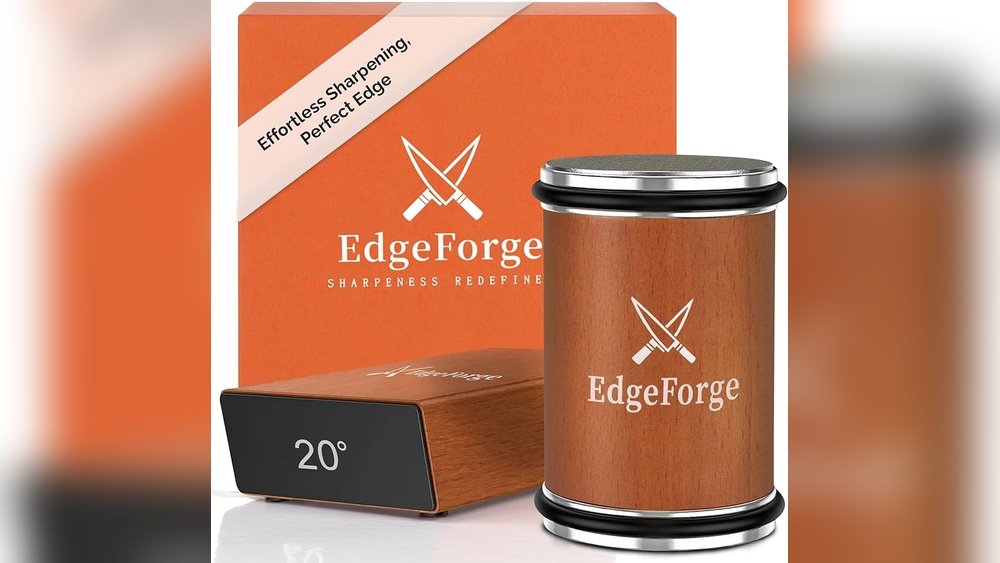
Angle guides help keep a steady edge angle. These small tools attach to the blade or rest on the sharpening stone. They ensure the blade stays at the correct angle during sharpening. Some knives come with built-in angle guides. A simple protractor or a smartphone app can also measure angles. Using these tools makes sharpening easier and more accurate.
Step-by-step Sharpening Guide
Start by cleaning the knife and sharpening stone. Soak the stone in water if needed. Place the stone on a flat surface. Hold the knife at the chosen angle, usually between 15 and 20 degrees. Slide the blade across the stone, moving from heel to tip. Use smooth, even strokes on both sides of the blade. Check the sharpness often by gently feeling the edge. Finish by wiping the blade clean and drying it well.
Tips From Experts
Experts share clear advice on the best edge angle for chef knives. Their tips help home cooks keep knives sharp and easy to use. Understanding these tips improves cutting performance and safety in the kitchen.
Choosing The Right Angle
Most chef knives have an edge angle between 15 and 20 degrees. A 15-degree angle offers a sharper edge but dulls faster. A 20-degree angle lasts longer but cuts less finely. Home cooks benefit from a middle ground of about 17 degrees. This angle balances sharpness and durability well.
Steel type and knife use also affect the ideal angle. Softer steel needs a larger angle to prevent damage. Harder steel can hold a sharper angle longer. Consider the tasks you do most, such as chopping vegetables or slicing meat, when choosing the angle.
Maintaining Edge Performance
Regular honing keeps the edge aligned and sharp between sharpenings. Use a honing rod at the same angle as the knife edge. Avoid using the knife on hard surfaces like glass or stone to keep the edge intact.
Sharpen knives carefully with stones or guides to maintain the correct angle. Sharpening too often can wear down the blade quickly. Clean and dry knives after use to prevent rust and corrosion. Proper care extends the life and sharpness of your chef knife.
Common Mistakes To Avoid
Choosing the right edge angle for your chef knife matters a lot. Many home cooks make simple mistakes that hurt their knife’s performance and lifespan. Avoiding these errors helps keep the blade sharp and safe to use. Here are common mistakes to watch out for.
Over-sharpening Risks
Sharpening too often wears down the blade quickly. It removes too much metal and weakens the edge. This leads to a dull knife faster than expected. Sharpen only when the blade feels dull or struggles to cut. Use gentle strokes to protect the edge.
Ignoring Angle Consistency
Keeping the same edge angle is key to a sharp blade. Changing the angle while sharpening creates an uneven edge. The knife will cut poorly and feel unstable. Use a guide or practice steady hand movements. Consistent angle means a sharper and longer-lasting edge.
Frequently Asked Questions
What Is The Best Edge Angle For Home Chef Knives?
The ideal edge angle for home chef knives is typically 15 to 20 degrees per side. This angle balances sharpness and durability, making it perfect for everyday cooking tasks without frequent sharpening.
How Does Edge Angle Affect Knife Performance?
A smaller edge angle creates a sharper but more fragile blade. A larger angle offers more durability but less sharpness. Choosing the right angle depends on your cutting needs and knife maintenance habits.
Can I Sharpen My Knife At Home To The Ideal Angle?
Yes, you can sharpen your knife at home using angle guides or sharpening stones. Maintaining a consistent 15 to 20-degree angle ensures optimal sharpness and prolongs the knife’s lifespan.
Why Do Professional Knives Have Different Edge Angles?
Professional knives vary in edge angles to suit specific tasks. For example, Japanese knives often have sharper angles for precision, while Western knives have wider angles for heavy-duty chopping and durability.
Conclusion
Choosing the right chef knife edge angle matters for home cooks. A sharper angle cuts better but dulls fast. A wider angle lasts longer but needs more effort. Find a balance that fits your cooking style. Keep your knife sharp and safe.
Practice cutting with care and patience. This way, your knife will perform well every time. Enjoy cooking with confidence and ease.

