
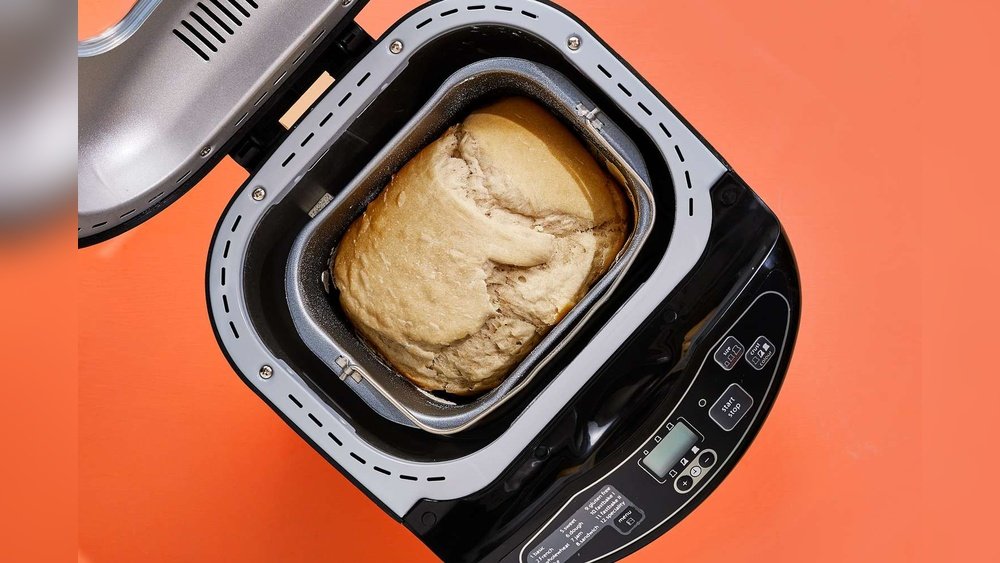
Choosing the right bread maker size can feel tricky. You want one that fits your kitchen, meets your family’s needs, and bakes just the right amount of bread every time.
Picking the wrong size might mean wasting ingredients or running out of fresh bread too quickly. You’ll discover how to find the perfect bread maker size for you. By the end, you’ll feel confident making a choice that saves you time, money, and frustration.
Ready to bake better bread with the ideal machine? Let’s get started.
Choosing Bread Maker Sizes
Choosing the right size bread maker is important for your baking needs. The size affects how much bread you can bake at once. It also influences storage and kitchen space. Understanding common sizes helps you pick the best fit.
Think about how many people you bake for. Small families need smaller machines. Larger families or frequent bakers benefit from bigger sizes. Let’s explore common bread maker sizes and loaf options.
Common Bread Maker Capacities
Bread makers come in various capacities. Small machines usually hold 1 to 1.5 pounds of dough. Medium models can bake 2 pounds. Large bread makers handle up to 2.5 pounds or more.
Smaller capacities suit singles or couples. Medium sizes work well for small families. Large capacities fit big families or groups. Pick a size that matches your baking amount.
Loaf Size Options
Loaf sizes vary by machine capacity. Smaller bread makers make 1-pound loaves. Medium ones bake 1.5 to 2-pound loaves. Large machines create loaves over 2 pounds.
Consider how you use your bread. Small loaves are good for snacks or sandwiches. Large loaves last longer and serve more people. Choose loaf sizes that fit your meal plans.
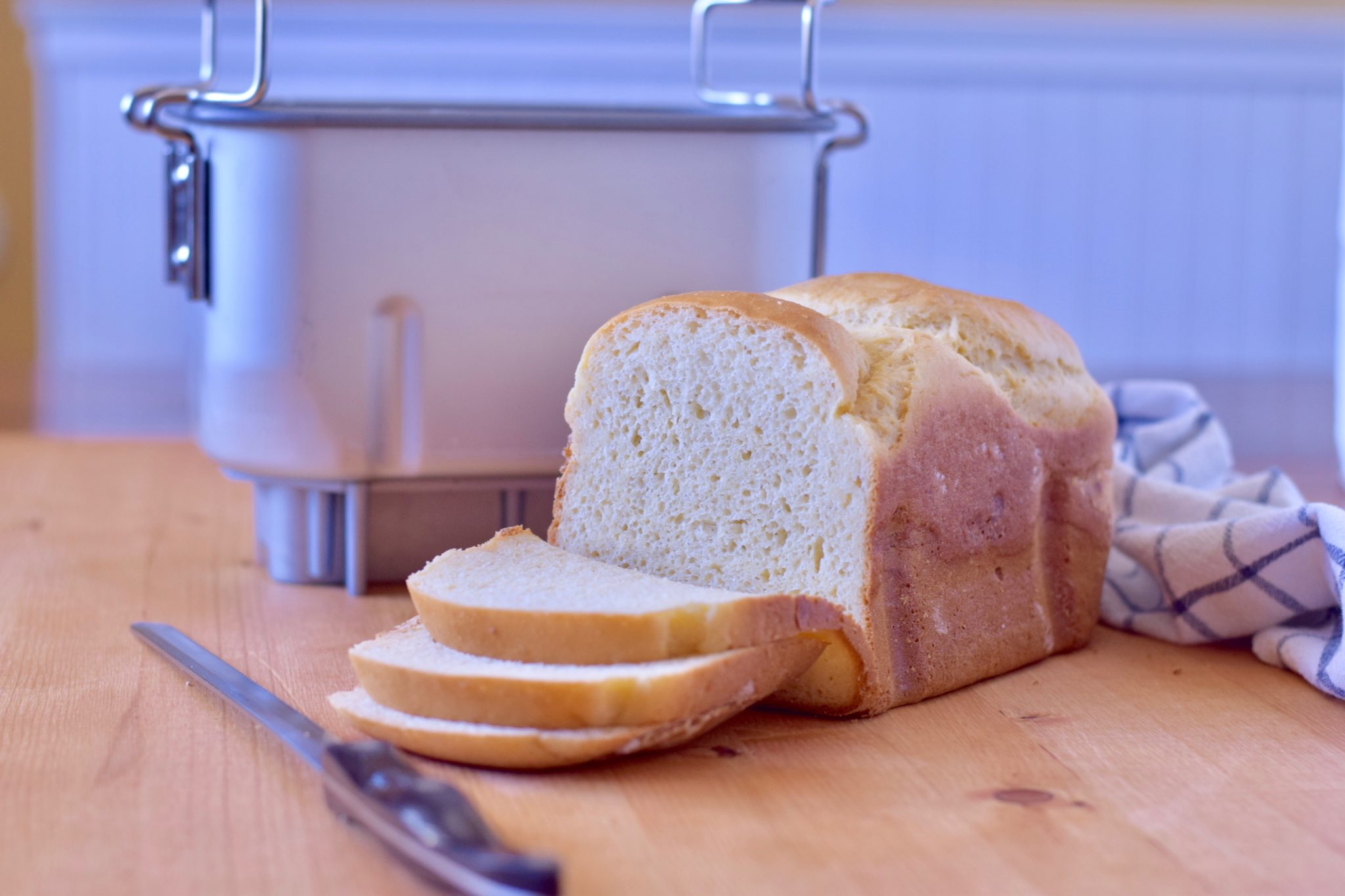
Matching Size To Household
Choosing the right size bread maker depends on how many people eat the bread. Matching the size to your household helps avoid waste and saves space. It also makes baking easier and more efficient. Consider how much bread you eat daily or weekly before buying.
Single Or Couple Needs
For one or two people, a smaller bread maker works well. Machines that bake 1 to 1.5 pounds of bread are enough. They use less flour and energy, making them cost-effective. Plus, smaller machines fit better in tight kitchens. Fresh bread every day without leftovers.
Family Bread Consumption
Families need larger bread makers with 2 to 3 pounds capacity. Bigger machines bake more bread at once. This suits households with three or more members. Larger bread makers also offer diverse baking options. They save time by reducing the number of baking sessions.
Consider Kitchen Space
Choosing the right bread maker size depends a lot on your kitchen space. A large machine may not fit well on a small counter. It can also make your kitchen feel crowded. Measuring your available space before buying helps avoid these problems. Think about where you will keep the bread maker when not in use. Storage space is just as important as counter space.
Compact Models For Small Kitchens
Compact bread makers are great for small kitchens. They take up less counter space and are easy to move. These models often weigh less, making storage simpler. Even with a smaller size, many compact machines bake delicious bread. They fit well in apartments or homes with limited kitchen area. Choosing a compact model helps keep your kitchen neat and organized.
Bulkier Machines And Storage
Larger bread makers offer more features and bigger loaf sizes. They need more counter space and room for storage. Plan where to store the machine when not in use to save space. Bulkier models can be heavier and harder to move. Make sure your kitchen has enough space to use and store a large bread maker comfortably. Consider this before making a purchase.
:max_bytes(150000):strip_icc()/ses-tier-3-primary-best-bread-machines-nsimpson-3351-e24c64fa567e419a822fa17440ff1c53.jpeg)
Types Of Bread And Size Impact
Choosing the right size bread maker depends on the types of bread you want to bake. Different breads need different sizes and capacities. The size impacts how much dough you can prepare at once. It also affects the shape and texture of the bread. Understanding the types of bread helps you pick a suitable bread maker size.
Basic White And Whole Wheat Loaves
Basic white and whole wheat loaves are the most common breads made at home. They usually need a standard bread maker size. Most machines handle 1 to 2 pounds of dough. This size works well for daily bread needs. It is perfect for small families or individuals. The loaves come out well shaped and evenly baked. A mid-size bread maker is enough for these breads.
Specialty Breads And Doughs
Specialty breads like rye, multigrain, or sourdough need more space. These doughs often rise more and require larger pans. Bigger bread makers can handle 2 to 3 pounds of dough. They allow for more ingredients and richer recipes. Specialty doughs like pizza or pasta also need bigger machines. A larger bread maker gives better results for these breads.
Power And Performance Factors
Power and performance play a big role in choosing the right bread maker size. These factors affect how well the machine can handle different dough sizes. They also impact the quality of your bread. Knowing what to expect helps you pick a machine that fits your needs.
Some bread makers have stronger motors to mix and knead larger dough batches. Others focus on consistent baking for perfect texture. Understanding these details makes it easier to decide on the right size and power.
Motor Strength For Larger Loaves
Larger loaves need a motor with good strength. The motor must knead heavier dough without stopping. A weak motor can overheat or fail to mix the ingredients well. This leads to dense or uneven bread. Machines designed for bigger loaves usually have motors rated at higher watts. These motors run longer and handle thick dough better.
Check the motor power rating before buying. A strong motor means reliable kneading for all loaf sizes. This avoids problems like uneven rising or raw dough inside.
Baking Consistency
Consistent baking means the bread cooks evenly every time. Power and performance affect heat control inside the bread maker. A steady temperature helps the dough rise well and bake through. Machines with good heating elements create a nice crust and soft crumb.
Smaller machines may have less even heat distribution. Larger models often have better insulation and heating control. This results in bread with a uniform texture and perfect bake. Consistency in baking is key for tasty, reliable bread.
Budget And Size Correlation
Choosing a bread maker means balancing size and budget. Bigger machines usually cost more. Smaller models save money but make less bread. Think about how much bread you eat each week. This helps pick the right size without spending too much. Budget and size go hand in hand for smart buying.
Cost Differences By Capacity
Small bread makers often cost less. They usually bake 1 to 2 pounds of bread. Medium models bake around 2 to 3 pounds. Large machines can bake 4 pounds or more. Prices rise as capacity grows. Bigger machines need more power and materials. This reflects in the price. Consider how much bread you want. Don’t pay extra for unused space.
Value For Money Tips
Pick a size that fits your needs. A medium bread maker suits most families. Check features, not just size. Some smaller machines have many useful settings. Read reviews to find reliable brands. Look for energy-efficient models to save electricity. Sometimes, a smaller model with good features costs less overall. Avoid buying the biggest model if you bake rarely. This saves money and kitchen space.
Additional Features To Consider
Choosing the right size bread maker is important, but extra features can also affect your experience. These features make baking easier and more fun. Consider them carefully before buying.
Programmable Settings
Programmable settings let you customize your baking process. You can set the bread type, crust color, and baking time. This helps you get fresh bread exactly how you like it. Some machines even allow delayed start. This means you can set it to bake while you are away or sleeping.
These settings save time and give you more control. They also add variety, letting you try different recipes easily. A bread maker with many programmable options is a smart choice for frequent bakers.
Ease Of Cleaning
Cleaning your bread maker should be simple. Look for machines with non-stick pans. These pans prevent dough from sticking and make washing quick. Removable parts are better for cleaning too. You can take them out and wash separately.
Some bread makers have dishwasher-safe components. This feature saves effort and keeps your machine hygienic. Easy cleaning means you will use the bread maker more often. It also keeps your kitchen neat and tidy.
Frequently Asked Questions
What Bread Maker Size Fits A Small Family?
A 1 to 1. 5-pound bread maker is ideal for small families. It produces enough bread for 2 to 3 people. This size saves space and energy. It’s perfect for daily fresh bread without waste.
How Much Bread Does A 2-pound Maker Produce?
A 2-pound bread maker bakes large loaves. It suits families of 4 to 6 members. This size meets higher bread demand. It’s great for meal prepping and gatherings.
Can I Bake Different Loaf Sizes In One Machine?
Many bread makers offer multiple loaf size settings. You can bake 1, 1. 5, or 2-pound loaves in one machine. Check the model’s features before buying to ensure size flexibility.
Does Bread Maker Size Affect Baking Time?
Larger bread makers may require slightly longer baking times. Smaller loaves generally bake faster. Always follow your machine’s manual for precise baking durations.
Conclusion
Choosing the right bread maker size depends on your needs and family size. Small machines suit singles or couples who bake less often. Larger machines fit bigger families or those who bake frequently. Think about how much bread you eat weekly.
Also, consider kitchen space and budget. The right size helps avoid waste and saves money. Take time to compare options before buying. A well-chosen bread maker brings fresh bread to your table often. Easy and convenient.

