

Choosing the right size food dehydrator for your family can feel confusing. You want something that fits your needs without taking up too much space or wasting energy.
But how do you know what size is just right? This guide will help you figure out exactly what you need, so you can enjoy healthy, homemade snacks without any guesswork. Keep reading, and you’ll discover simple tips to pick the perfect dehydrator size that matches your family’s lifestyle and eating habits.
Factors To Consider
Choosing the right size food dehydrator depends on several key factors. These factors help you pick a model that fits your family’s needs perfectly. Understanding them saves money and avoids waste. Consider how your family eats and what foods you want to dry. Think about how often you will use the dehydrator. These points guide you to the best choice.
Family Size And Eating Habits
Start by thinking about how many people live in your home. A larger family usually needs a bigger dehydrator. Small families or singles can use smaller models. Also, consider how often your family eats dried foods. Some families enjoy dried snacks daily. Others may use dehydrated foods only occasionally. Choose a size that matches your typical food use.
Types Of Foods To Dehydrate
Different foods need different amounts of space. Fruits and vegetables require less room than large cuts of meat. Herbs and small items dry quickly and need smaller trays. Meats and large fruits take longer and need more space. Think about what you plan to dry most. This helps decide how many trays or how big a dehydrator you need.
Frequency Of Use
How often you use your dehydrator matters a lot. Frequent users benefit from larger machines with more capacity. Those who use it rarely may choose smaller, simpler models. Using a big dehydrator only once in a while can be wasteful. Consider your routine to avoid extra cost and storage issues.
Dehydrator Capacity Options
Choosing the right size food dehydrator matters. It affects how much food you can dry at once. Different families need different capacities. Understanding these options helps you pick the best fit for your home.
Small Units For Singles And Couples
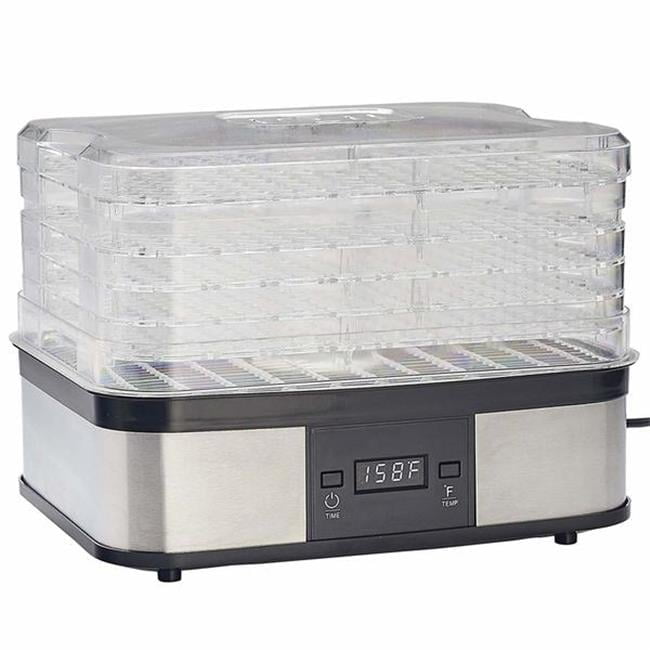
Small dehydrators usually have 4 to 6 trays. These models save space and use less electricity. They suit singles or couples who dry small amounts of food. Ideal for snacks like fruit chips or herbs. Easy to store and handle.
Medium Sizes For Small Families
Medium dehydrators hold about 7 to 10 trays. They offer more space for drying bigger batches. Perfect for families of three to four members. Can handle fruits, vegetables, and meats in one go. Balance between size and capacity.
Large Models For Big Families
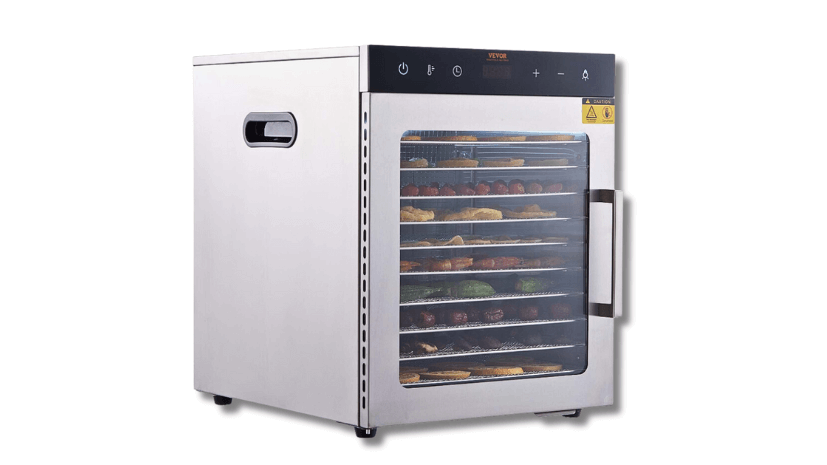
Large dehydrators come with 10 or more trays. Designed for families with five or more people. Great for drying large quantities of food quickly. Useful for preserving food from garden harvests. Often include strong fans and heaters for fast drying.
Tray Size And Number
Choosing the right tray size and number is key to fit your family’s needs. The trays hold the food slices while drying. More trays mean more food at once. The size of trays affects how much food you can dry in one batch. Understanding tray dimensions helps pick a dehydrator that matches your family’s eating habits.
Tray Dimensions Explained
Tray dimensions show the length and width of each tray. Common sizes range from 12 to 16 inches square. Larger trays hold more food but take more space in your kitchen. Smaller trays fit in compact machines but need more batches for big families. Consider the tray area, measured in square inches. More square inches mean more drying space.
Adjustable And Expandable Trays
Some dehydrators come with adjustable trays. You can move or remove trays to fit different food sizes. Expandable trays allow adding extra trays later. This feature is useful for growing families or trying new recipes. Adjustable trays make drying thick or thin slices easier. Expandable trays increase your drying capacity without buying a new machine.
Power And Performance
Power and performance are key factors in choosing the right food dehydrator for your family. These features affect how quickly and evenly your food dries. A good dehydrator saves time and energy. It also keeps food tasty and safe to eat.
Wattage And Drying Efficiency
Wattage shows how much power the dehydrator uses. Higher wattage means faster drying. For a small family, a 300 to 400-watt dehydrator works well. Larger families may need 500 watts or more. Higher wattage helps dry bigger batches evenly. This reduces drying time and energy use.
Temperature Controls
Temperature controls let you set the right heat for different foods. Some foods need low heat to keep nutrients. Others need higher heat to dry faster. Adjustable controls give more flexibility. Simple controls are best for beginners. Precise temperature settings help avoid over-drying or under-drying. This keeps your snacks perfect every time.
Space And Storage
Choosing the right size food dehydrator also means thinking about space and storage. Many families have limited kitchen space. A large dehydrator might be hard to fit or store. Consider where you will keep the machine when not in use. This can help decide the best size for your home.
Countertop Vs. Cabinet Storage
Countertop models stay out and ready to use. They are easy to access but take up space all the time. If your kitchen has a small counter, this might be a problem. Cabinet storage keeps the dehydrator hidden. It frees up your kitchen space. Make sure the dehydrator fits inside your cabinet. Measure height, width, and depth before buying.
Portability Considerations
Think about moving the dehydrator. Some models are light and easy to carry. Others are bulky and heavy. A portable dehydrator is great for small families or those who travel. It also fits better in tight spaces. If you plan to move it often, choose a compact, lightweight model. This adds convenience and saves space.
Budget And Price Range
Choosing the right size food dehydrator depends on your budget and price range. Knowing what you can spend helps narrow down your options. Some models are simple and cost less. Others offer advanced features and cost more. Finding a balance between price and needs is key for your family.
Affordable Options
Affordable dehydrators usually have fewer trays and basic controls. These models work well for small families or beginners. They use less power and take more time to dry food. Simple designs make cleaning easy. You can find good quality dehydrators under $50 to $100. These fit tight budgets without losing function.
Premium Features Worth Investing In
Premium dehydrators come with more trays and better temperature control. They dry food faster and more evenly. Some include timers and digital displays. These features save energy and prevent over-drying. Larger units suit bigger families or frequent use. Prices range from $150 to $300 or more. Spending more can mean better durability and convenience.
Popular Brands And Models
Choosing the right food dehydrator means knowing popular brands and models. These brands offer reliable machines with good features. Many models suit different family sizes and budgets. Understanding options helps pick the best fit for your needs.
Popular brands focus on quality, durability, and ease of use. Some models have adjustable trays and temperature controls. Others offer compact designs or large drying spaces. Knowing top picks for small and large families makes decision easier.
Top Picks For Small Families
For small families, compact dehydrators work well. Nesco Snackmaster Pro is a popular choice. It has five trays and good airflow. It fits easily on kitchen counters. Another option is the Presto Dehydro. It is quiet and simple to use. Both models save space and dry food evenly.
Excalibur offers smaller models too. These have adjustable thermostats and timer controls. They are durable and easy to clean. Perfect for drying fruits, herbs, and small meat batches. These models suit daily use without taking much room.
Recommended Large Capacity Dehydrators
Large families need more drying space. Excalibur 9-Tray model is a top choice. It handles big batches of fruits and vegetables. The timer and temperature settings are easy to control. This model is reliable for heavy use.
Another recommended brand is Tribest Sedona. It offers two trays but large surface area. The digital control panel is user-friendly. It keeps food safe with low heat. Perfect for families who want faster drying.
Cosori also makes large dehydrators with multiple trays. They offer good airflow and quiet operation. These models dry food evenly and quickly. Ideal for bulk food preparation and long-term storage.
Tips For Efficient Use
Using a food dehydrator efficiently saves time and energy. It also helps keep your dried foods fresh and tasty. Simple tips make drying easier and more effective. Follow these ideas to get the best results from your dehydrator.
Maximizing Tray Space
Place food pieces close but not touching. Leave space for air to flow around each piece. Cut larger items into smaller, even slices. This helps them dry evenly and faster. Avoid piling food on top of each other. Use all trays to dry more food at once. Rotate trays during drying for even heat distribution.
Batch Drying Strategies
Dry similar foods together for consistent drying times. Group fruits with fruits and vegetables with vegetables. Start with foods that need longer drying first. Add quicker-drying foods later to avoid over-drying. Make smaller batches to test drying times. This prevents wasting food and energy. Store dried food in airtight containers to keep it fresh.

Frequently Asked Questions
What Size Food Dehydrator Suits A Small Family?
A small family of 2-3 members typically needs a dehydrator with 4-6 trays. This size handles moderate food quantities efficiently without taking much space.
How To Choose A Food Dehydrator For A Large Family?
For 5 or more members, choose a dehydrator with 8 or more trays. It offers ample drying space for bulk food preparation and storage.
Does Tray Size Affect Food Dehydrator Capacity?
Yes, larger trays hold more food, reducing drying batches. Consider tray dimensions alongside tray count for best capacity assessment.
Can I Dry Different Foods At Once In One Dehydrator?
Yes, but foods with similar drying times and temperatures work best together. Mixing can affect drying efficiency and food quality.
Conclusion
Choosing the right food dehydrator size saves time and energy. Small families need compact models to dry small batches. Larger families benefit from bigger units with more trays. Think about how often you will use it. Consider what types of food you want to dry.
A well-sized dehydrator makes snack prep easy and fun. This helps you enjoy healthy treats anytime. Take your family’s needs seriously before buying. That way, you get the best fit and value.

