

Choosing the right refrigerator size can feel confusing. You want something that fits your kitchen perfectly, holds enough food, and doesn’t waste energy or space.
But how do you know what size refrigerator you need? This guide will help you find the perfect match for your home and lifestyle. Keep reading, and you’ll discover simple tips that make picking the right fridge easy—and even enjoyable.
Your kitchen deserves a fridge that works for you, not against you.

Factors Affecting Refrigerator Size
Choosing the right refrigerator size depends on several key factors. These help match the appliance to your daily needs. Understanding these points ensures you buy a fridge that fits your lifestyle. Avoid buying too large or too small.
Household Size
The number of people in your home affects fridge size. A larger family needs more space for fresh and frozen food. Singles or couples may need a smaller fridge. Consider future changes in family size too.
Cooking Habits
How often you cook changes your fridge needs. Frequent cooking means storing many fresh ingredients. This requires more fridge space and organized shelves. Eating out often means less storage is needed.
Storage Needs
Think about what you store in your fridge. Do you keep many leftovers or batch cook? Do you buy groceries weekly or daily? Larger storage space helps keep food fresh longer. Also, consider special sections for drinks or vegetables.
Common Refrigerator Sizes
Choosing the right refrigerator size is key for your kitchen. Common sizes vary based on style and space. Understanding these options helps you pick what fits your needs. Below are popular refrigerator types and their typical sizes.
Compact Refrigerators
Compact refrigerators are small and perfect for tight spaces. They usually hold between 1.7 to 4.5 cubic feet. Ideal for dorm rooms, offices, or small apartments. Easy to move and use for basic storage needs.
Top Freezer Models
Top freezer refrigerators are classic and common. They range from 14 to 22 cubic feet in size. The freezer is above the fridge compartment. This design saves space and offers good storage for most families.
Bottom Freezer Models
Bottom freezer refrigerators have the freezer below the fridge. Sizes often range from 18 to 25 cubic feet. They allow easy access to fresh food at eye level. A popular choice for kitchens with modern layouts.
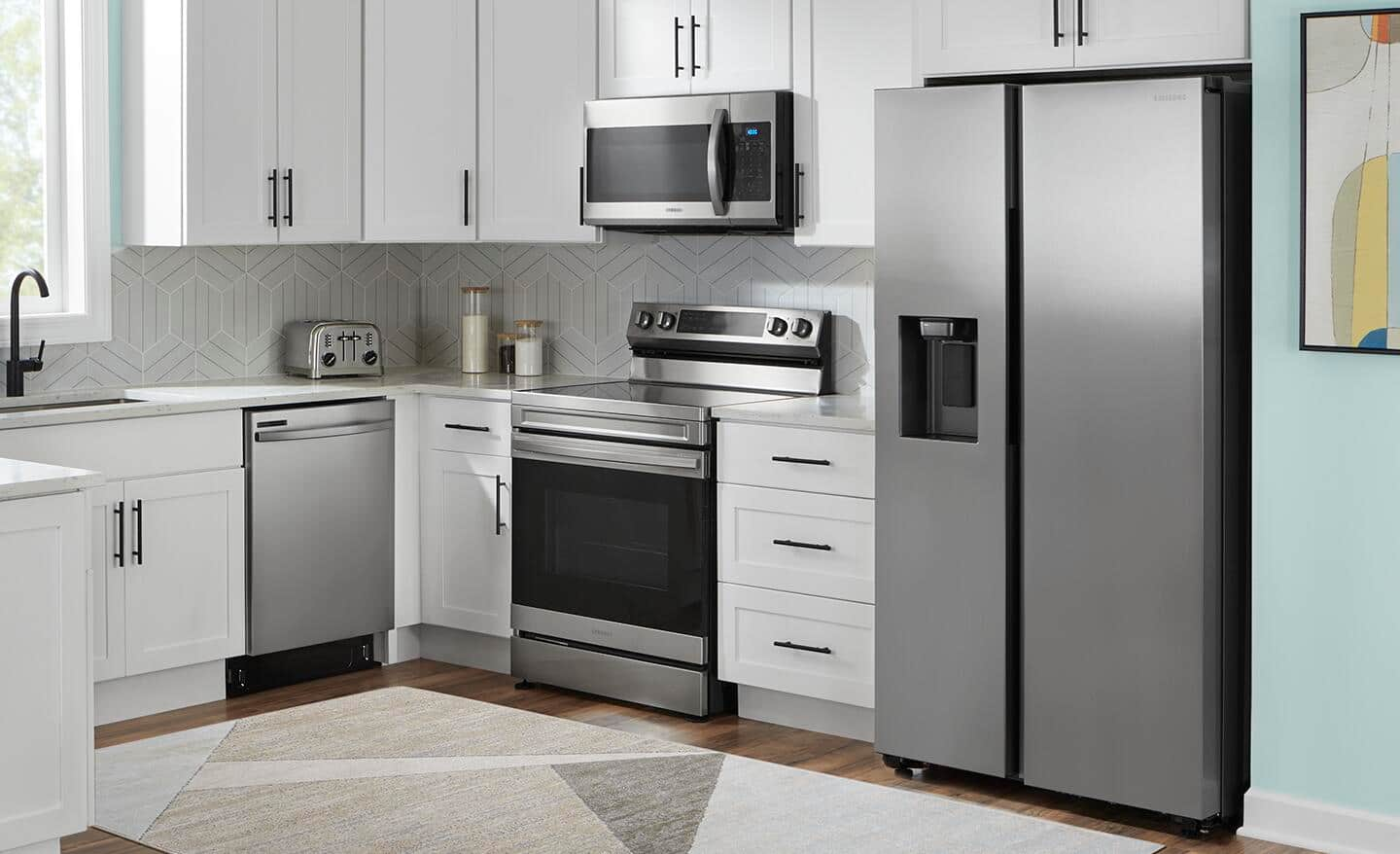
Side-by-side Refrigerators
Side-by-side models split the fridge and freezer vertically. These usually measure 20 to 28 cubic feet. Provide narrow door openings, good for tight kitchens. Offer organized storage with easy reach to both sections.
French Door Refrigerators
French door refrigerators combine style and space. Sizes range from 20 to 30 cubic feet or more. Feature two fridge doors on top and a freezer drawer below. Great for large families and wide kitchens.
Measuring Your Space
Choosing the right refrigerator size starts with measuring your available space. Precise measurements help avoid buying a fridge that won’t fit. Measure the area carefully to ensure the appliance fits well and works efficiently. Keep in mind the space includes width, height, depth, door clearance, and ventilation needs. These details matter for proper installation and everyday use.
Width
Measure the width of the space where the fridge will go. Use a tape measure and record the distance from one side to the other. Allow extra space for opening the doors easily. Check if cabinets or walls limit the width to avoid tight fits.
Height
Measure from the floor to the top of any overhead cabinets or shelves. Make sure the fridge height fits under cabinets without touching. Don’t forget to consider leveling feet or wheels that add to the height. A few extra inches of space help with ventilation and moving the fridge.
Depth
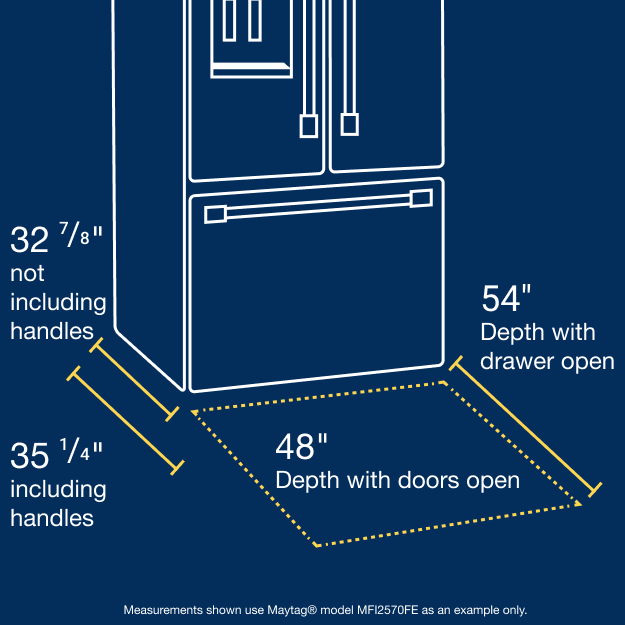
Measure the depth of the space from the wall to the front edge. Include any countertop or cabinet overhangs that might block the fridge. Remember, refrigerators often stick out past counters. Decide if you want the fridge flush or slightly forward.
Door Clearance
Check how much space the fridge doors need to open fully. Measure the distance from the front of the fridge to any nearby walls or appliances. Wide door clearance is important for easy access and cleaning. Think about the direction the door swings and if it blocks pathways.
Ventilation Requirements
Leave space around the fridge for air to circulate. Ventilation prevents overheating and keeps the fridge working well. Check the manufacturer’s guidelines for needed clearance at the back, sides, and top. Avoid pushing the fridge tightly against walls or cabinets.
Capacity And Volume Explained
Understanding refrigerator capacity and volume helps you pick the right size. These numbers show how much food the fridge can hold. Knowing this makes shopping easier and avoids wasted space or crowding. Let’s break down the key terms and ideas.
Cubic Feet Vs Liters
Refrigerator size is often shown in cubic feet or liters. Cubic feet is common in the United States. Liters are used in many other countries. Both measure the inside space where food stays. One cubic foot equals about 28.3 liters. Check the number that fits your usual needs best.
Food Storage Capacity
The capacity tells how much food fits inside the fridge. It includes shelves, drawers, and door bins. Larger families need more space for fresh and frozen items. Singles or couples can choose smaller models. Think about your shopping habits and meal plans.
Balancing Size And Efficiency
Bigger fridges use more energy. Smaller ones save power but hold less food. Choose a size that fits your kitchen and lifestyle. Avoid buying extra space you won’t use. A well-sized fridge keeps food fresh and saves money on bills.
Energy Efficiency Considerations
Choosing the right refrigerator size affects your home’s energy use. Energy efficiency helps save money on bills and protects the environment. Understanding how size and ratings impact energy use guides a better choice.
Energy Star Ratings
Energy Star labels show how efficient a refrigerator is. These models use less electricity than standard ones. Choosing an Energy Star fridge means lower energy bills. It also means less pollution from power plants. Look for this label to find efficient models easily.
Impact Of Size On Energy Use
Bigger refrigerators usually use more energy. More space needs more power to keep cold. But a too-small fridge can waste energy if it runs constantly. Pick a size that fits your needs without extra space. A well-sized fridge balances energy use and storage well.
Special Features Impacting Size
Special features in refrigerators can change the size you need. These features add space inside or outside the fridge. Understanding their impact helps you pick the right size.
Built-in Water Dispensers
Water dispensers need extra space on the fridge door. They make the door thicker and heavier. This can increase the overall width of the refrigerator. You may need more room in your kitchen for the door to open fully.
These dispensers save trips to the sink. But they reduce the storage space inside the door. Consider this if you store many small items in door shelves.
Ice Makers
Ice makers take up freezer space inside the fridge. Some models have large ice bins that reduce freezer capacity. Others may add extra depth to the freezer compartment.
Automatic ice makers need water lines. This can limit where you place the fridge. A larger freezer might be needed to keep enough food.
Adjustable Shelving
Adjustable shelves allow flexible storage. They let you change shelf height and layout. This makes the fridge more useful for big or odd-shaped items.
However, adjustable shelving can add thickness to the fridge walls. The mechanisms and tracks require space. This can slightly increase the fridge’s overall size.
Tips For Choosing The Right Refrigerator
Choosing the right refrigerator size can save space and money. It also keeps your food fresh longer. Knowing what to consider helps pick the best fit for your home.
Focus on your daily habits, future needs, and budget. These tips guide you through the decision process step by step.
Assessing Your Lifestyle
Think about how many people live in your home. Larger families need more storage space than singles or couples. Consider how often you cook or buy groceries. Frequent cooks need bigger refrigerators to store ingredients. Those who eat out often may need less space. Also, check your kitchen size to avoid a crowded area.
Future Needs Planning
Plan for changes in your life that may affect fridge size. Expecting a baby or hosting guests means more food storage. Buying in bulk saves money but requires extra space. Think about your lifestyle over the next few years. Choose a refrigerator that fits both present and future needs.
Budget And Brand Preferences
Set a clear budget before shopping. Refrigerators come in many price ranges. Higher prices often mean better energy efficiency and features. Consider brands known for reliability and good service. Read reviews to find trusted models. Balance cost with quality to get the best value.
Frequently Asked Questions
How Do I Determine The Right Refrigerator Size?
Measure your kitchen space first. Consider your household size and food storage needs. Larger families need bigger refrigerators.
What Refrigerator Size Fits A Single Person?
A compact fridge between 3 to 6 cubic feet works well for singles. It saves space and energy.
How Much Space Does A Family Of Four Need?
Families of four typically need 18 to 22 cubic feet. This size stores more groceries and leftovers efficiently.
Can A Too-large Refrigerator Waste Energy?
Yes, oversized refrigerators consume more electricity. Choosing the right size helps save energy and reduce bills.
Conclusion
Choosing the right refrigerator size matters for your daily needs. Think about your family size and how often you shop. Small fridges fit well in tight spaces and for singles or couples. Larger models suit big families or those who store lots of food.
Don’t forget to measure your kitchen space before buying. The right fit saves energy and keeps food fresh longer. Take your time to decide what works best for you. Your fridge should make life easier, not harder. Simple steps lead to smart choices.

