
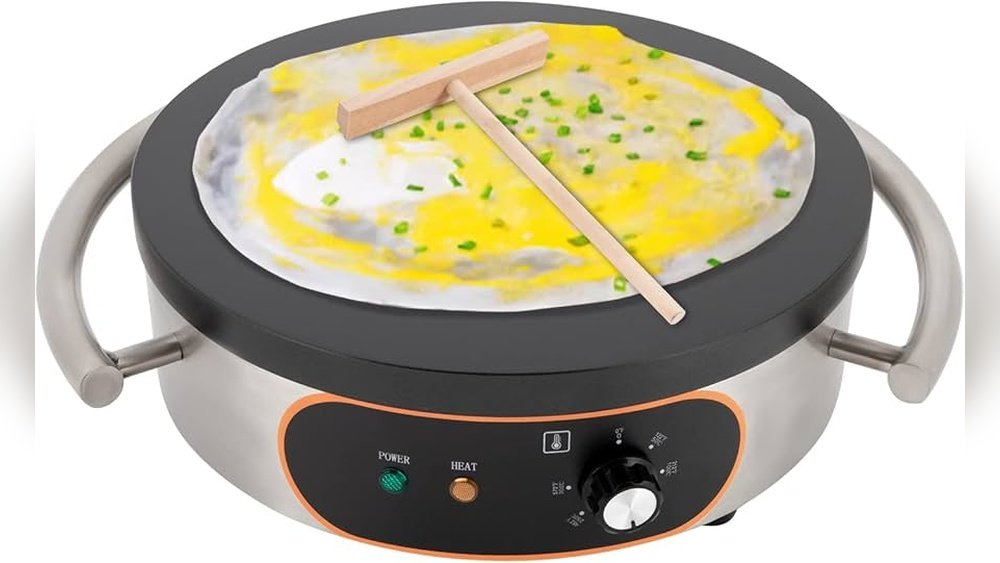
Are you struggling to get your crepes just right on your electric crepe maker? Finding the perfect temperature can feel tricky, but it’s the key to making thin, golden, and delicious crepes every time.
If your crepes turn out too thick, burnt, or stuck, it’s probably because the heat wasn’t set correctly. You’ll discover the exact temperature settings that work best for cooking crepes on an electric crepe maker. Keep reading, and soon you’ll be flipping crepes like a pro!
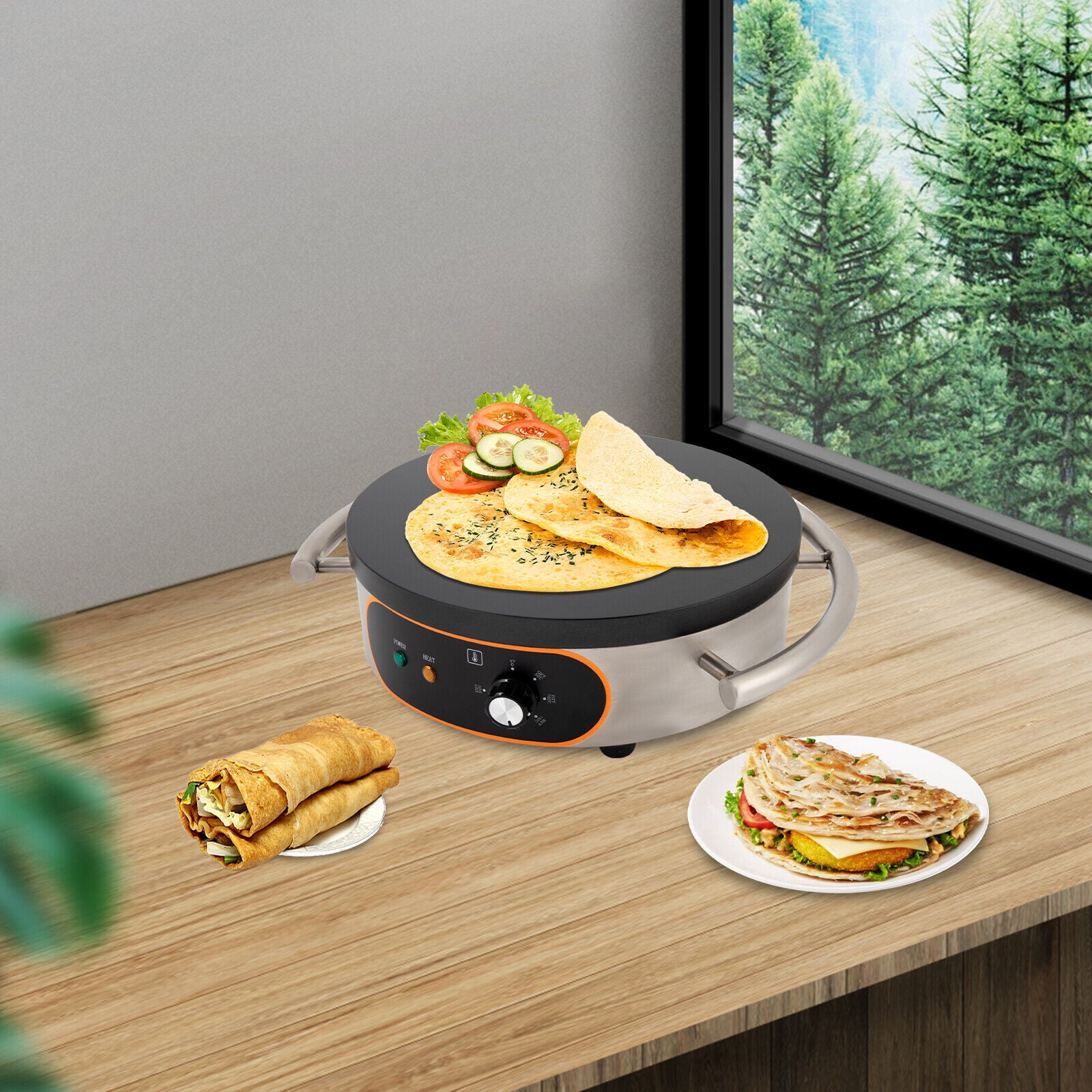
Ideal Temperature Range
Cooking crepes perfectly needs the right temperature. Too hot, they burn. Too cool, they stick and cook slowly. Finding the ideal temperature range helps make thin, golden crepes every time. Electric crepe makers give good control over heat. Understanding this range makes cooking easier and better.
Optimal Heat Settings For Electric Crepe Makers
Most electric crepe makers work best between 350°F and 400°F (175°C to 205°C). This range cooks crepes quickly and evenly. Start at 375°F (190°C) for a good balance. Adjust slightly up or down depending on the batter and crepe thickness. Use a medium-high heat for golden, soft crepes.
Balancing Heat For Even Cooking
Even heat is key to avoid burnt spots or raw batter. Let the crepe maker heat fully before cooking. Spread batter thin and quickly for uniform cooking. If edges cook faster, lower the heat a bit. Rotate or tilt the pan to spread heat evenly. Consistent temperature keeps crepes smooth and tender.
Effects Of Different Temperatures
The temperature setting on an electric crepe maker greatly affects the cooking results. Different temperatures change how the batter cooks and the texture of the crepes. Understanding these effects helps create perfect crepes every time.
Too low or too high temperatures cause common cooking problems. Knowing these issues saves time and ingredients.
Too Low: Under-cooked And Sticky Crepes
Cooking crepes at too low a temperature leads to under-cooked batter. The crepes stay sticky and soft. They can tear easily when flipping. The surface does not brown properly, making them less tasty. Low heat also increases cooking time, which is not efficient.
Too High: Burning And Uneven Cooking
High temperatures burn the crepes quickly. The edges turn dark or black while the center stays raw. The texture becomes tough and crispy in unwanted spots. Uneven heat causes some parts to cook faster than others. This results in poor taste and appearance.
Adjusting Temperature For Batter Types
Adjusting the temperature on your electric crepe maker is key for different batter types. The batter’s thickness changes how heat works on the surface. Knowing the right temperature helps make perfect crepes every time. It avoids burning or undercooking your crepe.
Thin Vs Thick Batter Consistency
Thin batter spreads quickly and cooks fast. Set the temperature lower, around 300°F (150°C), to avoid burning. Thin crepes need gentle heat to stay soft and flexible.
Thick batter takes longer to cook through. Use a medium temperature, near 350°F (175°C), for even cooking. This heat helps the center cook without burning the edges.
Incorporating Fillings And Toppings
Adding fillings or toppings changes the cooking time and heat. Lower the temperature slightly to avoid burning the crepe base. Cook slowly so the filling warms without drying out.
Heavier toppings need more heat to melt or warm. Increase temperature slightly but watch closely. Adjust heat based on the filling’s moisture and texture.

Tips For Temperature Control
Controlling the right temperature is key to cooking perfect crepes on an electric crepe maker. Proper temperature helps the batter cook evenly without burning. It also makes flipping easier and keeps crepes soft and thin. Follow these simple tips to manage your crepe maker’s heat effectively.
Using Temperature Indicators
Many electric crepe makers have built-in temperature lights. These lights show when the surface is hot enough. Wait until the indicator turns on before pouring the batter. This prevents sticking and uneven cooking. If your crepe maker lacks lights, test heat by sprinkling a few drops of water. The water should sizzle and evaporate quickly.
Preheating Best Practices
Always preheat your crepe maker before cooking. Turn it on and let it reach the right heat for about 3 to 5 minutes. Preheating ensures the surface is evenly warm. Avoid adding batter too soon, as cold spots can cause sticking. Keep the temperature steady throughout cooking for consistent crepes.
Troubleshooting Common Issues
Troubleshooting common issues helps you cook perfect crepes every time. Electric crepe makers can have small problems that affect your results. Knowing how to fix these problems saves time and ingredients. The two most frequent problems are crepes sticking and uneven browning. Simple steps fix these easily.
Crepes Sticking To The Surface
Crepes stick when the pan is too cold or not greased enough. Heat the crepe maker to the right temperature before pouring batter. Use a small amount of oil or butter to coat the surface lightly. Avoid thick batter; it can stick more easily. Clean the surface after each crepe to remove leftover bits. Using a non-stick spray can also help prevent sticking.
Uneven Browning And Texture
Uneven browning happens if the crepe maker is too hot or cool in spots. Check the temperature with a thermometer for accuracy. Spread the batter thin and evenly with a spreader tool. Avoid pouring too much batter at once, which causes thick, uneven crepes. Rotate the crepe maker if it heats unevenly. Let the crepe cook fully before flipping for the best texture.

Frequently Asked Questions
What Is The Ideal Temperature For Cooking Crepes?
The ideal temperature for cooking crepes on an electric crepe maker is around 375°F (190°C). This temperature ensures even cooking and a perfect golden-brown finish without burning.
Can I Cook Crepes At Lower Temperatures?
Cooking crepes at lower temperatures slows the process and may cause uneven cooking. It can result in pale, undercooked crepes lacking crisp edges.
How Do I Adjust Temperature For Electric Crepe Makers?
Start with 375°F and adjust based on crepe color and cooking speed. Increase if crepes are pale; decrease if they burn quickly.
Does Temperature Affect Crepe Texture?
Yes, proper temperature creates a thin, tender crepe with slightly crisp edges. Too high or low temperatures lead to rubbery or soggy textures.
Conclusion
Finding the right temperature for cooking crepes is key. Set your electric crepe maker to medium heat, about 375°F (190°C). This warmth cooks crepes evenly without burning them. Too hot, and crepes burn quickly. Too low, and they cook unevenly or stick.
Keep an eye on the first crepe to adjust heat if needed. Practice makes perfect. Soon, you will enjoy thin, golden crepes every time. Simple steps lead to tasty results. Enjoy your cooking!

