
Are you sure your refrigerator is set to the right temperature? It might seem like a small detail, but the temperature inside your fridge can make a big difference.
If it’s too warm, your food could spoil faster. If it’s too cold, some items might freeze and lose their taste. Finding the perfect temperature helps keep your food fresh longer and saves you money. Keep reading to discover exactly what temperature your refrigerator should be set at—and how to check it easily.
Your food and your wallet will thank you!
Ideal Refrigerator Temperature
Setting the right temperature in your refrigerator keeps food fresh longer. It helps stop bacteria from growing and prevents food from spoiling too fast. Knowing the ideal refrigerator temperature saves money and reduces waste. It also keeps your food safe to eat every day.
Recommended Temperature Range
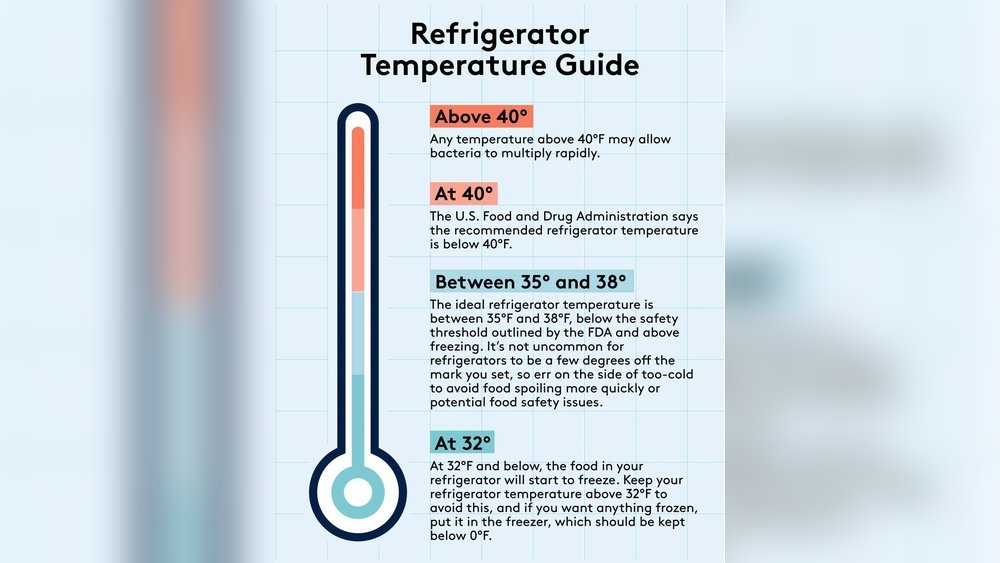
The ideal temperature for a refrigerator is between 35°F and 38°F (1.7°C to 3.3°C). This range keeps food cold enough without freezing it. Temperatures above 40°F (4.4°C) can allow bacteria to grow. Temperatures below 32°F (0°C) may freeze fresh produce and dairy.
Why Temperature Matters
Temperature controls how fast food spoils. Warm air helps bacteria multiply quickly. Cold air slows down bacteria growth and keeps food safe. Proper temperature also maintains food texture and taste. A fridge set too cold wastes energy and can damage food.
Setting Your Refrigerator Temperature
Setting the right temperature in your refrigerator keeps food fresh and safe. It helps avoid spoilage and saves energy. Most refrigerators have a way to adjust the temperature inside. Knowing how to set it properly makes a big difference.
Use the controls to find the best temperature for your fridge. The ideal temperature is usually around 37°F (3°C) to 40°F (4°C). This range keeps food cold but not frozen. Let’s explore how to set your fridge temperature.
Using The Thermostat Dial
Many fridges have a simple thermostat dial inside. This dial often has numbers from 1 to 7 or words like “colder” and “warmer.” Turning the dial changes the fridge’s cooling power.
Set the dial to the middle number first. Wait a day to check if the temperature is right. Adjust the dial up or down in small steps. This helps find the perfect coldness without freezing food.
Digital Temperature Controls
Modern refrigerators use digital controls for more exact settings. You can see the temperature on a small screen. Buttons let you raise or lower the degrees.
Press the up or down button to set the temperature near 37°F (3°C). The fridge will adjust automatically. Digital controls give quick and easy temperature changes.
Factors Affecting Refrigerator Temperature
Several factors affect the temperature inside your refrigerator. These factors can change how cold your fridge feels. Understanding them helps keep your food fresh and safe.
Frequency Of Door Opening
Opening the fridge door often lets warm air in. This raises the temperature inside quickly. Try to open the door only when needed. Close it gently to keep cold air inside longer.
Placement Of Food Items
Where you put food affects fridge temperature too. Cold air flows best at the back and bottom. Keep heavy or large items away from vents. Avoid blocking air circulation to keep all food cool.
Ambient Room Temperature
Room temperature around the fridge changes its inside temperature. Hot rooms make the fridge work harder to stay cold. Place your fridge away from heat sources. This helps keep a steady, cool temperature inside.

Freezer Temperature Settings
Freezer temperature settings are important to keep food fresh and safe. Setting the right temperature helps prevent food spoilage and freezer burn. It also saves energy and keeps your freezer working well. Knowing the correct freezer temperature is key for food storage.
Optimal Freezer Temperature
The best freezer temperature is 0°F (-18°C). This level keeps food frozen solid and safe to eat for a long time. At this temperature, bacteria and mold cannot grow. It also helps maintain the food’s taste and texture.
Setting the freezer colder than 0°F wastes electricity. Warmer than 0°F may cause food to thaw and spoil. Use a freezer thermometer to check the exact temperature often.
Difference Between Fridge And Freezer Settings
The fridge and freezer have different temperature needs. A fridge keeps food cool but not frozen, usually between 35°F and 38°F (1.7°C to 3.3°C). This temperature slows down bacteria growth.
The freezer keeps food frozen at or below 0°F (-18°C). This temperature stops bacteria growth completely. Setting the freezer and fridge at their correct temperatures keeps food safe and fresh longer.
Signs Of Incorrect Refrigerator Temperature
Knowing the signs of incorrect refrigerator temperature helps protect your food. It stops waste and keeps food safe to eat. Your fridge should keep food cold but not frozen. Watch for changes that show the temperature is off.
Food Spoilage Indicators
Food spoils faster if the fridge is too warm. Milk and dairy products may sour quickly. Fruits and vegetables become soft or moldy. Meat can turn slimy or smell bad. These signs mean the fridge is not cold enough.
Too cold temperatures can freeze some foods. Vegetables may get icy and lose texture. Some fruits become mushy after freezing. Keep an eye on how your food looks and feels.
Frost Buildup Issues
Excess frost inside the fridge shows a temperature problem. Frost forms when the fridge is too cold or has high humidity. It can block air vents and reduce cooling.
Frost buildup wastes energy and makes the fridge work harder. It can also cause uneven cooling. Regularly check for frost and defrost if needed.
Tips For Maintaining Consistent Temperature
Maintaining a consistent refrigerator temperature is key to keeping food fresh and safe. Small habits can help your fridge work better and save energy. Use these tips to keep the temperature steady every day.
Regular Cleaning
Clean the fridge coils and vents often. Dust and dirt block airflow and make the fridge work harder. Wipe shelves and walls to prevent mold and odors. A clean fridge cools more evenly.
Avoid Overloading
Do not pack the fridge too full. Air needs space to circulate around food. Overloading blocks cold air and causes warm spots. Leave gaps between items for better cooling.
Check Door Seals
Inspect the rubber seals around the door regularly. Broken or loose seals let cold air escape. This makes the fridge run longer and wastes energy. Replace seals if they are cracked or torn.
Impact Of Temperature On Food Safety
Temperature plays a crucial role in keeping food safe inside the refrigerator. If the fridge is too warm, bacteria can grow quickly. This can cause food to spoil and lead to health risks. Setting the right temperature helps slow down bacterial growth and keeps food fresh longer.
Bacterial Growth And Risks
Bacteria multiply fast between 40°F (4°C) and 140°F (60°C). This range is called the “danger zone.” Food stored in this zone can become unsafe in just a few hours. Harmful bacteria cause food poisoning and stomach illness. Keeping the fridge below 40°F (4°C) stops bacteria from growing well.
Best Practices For Perishable Items
Perishable foods like meat, dairy, and leftovers need cold temperatures. Store them at or below 40°F (4°C) to stay safe. Use airtight containers to reduce contamination. Avoid overcrowding the fridge so cold air can circulate. Check the temperature with a fridge thermometer regularly.

:max_bytes(150000):strip_icc()/RealSimple_refrigerator-temperature_01_preview-8d2cf36eb6064a3c99ed9e920010ba3c.jpg)
Frequently Asked Questions
What Is The Ideal Refrigerator Temperature Setting?
The ideal refrigerator temperature is between 35°F and 38°F (1. 7°C to 3. 3°C). This range keeps food fresh and safe by slowing bacterial growth without freezing items.
Can Refrigerator Temperature Affect Food Spoilage?
Yes, improper refrigerator temperature speeds up food spoilage. Too warm encourages bacteria growth, while too cold can freeze fresh produce, affecting taste and texture.
How Often Should I Check My Fridge Temperature?
Check your refrigerator temperature at least once a week. Use an appliance thermometer for accuracy. Regular checks help maintain food safety and prevent spoilage.
Does Fridge Temperature Impact Energy Consumption?
Yes, setting your fridge too cold increases energy use. The optimal range balances food safety and energy efficiency, reducing electricity bills.
Conclusion
Setting your refrigerator to the right temperature keeps food fresh longer. The ideal range is between 35°F and 38°F (1. 7°C to 3. 3°C). This range stops bacteria from growing quickly. Avoid setting it too cold, which can freeze food.
Too warm, and food spoils faster. Check your fridge’s temperature regularly with a thermometer. Small changes make a big difference. A well-set fridge saves money and reduces waste. Keep your food safe and tasty by keeping the temperature just right.
Simple steps lead to better food storage every day.

