
Are you ever unsure about how hot your beef should get before it’s safe and tasty to eat? Cooking beef to the right temperature isn’t just about avoiding food poisoning—it’s about getting the flavor and texture you want every time.
Whether you like your steak juicy and rare or well-done and firm, knowing the exact temperature to aim for makes all the difference. In this guide, you’ll discover simple tips to cook your beef perfectly, impress your guests, and enjoy every bite without a second guess.
Keep reading, and never wonder about beef temperatures again!
Beef Cooking Temperatures
Cooking beef to the right temperature is key for safety and taste. Different cuts and cooking styles need different temperatures. Knowing these helps you enjoy juicy, flavorful beef every time.
Using a meat thermometer is the best way to check if your beef is done. It gives you an accurate reading and prevents overcooking or undercooking.
Safe Internal Temperatures
Beef must reach a certain temperature to be safe to eat. Harmful bacteria die at these temperatures. The USDA recommends cooking whole cuts of beef to at least 145°F (63°C). After cooking, let the meat rest for 3 minutes. This rest time helps kill any remaining bacteria.
Ground beef needs to be cooked to a higher temperature. It should reach 160°F (71°C) to be safe. This is because grinding spreads bacteria throughout the meat.
Temperature By Doneness Level
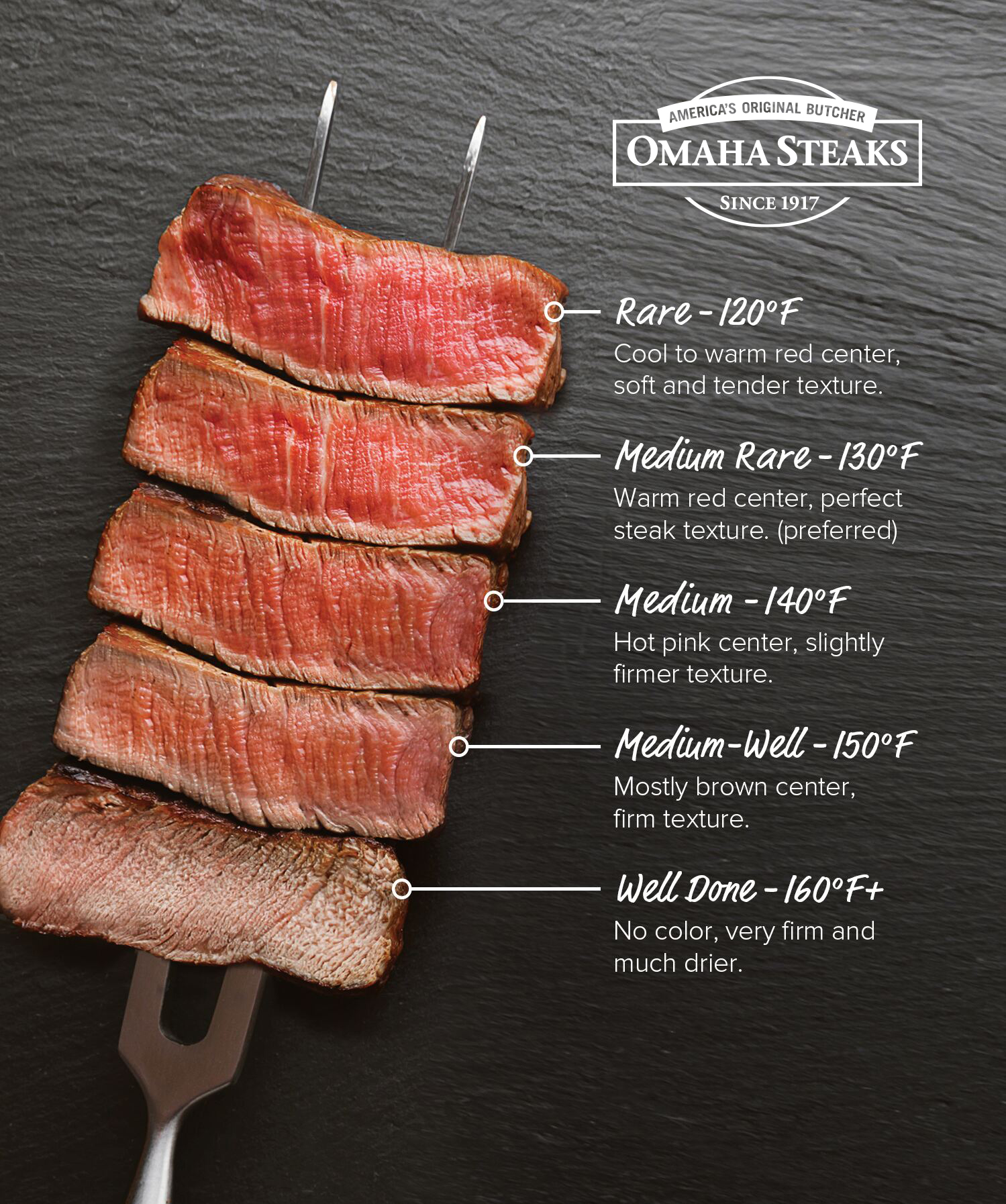
Beef doneness varies by temperature. Here are common levels:
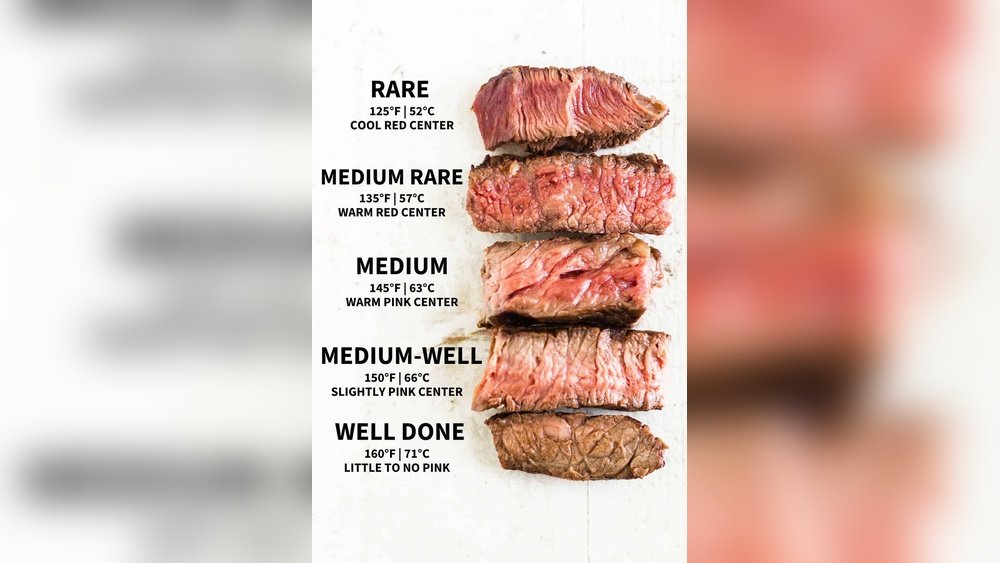
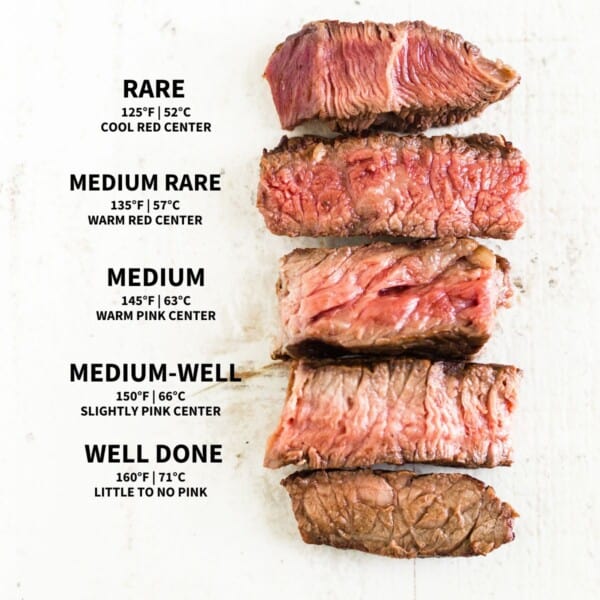
- Rare: 120-125°F (49-52°C) – Cool, red center
- Medium Rare: 130-135°F (54-57°C) – Warm, red center
- Medium: 140-145°F (60-63°C) – Pink center
- Medium Well: 150-155°F (66-68°C) – Slightly pink center
- Well Done: 160°F+ (71°C+) – No pink, fully cooked
Choose the temperature based on your taste. Use a thermometer for best results.
Choosing The Right Thermometer
Choosing the right thermometer is key to cooking beef safely and perfectly. A good thermometer tells you the exact temperature inside the meat. This helps avoid undercooking or overcooking. It also keeps your food safe to eat. Not all thermometers work the same way. Some are faster, some are easier to use. Picking the right one makes cooking easier and better.
Types Of Meat Thermometers
There are several types of meat thermometers. Instant-read thermometers give a quick temperature reading. They are great for checking beef during cooking. Leave-in thermometers stay inside the meat while it cooks. They show the temperature all the time. Digital thermometers often have a display for easy reading. Dial thermometers have a round face and needle pointer. They are simple but slower to read. Choose a thermometer that fits your cooking style and needs.
How To Use A Thermometer Properly
Insert the thermometer into the thickest part of the beef. Avoid touching bone, fat, or gristle. These parts heat differently and give wrong readings. Wait for the thermometer to stop moving or beep. This shows the final temperature. Clean the thermometer after each use to avoid germs. Check the temperature in several spots for accuracy. This ensures the beef is cooked evenly and safely.
Factors Affecting Cooking Temperature
Cooking beef to the right temperature depends on many factors. These factors affect how heat moves through the meat. Knowing them helps achieve the perfect doneness. It also keeps the beef safe to eat. Two main factors are the cut thickness and size, and the cooking method used.
Cut Thickness And Size
Thicker cuts take longer to cook inside. The heat needs time to reach the center. Large pieces need more time than small ones. Thin slices cook quickly and can dry out fast. Thicker cuts allow for a nice crust outside while staying juicy inside. Understanding the size helps choose the right temperature and cooking time.
Cooking Method Impact
Different cooking methods use heat differently. Grilling gives direct high heat, good for thin cuts. Roasting uses indirect heat, better for large cuts. Slow cooking uses low heat over a long time. It makes tough cuts tender. Each method changes how the beef cooks inside. Adjusting the temperature to the method improves flavor and texture.
Tips For Juicy And Tender Beef
Cooking beef to the right temperature is key for juicy and tender meat. Proper techniques help keep moisture inside and make every bite delicious. Small changes in how you cook make a big difference in texture and flavor.
Follow these tips to enjoy beef that is soft and full of taste. Pay close attention to resting time and avoid cooking too long. These steps protect your beef’s natural juices and tenderness.
Resting Time After Cooking
Let beef rest after cooking. This keeps juices inside the meat. When you cut it right away, juices spill out. Resting for 5 to 10 minutes helps the meat stay moist.
Cover beef loosely with foil while resting. This keeps it warm without overcooking. Rest time depends on the size. Bigger cuts need longer resting to keep juices.
Avoiding Overcooking
Cook beef just enough to reach the right temperature. Overcooking dries out the meat and makes it tough. Use a meat thermometer to check the temperature accurately.
Remove beef from heat a little before it reaches the target temperature. Carryover cooking will finish the job. This method keeps the beef tender and juicy.
Common Mistakes To Avoid
Cooking beef to the right temperature can be tricky. Many people make mistakes that affect taste and safety. Avoid these common errors to enjoy juicy, safe beef every time.
Relying On Color Alone
Color is not a reliable sign of doneness. Beef can look pink but still be undercooked. Some cuts stay red even when fully cooked. Use a meat thermometer instead. It shows the true internal temperature.
Ignoring Carryover Cooking
Beef continues to cook after you take it off the heat. This is called carryover cooking. Ignoring it can lead to overcooked meat. Remove beef from heat a few degrees before the target temperature. Let it rest. The temperature will rise a bit more.
Frequently Asked Questions
What Is The Ideal Temperature For Cooking Beef?
The ideal temperature varies by doneness. Medium-rare beef cooks at 130-135°F. Use a meat thermometer for accuracy.
How Do I Check Beef Doneness Accurately?
Insert a meat thermometer into the thickest part. Check the internal temperature to ensure safe cooking.
Can I Cook Beef Well-done Safely?
Yes, cooking beef to 160°F ensures it is well-done and safe to eat without dryness.
Why Does Beef Temperature Affect Taste And Safety?
Proper temperature kills harmful bacteria and retains juiciness, enhancing both taste and food safety.
Conclusion
Cooking beef to the right temperature ensures safety and taste. Use a meat thermometer to check doneness. Different cuts need different temperatures for best results. Rest the beef after cooking to keep it juicy. Cooking beef well helps avoid food illness.
Enjoy your meal with confidence and flavor. Keep these tips in mind for perfect beef every time. Simple steps make a big difference in your cooking.

