
Are you wondering what temperature you should use for dehydrating vegetables? Getting it just right can make all the difference between tasty, crisp snacks and soggy, spoiled veggies.
If you’re new to dehydrating or want to improve your results, knowing the perfect temperature is key. You’ll discover simple tips that will help you dry your vegetables safely and deliciously every time. Keep reading to unlock the secrets of perfect vegetable dehydration!
Ideal Temperatures For Common Vegetables
Dehydrating vegetables preserves their nutrients and flavors. Each type of vegetable needs a specific temperature to dry properly. Using the right temperature helps keep texture and taste. It also prevents burning or under-drying. Below are ideal temperatures for common vegetables.
Leafy Greens
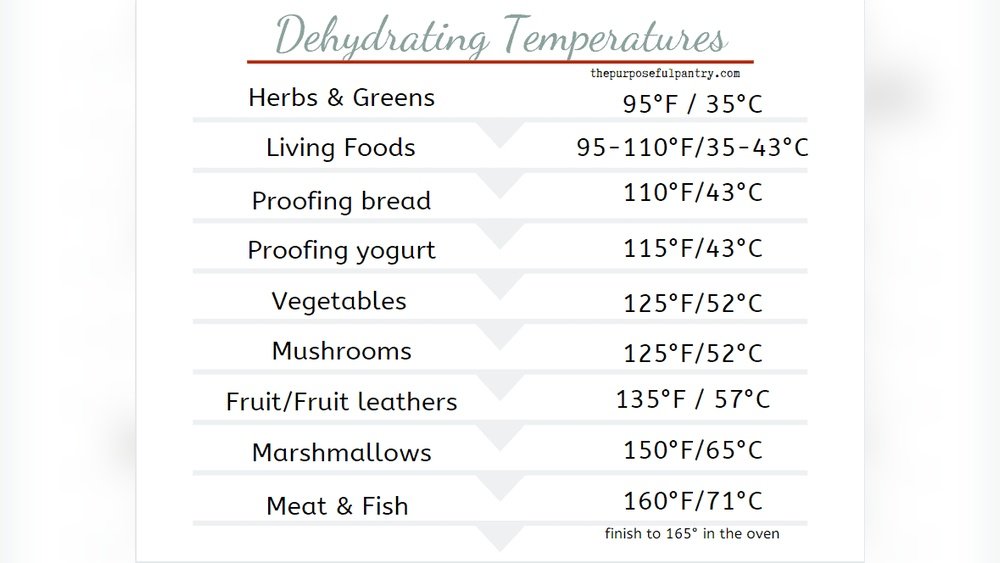
Leafy greens like spinach, kale, and lettuce dry best at 125°F (52°C). This temperature removes moisture gently. It keeps the leaves crispy and green. Drying at higher heat may burn or turn leaves dark.
Root Vegetables
Root vegetables such as carrots, beets, and potatoes need 135°F (57°C). This temperature helps soften tough fibers. It dries the pieces evenly without cooking them. Lower heat can cause long drying times and spoilage.
Fruits And Tomatoes
Fruits and tomatoes dry well at 135°F (57°C). This temperature keeps their natural sweetness. It prevents the loss of color and flavor. Too high heat may cook fruits instead of drying them.
Herbs And Aromatics
Herbs like basil, thyme, and oregano require 95°F to 105°F (35°C to 40°C). Low heat preserves their oils and aroma. Higher temperatures can cause loss of flavor and bitterness. Slow drying keeps herbs fresh and tasty.
Factors Affecting Dehydration Temperature
Choosing the right temperature for dehydrating vegetables depends on several factors. These elements affect how quickly and evenly the vegetables dry. Knowing these factors helps in setting the best temperature for your dehydrator. It also ensures the vegetables keep their taste, color, and nutrients.
Vegetable Thickness And Size
Thicker vegetables need higher temperatures or longer drying times. Thin slices dry faster and at lower temperatures. Large pieces hold more water inside, slowing the drying process. Cutting vegetables evenly helps them dry at the same rate.
Water Content Variations
Vegetables with high water content require more heat or longer drying. Leafy greens and cucumbers have more water than carrots or peppers. High water content can cause uneven drying if temperature is too low. Adjust temperature to remove moisture without cooking the vegetables.
Altitude And Climate Considerations
Altitude changes boiling and drying points. At higher altitudes, water evaporates faster, so lower temperatures might work. Dry climates speed up dehydration, while humid places slow it down. Adjust drying time and temperature based on your location’s climate.
Recommended Temperature Ranges
Choosing the right temperature is key to drying vegetables properly. Different vegetables need different heat levels to dry well. The temperature affects texture, color, and taste. Using the right heat keeps nutrients intact and avoids burning. Below are the recommended temperature ranges for dehydrating vegetables.
Low-temperature Settings
Low heat is gentle and preserves color and nutrients. Set the dehydrator between 95°F and 115°F. Use this for delicate vegetables like herbs, leafy greens, and tomatoes. Drying takes longer but keeps flavors fresh. Ideal for thin slices or small pieces.
Medium-temperature Settings
Medium heat works best for most vegetables. Set the temperature between 125°F and 135°F. Use this for carrots, bell peppers, and green beans. This range dries vegetables faster without cooking them. It balances speed and quality.
High-temperature Settings
High heat speeds up drying but can cook the vegetables. Set between 140°F and 160°F. Use this only for thick or dense vegetables like potatoes and squash. Watch closely to prevent burning. Not recommended for delicate items.
Tips For Effective Dehydration
Dehydrating vegetables can be simple and rewarding. Effective dehydration keeps flavor and nutrients intact. Follow these tips to get the best results. Proper preparation, correct drying times, and storage matter a lot. Each step helps keep your vegetables fresh and tasty for longer.
Prepping Vegetables
Wash vegetables well to remove dirt and pesticides. Cut them into even pieces for uniform drying. Thinner slices dry faster and more evenly. Blanch hard vegetables like carrots or green beans. Blanching stops enzymes that cause spoilage. Let vegetables cool before placing them in the dehydrator.
Avoiding Overdrying
Check vegetables regularly during drying. Overdrying wastes energy and makes veggies too brittle. Dry until vegetables are crisp or leathery, not crumbly. Store a small sample and test texture after cooling. Adjust drying time for future batches based on this. Keeping an eye prevents loss of flavor and nutrients.
Storage After Dehydration
Store dried vegetables in airtight containers. Use glass jars or vacuum-sealed bags to keep moisture out. Keep containers in a cool, dark place to extend shelf life. Label containers with the date and type of vegetable. Proper storage keeps vegetables fresh for months. Check periodically for any moisture or mold.
Common Mistakes To Avoid
Dehydrating vegetables is a simple process, but many beginners make avoidable errors. These mistakes can affect the texture, taste, and safety of the dried vegetables. Avoiding common mistakes helps you get the best results every time.
Using Too High Temperatures
Setting the dehydrator temperature too high can ruin vegetables. It may cook them instead of drying them. This causes loss of nutrients and flavor. Also, high heat can make vegetables tough or burnt. Use the recommended temperature range for each vegetable.
Inconsistent Drying Times
Drying times vary by vegetable type and thickness. Rushing the process leads to moisture inside, causing spoilage. Overdrying makes vegetables brittle and hard to use. Check the vegetables regularly and test for dryness.
Ignoring Airflow
Good airflow is key for even drying. Poor airflow causes uneven drying and mold growth. Arrange vegetables in a single layer without overlap. Clean the dehydrator vents to keep air moving freely.
Tools And Equipment For Best Results
Choosing the right tools makes dehydrating vegetables easier and better. Good equipment helps keep the right temperature and dry vegetables evenly. It saves time and improves the taste and texture of dried vegetables. Knowing the tools needed helps achieve the best drying results.
Types Of Dehydrators
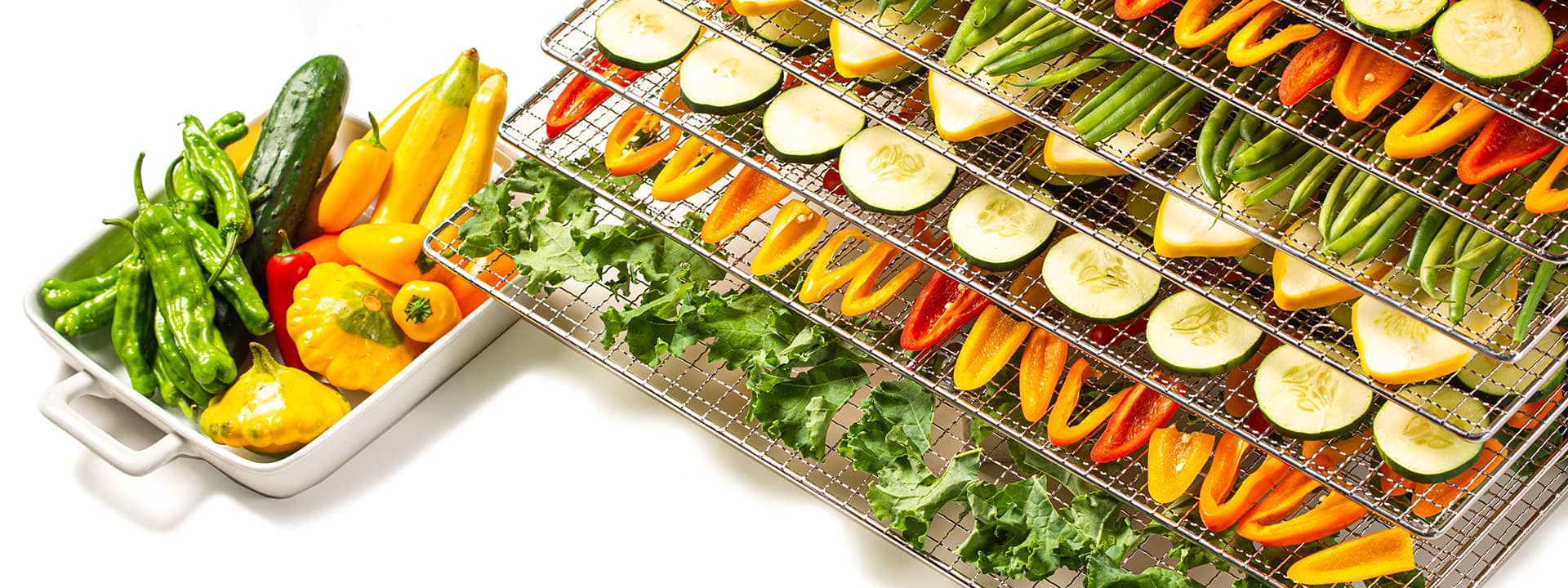
Electric dehydrators are the most common choice. They have fans and heating elements to dry food evenly. Some models have adjustable temperature settings to suit different vegetables. Stackable trays let you dry many vegetables at once. There are also solar dehydrators that use the sun’s heat. They are eco-friendly but depend on weather conditions. Choosing the right dehydrator depends on how often you dry and what vegetables you use.
Thermometers And Timers
Thermometers ensure the drying temperature stays in the right range. Most dehydrators have built-in thermometers, but a separate one gives more accuracy. Timers help track drying time without guessing. They prevent over-drying or under-drying vegetables. Use digital timers for better control. This keeps vegetables safe and retains nutrients during drying.
Alternative Drying Methods
Besides electric dehydrators, there are other ways to dry vegetables. Oven drying uses low heat and good air circulation. Set the oven at 125°F to 135°F for best results. Sun drying is simple but works only in hot, dry weather. Air drying can work for herbs but takes longer for vegetables. Each method needs careful temperature and time control. The right method depends on your tools and environment.
Frequently Asked Questions
What Is The Ideal Temperature For Dehydrating Vegetables?
The ideal temperature for dehydrating vegetables is between 125°F and 135°F (52°C to 57°C). This range preserves nutrients while effectively removing moisture, preventing spoilage, and maintaining flavor and texture.
Can I Use Higher Temperatures To Speed Dehydration?
Using higher temperatures above 140°F can cause uneven drying and nutrient loss. It may also toughen vegetables and reduce quality. Stick to recommended temperatures for best results.
How Does Temperature Affect Vegetable Dehydration Time?
Higher temperatures reduce dehydration time but risk nutrient damage. Lower temperatures take longer but preserve quality. Adjust temperature based on vegetable type for optimal drying.
Should I Adjust Temperature For Different Vegetables?
Yes, leafy greens dry best at lower temperatures around 125°F, while denser vegetables may require up to 135°F. Always follow specific guidelines for each vegetable type.
Conclusion
Choosing the right temperature is key for drying vegetables well. Set your dehydrator between 125°F and 135°F for most veggies. This range keeps nutrients and flavors intact. Drying too hot can cook them. Too low, and they may spoil. Check vegetables often to avoid over-drying.
Store them in airtight containers once dry. This helps keep them fresh longer. With the right temperature, you get tasty, healthy dried veggies every time. Simple steps lead to great results. Happy dehydrating!

