
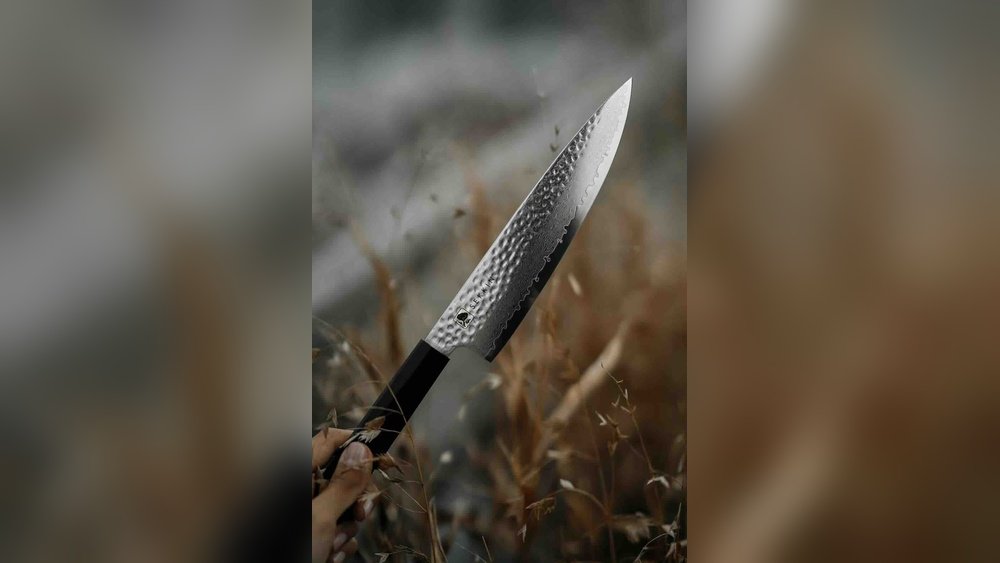
Choosing the right chef knife handle material might seem simple, but it can make a huge difference in your cooking experience. Your knife handle affects comfort, safety, and how well you control each cut.
If you’ve ever felt your hand tire quickly or worry about slipping, the handle material is likely the reason. You’ll discover exactly what to look for to find a handle that fits your grip perfectly and lasts for years. Keep reading to make sure your next chef knife feels just right every time you use it.
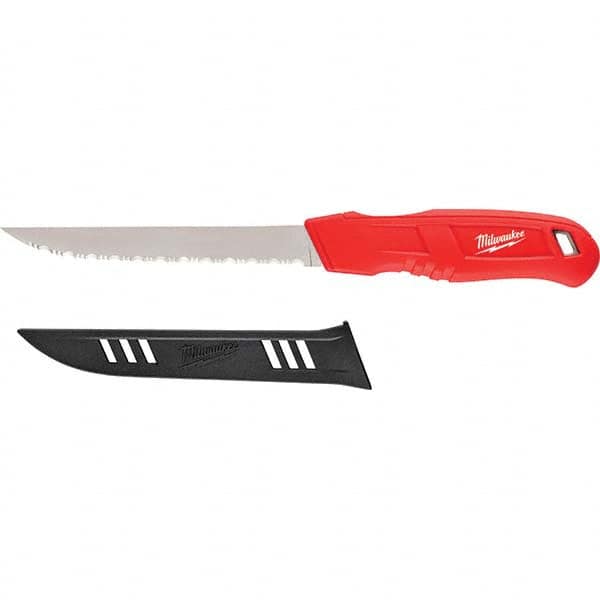
Types Of Handle Materials
Choosing the right handle material for a chef knife is important. It affects comfort, grip, and durability. Different materials offer unique benefits and drawbacks. Knowing these types helps pick the best handle for your needs.
Wood Handles
Wood handles feel warm and natural in your hand. They offer a good grip, even when wet. Many chefs prefer wood for its classic look. Some woods need extra care to avoid cracking or warping. Proper maintenance can keep wood handles lasting for years.
Plastic Handles
Plastic handles are lightweight and easy to clean. They resist water and stains well. These handles usually cost less than wood or metal ones. Plastic can become slippery when wet, so look for textured designs. They are good for casual home cooks.
Composite Handles
Composite handles combine materials like resin and wood fibers. They are strong and resistant to damage. Composites often mimic wood but require less care. These handles offer a solid grip and last a long time. They suit busy kitchens with heavy use.
Metal Handles
Metal handles look sleek and modern. They are very durable and easy to clean. Metal can feel cold and slippery in the hand. Some knives add texture or coating to improve grip. Metal handles are popular in professional kitchens.
Comfort And Grip
Comfort and grip are key when choosing a chef knife handle. A good handle feels natural in your hand. It helps you control the knife with ease. This reduces hand fatigue during long cooking sessions. A solid grip keeps the knife safe to use. The material must support both comfort and control.
Ergonomics
Ergonomics means the handle fits your hand shape well. A well-designed handle supports your fingers and palm. It helps you hold the knife without strain. Rounded or contoured handles often feel better. They reduce pressure points and prevent blisters. Ergonomic handles improve cutting accuracy and comfort.
Slip Resistance
Slip resistance stops your hand from sliding on the handle. Wet or oily hands can make knives unsafe. Textured materials or patterns improve grip. Some handles use rubber or synthetic coatings. These surfaces hold better when wet. Slip-resistant handles keep your grip firm and secure.
Handle Shape
The handle shape affects how the knife feels. Thick or thin handles suit different hand sizes. Some people prefer a straight handle. Others like a curved shape for better hold. A balanced handle helps control the knife. Test different shapes to find what works best.
Durability And Maintenance
Durability and maintenance are key factors in choosing a chef knife handle. The handle must last through frequent use. It should resist damage from water and daily wear. Easy cleaning keeps the handle safe and hygienic. These qualities help the knife stay comfortable and reliable for a long time.
Water Resistance
Water resistance prevents the handle from soaking up moisture. Handles made from materials like plastic, resin, or treated wood resist water well. This stops swelling, cracking, and bacteria growth. A water-resistant handle stays strong and clean even in wet kitchens.
Wear And Tear
Wear and tear means damage from regular use. The handle should resist scratches, dents, and chips. Hard materials like stainless steel or stabilized wood handle wear better. A durable handle keeps its shape and grip over time. This makes cutting safer and more comfortable.
Cleaning Tips
Clean the handle after every use. Use warm water and mild soap. Avoid soaking wooden handles for a long time. Dry the handle quickly to prevent damage. Regular cleaning stops germs and keeps the handle fresh. Proper care makes the knife last longer.
Aesthetic Appeal
The look of a chef knife handle plays a big role in the overall kitchen experience. A beautiful handle can make cooking feel more enjoyable. It also reflects your personal style and taste. The material’s appearance matters as much as its function. A good handle should catch the eye and feel right in your hand.
Color And Texture
Colors can range from natural wood tones to bright synthetic shades. Texture varies from smooth and glossy to rough and matte. Each choice changes the knife’s vibe. Dark wood offers a classic, warm feel. Bright colors add a modern, playful touch. Smooth handles feel sleek but can be slippery. Textured handles give better grip and a rustic look. Choose colors and textures that please you every time you cook.
Matching Kitchen Style
Your knife should blend with your kitchen’s design. Traditional kitchens suit wooden or leather handles. Modern kitchens pair well with stainless steel or resin. Minimalist spaces look great with simple, clean colors. Rustic kitchens call for earthy tones and natural textures. A matching handle creates harmony. It makes your kitchen look well thought out and inviting.
Safety Considerations
Safety is the top priority when choosing a chef knife handle. A safe handle keeps your hand steady and protects you from accidents. The right materials and design make a big difference in how secure the knife feels. Below are key safety points to consider.
Secure Fit
A handle must fit your hand well. A secure fit prevents slipping during cutting tasks. Handles with textured or contoured surfaces offer better grip. Avoid smooth or overly shiny handles that feel slippery. A tight handle reduces the risk of the knife twisting or falling. This keeps your fingers safe and steady while working.
Non-toxic Materials
Choose handle materials that are safe to touch and use around food. Non-toxic materials do not release harmful chemicals. Common safe materials include wood, high-quality plastic, and stainless steel. Avoid handles with cheap coatings or unknown substances. These can cause skin irritation or contaminate food. Always check if the material is food-safe and free from toxins.
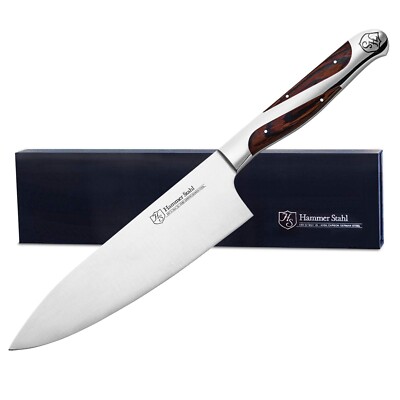
Price And Value
Price plays a big role in choosing a chef knife handle material. It affects your budget and the knife’s overall quality. Finding the right balance between cost and value helps you get the best knife for your money. Handle materials differ in price, durability, and comfort. Understanding these differences makes your choice easier and smarter.
Budget Options
Affordable handle materials include plastic, resin, and basic wood. These materials cost less but still offer good grip and comfort. Plastic handles are light and easy to clean. Resin handles resist water and stains well. Basic wood handles provide a natural feel but need more care. Budget options suit beginners or those who cook occasionally.
Premium Choices
Premium handles use high-quality wood, stainless steel, or composite materials. These handles last longer and feel better in hand. Exotic woods like ebony or rosewood offer beauty and durability. Stainless steel handles are strong and hygienic but can feel cold. Composite materials combine comfort, strength, and style. Premium choices suit serious cooks who want lasting value.
Expert Recommendations
Choosing the right chef knife handle is key for comfort and safety. Experts suggest focusing on materials that feel good in your hand. The handle should offer a firm grip. It should also resist water and wear. This helps the knife last longer and stay safe to use.
Knife handles come in many materials. Some are traditional, others modern. Each has strengths and weaknesses. Knowing the top materials helps you pick the best one.
Top Handle Materials
Wood handles provide a warm, natural feel. They are light and easy to hold. Some woods absorb moisture, so proper care is needed. Hardwoods like pakkawood resist water better.
Plastic handles are common and affordable. They resist water and are easy to clean. Look for high-quality plastics that feel solid and not slippery.
Composite handles combine materials for strength and grip. They often resist heat and moisture well. These handles last long with minimal care.
Metal handles look sleek and are very durable. They can feel cold or slippery. Some have textured surfaces for better grip.
Choosing Based On Usage
Consider how often you cook and your cutting style. For daily use, choose handles that stay comfortable for long periods. A non-slip grip matters for wet or oily hands.
Professional chefs may prefer durable materials that handle heavy use. Home cooks might like lighter, easier-to-maintain handles.
If you cook often with wet hands, water-resistant handles are best. For those who like a classic look, wood is a good choice.
Think about cleaning too. Handles that resist stains and dry quickly save time. This keeps your knife hygienic and ready for the next task.

Frequently Asked Questions
What Materials Are Best For Chef Knife Handles?
The best chef knife handles are made from durable, comfortable materials like wood, plastic, and composite resin. These materials provide a secure grip, resist moisture, and ensure long-lasting performance. Choosing the right handle material improves control and safety during food preparation.
How Does Handle Material Affect Knife Grip?
Handle material impacts grip by affecting texture, comfort, and moisture resistance. Rough or textured materials prevent slipping, while smooth handles may become slippery when wet. A good handle material ensures a secure grip, reducing hand fatigue and improving cutting precision.
Are Wooden Handles Better For Chef Knives?
Wooden handles offer a classic look, natural feel, and good grip. However, they require regular maintenance to prevent cracking or warping from moisture. Wood is ideal for those who prefer traditional aesthetics but may not be as durable as synthetic options.
What Handle Materials Resist Moisture Best?
Synthetic materials like plastic, resin, and micarta resist moisture best. These materials prevent water absorption, reducing the risk of bacteria buildup and handle damage. Moisture-resistant handles are ideal for busy kitchens and frequent washing.
Conclusion
Choosing the right chef knife handle material matters a lot. It affects comfort, grip, and safety during use. Some materials feel warm, others stay cool in your hand. Durability also counts—handles should last through many kitchen tasks. Think about weight and balance too.
A good handle helps you cut with ease and control. Take your time to find what fits you best. A proper handle makes cooking more enjoyable and efficient. Your knife handle is more than just a grip; it’s part of your cooking tool’s performance.

