
Is your refrigerator making strange noises that you just can’t ignore? You’re not alone.
That constant humming, buzzing, or clicking can be annoying and even worrying. But before you panic or call for expensive repairs, it helps to understand why your fridge might be making those sounds. You’ll discover the common reasons behind refrigerator noises and simple steps you can take to fix them.
Keep reading—you’ll learn how to save money and keep your fridge running quietly and smoothly.

Common Refrigerator Noises
Refrigerators make different sounds during normal operation. These noises often cause concern. Understanding common refrigerator noises helps you know what is normal and what might need attention.
Some sounds are harmless, while others can signal a problem. Knowing the types of noises helps you keep your fridge running smoothly.
Humming And Buzzing Sounds
Humming is the most common noise from refrigerators. It comes from the compressor working to keep things cold. A steady, low hum means your fridge is running fine. Buzzing sounds may come from the fan or motor. These noises usually happen when the compressor or fans switch on.
These sounds should not be very loud. Louder humming might mean the compressor is working harder than usual.
Clicking And Popping Noises
Clicking sounds often come from the compressor turning on and off. This is normal as the fridge cycles to maintain temperature. Popping noises happen when parts inside the fridge expand or contract. This is due to temperature changes.
These noises are short and happen at intervals. If clicking becomes very frequent or loud, it may indicate an issue.
Rattling And Vibrating Sounds
Rattling noises come from loose parts or items touching inside the fridge. Vibrations occur when the fridge is not level on the floor. These sounds can be annoying but often have simple fixes.
Check if the fridge is stable and tighten any loose components. Moving items away from the back wall can also reduce noise.

Noises From The Compressor
The compressor is the heart of your refrigerator. It works hard to keep your food cold. Sometimes, it makes noises. These sounds can tell you if your fridge is working well or if there is a problem.
Understanding these noises helps you know when to stay calm and when to call for help. Let’s explore the common sounds from the compressor.
Normal Operational Sounds
The compressor often makes a humming or buzzing noise. This sound means it is running and doing its job. You might hear a low vibration or a gentle clicking as it turns on and off. These noises are normal and usually quiet.
Sometimes, the sound gets a bit louder when the compressor works harder. This can happen when you add a lot of warm food or open the door often. These louder sounds should not last long.
Signs Of Compressor Trouble
Unusual noises may mean the compressor has a problem. Loud knocking, rattling, or grinding sounds are warning signs. These noises can show parts inside are loose or damaged.
If the compressor runs continuously and sounds louder than usual, it may be struggling. A high-pitched whining noise can also mean trouble. These noises suggest the fridge is not cooling properly.
Pay attention to these sounds. Early action can save your fridge from bigger damage.
Issues With The Evaporator Fan
The evaporator fan in your refrigerator plays a key role in keeping food cold. It moves air over the evaporator coils, spreading cold air inside the fridge. Noise from this fan often signals a problem. These issues can affect cooling and increase energy use.
Understanding the common problems with the evaporator fan helps you spot trouble early. Two main causes of noise are fan motor problems and ice buildup. Both can create unusual sounds and reduce fridge performance.
Fan Motor Problems
The fan motor can wear out over time. This causes the fan to make buzzing or grinding sounds. Dust or debris can also block the motor, making it noisy. Loose or damaged fan blades create rattling noises. A failing motor may stop the fan, leading to warm spots inside the fridge.
Regular cleaning and checking the motor can prevent noise. Replacing a broken motor restores quiet operation and proper cooling.
Ice Buildup Effects
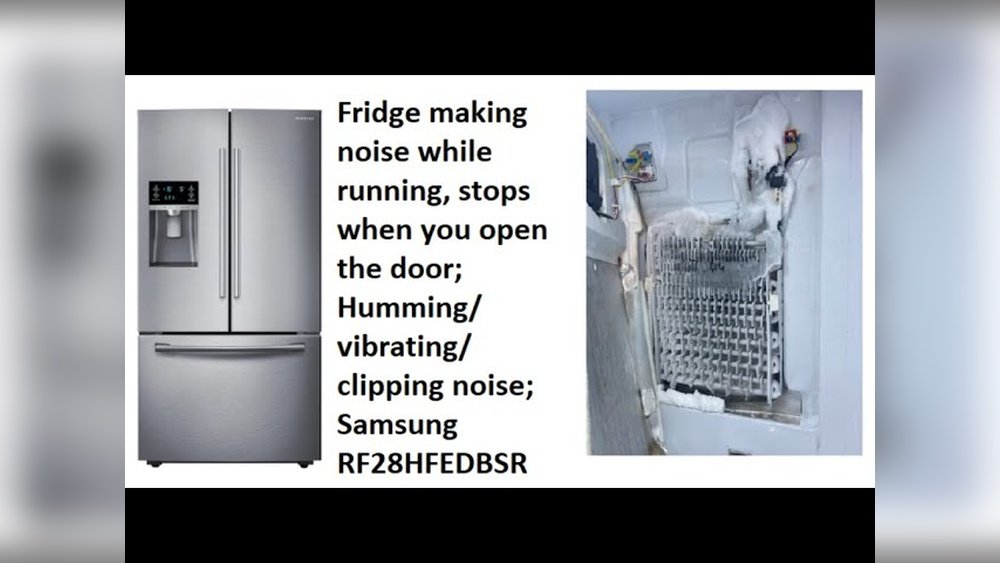
Ice can form around the evaporator fan. This happens when the defrost system fails or if the door seals leak air. Ice blocks the fan blades, causing a loud thumping or humming sound. The fan struggles to spin, which may damage the motor.
Removing the ice and fixing the defrost problem stops the noise. It also helps keep your refrigerator running efficiently.
Condenser Fan Noise
The condenser fan in a refrigerator helps keep the motor cool. It pushes air across the condenser coils to remove heat. This fan often runs quietly but may start making noise over time. Understanding why the condenser fan makes noise helps you fix the problem faster.
Dust And Debris Impact
Dust and debris can build up on the condenser fan blades. This buildup makes the fan wobble and create noise. Dirt can also block the fan motor, causing it to work harder. Cleaning the fan regularly stops dust from causing loud sounds.
Worn Out Fan Bearings
Fan bearings allow the blades to spin smoothly. Over time, these bearings can wear out or dry up. Worn bearings cause grinding or squealing noises. Replacing old bearings restores quiet and smooth fan operation.
Water Dripping And Gurgling
Water dripping and gurgling sounds inside your refrigerator are common noises. These sounds often come from normal operations, but sometimes they point to small problems. Understanding why these noises happen helps you keep your fridge working well. Most times, the cause is related to water flow inside the fridge.
Drainage System Blockages
The drainage system removes water from inside the fridge. If the drain hole or tube gets blocked, water cannot flow out properly. This causes water to pool and drip inside the fridge. The dripping sound comes from water trying to find a way out. Blockages happen due to food particles, ice, or dirt. Cleaning the drain hole regularly stops this noise. Keep the drainage path clear to avoid water buildup and dripping sounds.
Defrost Cycle Sounds
The defrost cycle melts frost build-up inside your fridge. When frost melts, water drips into a drain pan below the fridge. This causes gurgling or dripping sounds. These noises are normal and happen every few hours. The sound stops once the melted water drains fully. The defrost cycle keeps your fridge cold without frost damage. Listen for regular dripping and gurgling as a sign of a working defrost system.
Loose Or Damaged Parts
Loose or damaged parts inside your refrigerator can cause strange noises. These sounds may come from shelves, drawers, or door components that are not secure. Parts that shift or rub against other areas create rattling, buzzing, or clicking noises. Checking these parts can help find the noise source quickly.
Shelves And Drawers
Shelves and drawers often move slightly during normal use. Over time, screws or clips may become loose. Loose shelves can vibrate or knock against the fridge walls. Drawers that do not slide smoothly may create scraping sounds. Tightening screws or adjusting shelves can stop these noises. Broken or cracked parts may also cause noise and need replacement.
Panels And Door Seals
Panels inside the fridge may come loose or bend. This causes rattling or humming noises when the fridge runs. The door seals can wear out or become loose too. Loose seals can flap, making noise when the door closes. Damaged seals may cause cold air leaks and increased noise. Pressing panels firmly or replacing seals can reduce sounds.
External Factors Causing Noise
Sometimes, the noise from your refrigerator is not caused by the fridge itself. External factors can make your fridge sound louder or unusual. These outside issues often go unnoticed. They can create vibrations or sounds that seem like they come from the refrigerator. Understanding these external causes helps you find the true source of the noise.
Uneven Flooring
Uneven floors make your refrigerator unstable. The fridge may rock or tilt slightly. This movement causes parts to rub or knock against each other. The compressor and fan can vibrate more on an uneven base. Placing a small piece of wood or a shim under the fridge legs can stop this noise. A level surface makes your fridge work quietly and safely.
Nearby Appliances Interference
Other appliances near your fridge can cause noise interference. Washing machines, dishwashers, or dryers create vibrations and sounds. These sounds travel through walls and floors into your kitchen. They may mix with the fridge noise and seem louder. Moving appliances apart or adding soundproof pads can reduce this effect. Isolating the fridge from other noisy devices helps keep it quiet.
When To Call A Technician
Knowing when to call a technician for your noisy refrigerator can save you time and money. Some noises are normal, but others mean a serious problem. Ignoring strange sounds could lead to bigger repairs later.
Understanding the signs helps you decide the right moment to get professional help. This section explains key warning signals that need a technician’s attention.
Persistent Loud Noises
Loud noises that do not stop are a clear warning. Continuous banging, grinding, or humming sounds can mean parts are failing. These noises often come from the motor, compressor, or fan. A technician can find the exact cause and fix it safely. Do not wait until the noise gets worse. Early repair protects your fridge and home.
Signs Of Electrical Issues
Electrical problems are serious and need expert care. Flickering lights inside the fridge or power that goes on and off may show electrical faults. Burning smells or sparks near the power cord also need urgent inspection. These issues can be dangerous and cause fire. Call a technician immediately to check wiring and parts. Safety comes first with electrical concerns.
Frequently Asked Questions
Why Is My Refrigerator Making A Loud Humming Noise?
A loud humming noise often comes from the compressor running. It means your fridge is cooling properly. However, if it’s unusually loud, the compressor or fan might need cleaning or repair.
What Causes Clicking Sounds In A Refrigerator?
Clicking sounds usually come from the start relay or compressor. It signals the fridge is turning on and off. Frequent clicking may indicate a faulty relay or compressor needing professional check.
How Can I Stop My Fridge From Buzzing?
Buzzing can be caused by the evaporator fan or condenser fan motor. Clean the coils and fans regularly. If buzzing persists, fan motors may require replacement.
Is A Rattling Noise Normal In Refrigerators?
Rattling noises are often caused by loose parts or items inside. Check and tighten screws or move items away from vibrating surfaces. Persistent rattling might need technician inspection.
Conclusion
Noises from your refrigerator can signal small or big problems. Checking the source helps you decide what to do next. Sometimes, cleaning the coils or adjusting the fridge stops the sound. Other times, calling a repair expert is best. Keeping your fridge quiet means it works well and saves energy.
Pay attention to unusual noises to avoid bigger issues later. A calm fridge makes your kitchen a better place. Stay alert and care for your appliance to keep it running smoothly.

