
Most patio heater issues stem from fuel, ignition, or blocked burners—simple checks often fix them.
I’ve worked on dozens of outdoor heaters and helped homeowners and restaurants get warm nights back. This guide to Patio Heater Troubleshooting gives clear steps, safety tips, and quick fixes you can use today. I explain causes, show how to diagnose problems, and share real-world tips from hands-on experience so you waste less time and stay safe.
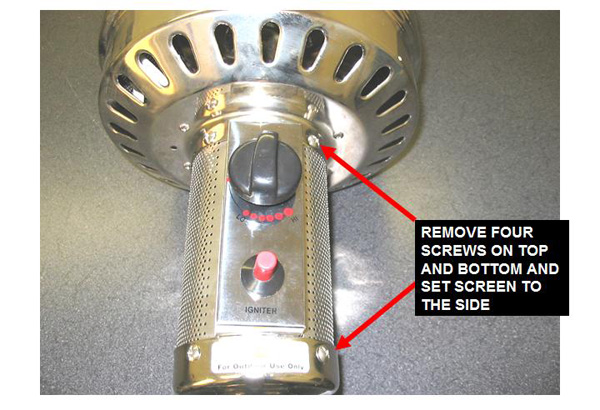
Common problems and what causes them
Patio Heater Troubleshooting starts with knowing common faults. Many failures come from fuel supply, ignition parts, or buildup on burners. Weather damage, loose wiring, and aged regulators also cause cold nights. Understanding these causes makes troubleshooting faster and safer.

Why does my heater not light?
A heater that won’t light usually has a fuel flow or ignition problem. Check the propane tank and regulator, and inspect the pilot or igniter for debris.
Why does my heater smell like gas?
A gas smell often means a leak in the hose, regulator, or connection. Turn the fuel off and test connections with soapy water for bubbles.
Safety first: essential checks before you start troubleshooting
Always put safety first during Patio Heater Troubleshooting. Turn off the gas or power before touching parts. Work in a well-ventilated area and keep a fire extinguisher nearby. Wear gloves and eye protection if you disassemble burners or the ignition system.
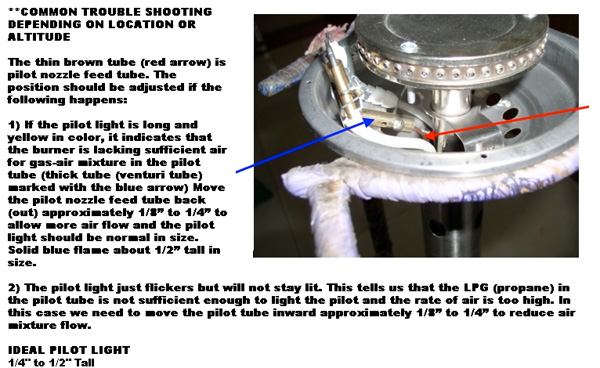
Step-by-step Patio Heater Troubleshooting guide
Follow this order to find the root cause fast. Each step is short and clear. Use basic tools: adjustable wrench, multimeter, soapy-water spray, and a small brush.
- Check the fuel source
- Confirm the propane tank is not empty.
- Ensure the valve is open and the tank is upright.
- Replace or refill the tank if pressure is low.
- Inspect the regulator and hose
- Look for cracks, kinks, or corrosion on the hose.
- Use soapy water on connections to spot leaks.
- Replace a damaged regulator or hose.
- Test the igniter and pilot
- Listen for clicking when you press the igniter.
- If no click, check the battery or wiring on electronic igniters.
- Clean pilot openings with compressed air if clogged.
- Clean burners and ports
- Remove the burner cover and brush away debris.
- Clear blocked ports with a soft wire or needle.
- Rusted burners may need replacement.
- Check the thermocouple and safety switches
- A faulty thermocouple can shut off gas flow.
- Test continuity with a multimeter.
- Replace a failing thermocouple or HSI (hot surface igniter).
- Assess electrical components
- For electric patio heaters, check the plug, outlet, and breaker.
- Test the switch and wiring for continuity.
- Replace faulty elements or controls.
- Final test and observation
- Reassemble and light the heater outdoors.
- Watch flame pattern; it should be steady and blue.
- If flames are yellow or sputtering, stop and re-evaluate fuel and air mix.
Patio Heater Troubleshooting becomes routine after a few checks. Keep a notepad of what you tried. This helps if you call a technician.

Electrical vs. gas heaters: specific fixes
Patio Heater Troubleshooting differs by fuel type. Know which system you own and use the proper steps.
Gas heaters
- Focus on fuel, regulator, hose, pilot, and burners.
- Common parts to replace: thermocouple, regulator, hose assembly.
Electric heaters
- Focus on power supply, wiring, switches, and heating element.
- Reset breakers and test outlets before swapping parts.
Mixed systems
- Some patio heaters combine electric controls with gas burners.
- Inspect both systems and follow manufacturer guidance.
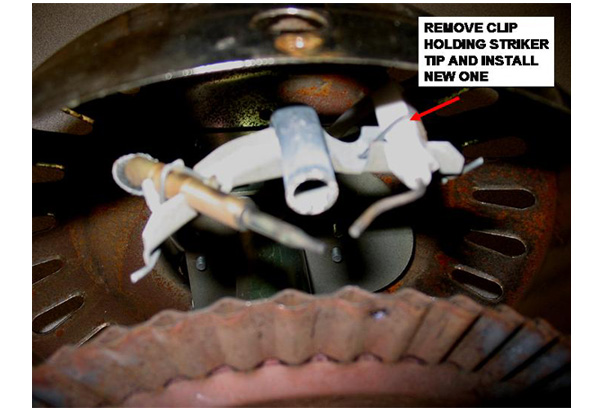
Source: azpatioheaters.com
Maintenance tips to prevent future issues
Regular care reduces the need for Patio Heater Troubleshooting. A few habits go a long way.
- Clean burners every 3 months to prevent clogs.
- Store propane tanks upright and away from direct sun.
- Cover heaters when not in use to limit moisture and rust.
- Schedule professional checks annually for commercial units.
- Replace worn hoses and connectors promptly.
From personal experience, a simple monthly wipe and quick light test stopped repeat visits from customers. Preventive care saves money and avoids cold evenings.

Troubleshooting checklist (quick reference)
Use this checklist during Patio Heater Troubleshooting to stay organized.
- Fuel level checked and valve open.
- Regulator and hose inspected for leaks.
- Igniter/pilot cleaned and tested.
- Burners free of debris and rust.
- Thermocouple and safety switches functioning.
- Electrical supply and switches tested.
- Final flame check for stable blue flame.
Keep this sheet near your outdoor gear. It speeds up fixes and helps technicians if you call for help.

Frequently Asked Questions of Patio Heater Troubleshooting
What should I do if my patio heater clicks but won’t light?
If the igniter clicks but the heater won’t light, check the gas flow and pilot or burner ports for blockage. Clean the area and ensure the regulator is delivering pressure.
How do I test for a propane leak safely?
Turn off the tank and spray soapy water on connections; bubbles show a leak. If you find a leak, shut everything off and replace the faulty part.
Can I fix a rusted burner myself?
Minor rust can be cleaned with a wire brush, but heavily corroded burners should be replaced for safety. Always follow manufacturer parts and instructions.
Why is my heater flame yellow instead of blue?
A yellow flame usually means incomplete combustion from blocked ports or wrong gas-air mix. Turn off the heater, clean the burners, and check the regulator.
When should I call a professional for patio heater repairs?
Call a pro if you detect major leaks, damaged regulators, or if electrical parts fail after basic checks. Professionals can handle complex fixes and safety inspections.
Conclusion
Patio Heater Troubleshooting is mostly about clear checks and safe steps. Start with simple fixes like checking fuel and cleaning burners. Move to parts testing only after you cut power or gas. My main takeaway: regular care prevents most problems and saves time. Try the checklist, follow safety steps, and share your results or questions below to get more help.

- OSIPOTO 2LB Bread Maker Troubleshooting - September 14, 2026
- Turbochef Troubleshooting - September 14, 2026
- OSIPOTO Bread Maker Machine Review: Honest Take 2026 - September 13, 2026

