
Most gas hot water heater problems can be diagnosed and often fixed with simple checks.
I have spent years servicing and troubleshooting gas hot water heaters. This guide walks you through clear, safe steps for Gas Hot Water Heater Troubleshooting. I explain how these heaters work, show common causes of failure, share tools and safety tips, and provide step-by-step fixes you can try. Read on to gain practical confidence and avoid costly service calls when possible.

How a Gas Hot Water Heater Works and why troubleshooting helps
A gas hot water heater burns natural gas or propane to heat water in a tank. A thermostat senses water temperature and signals the gas valve and burner to run. The pilot light or electronic ignition starts the burner. A vent or flue removes exhaust gases safely.
Understanding these parts makes Gas Hot Water Heater Troubleshooting easier. If a heater won’t heat, leaks, or makes noise, you can find the likely cause faster. This helps you decide when to fix it yourself and when to call a pro.
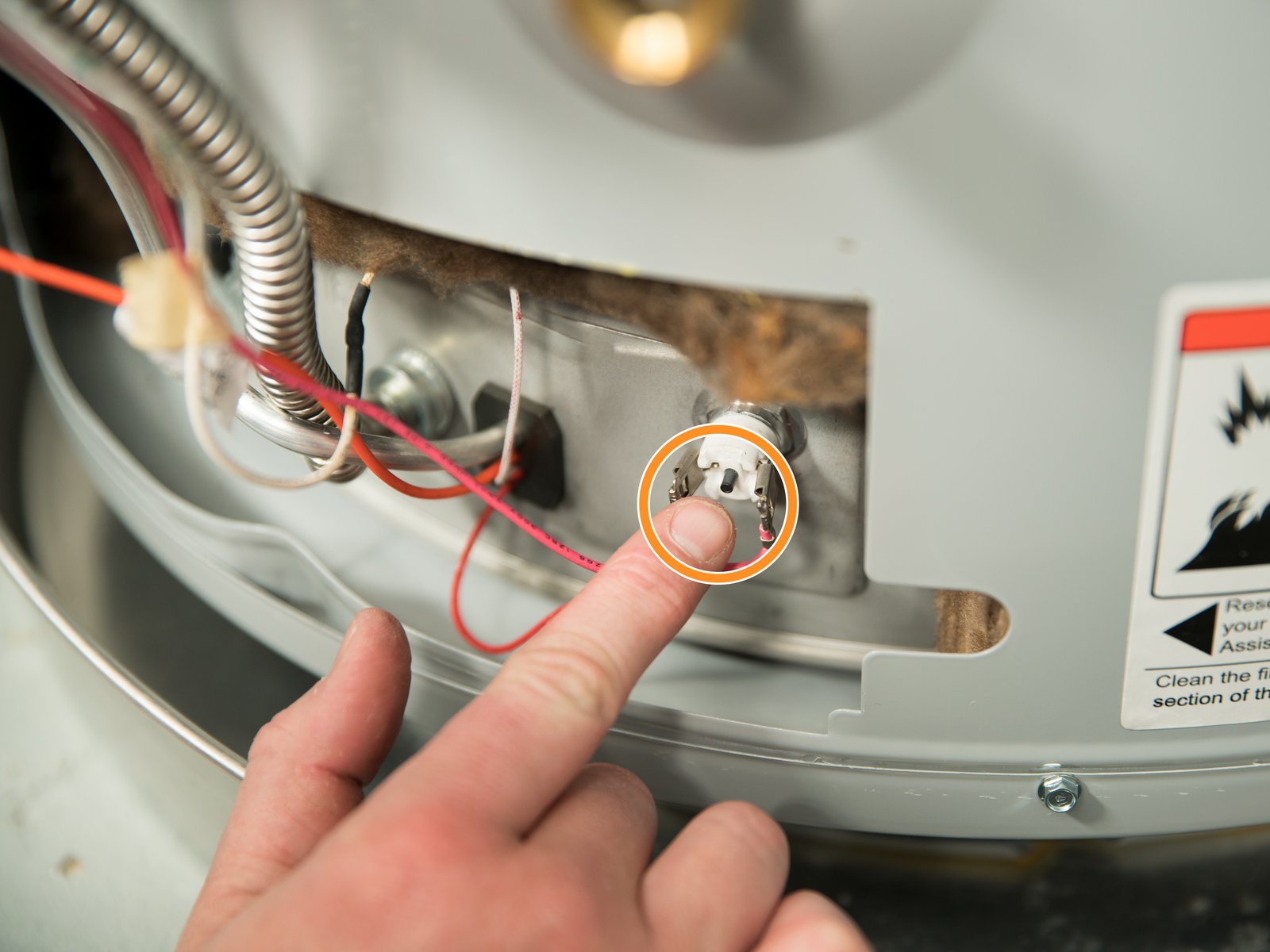
Common problems and causes for gas hot water heaters
Many issues are easy to spot. Below are the most frequent problems and their usual causes.
- No hot water
- Pilot light out, gas supply off, faulty thermocouple, or failed gas control.
- Not enough hot water
- Small tank, bad dip tube, or thermostat set too low.
- Water too hot
- Thermostat set too high or a stuck gas valve.
- Strange noises
- Sediment build-up, scale on the heat exchanger, or water hammer.
- Smelly or rusty water
- Corroded anode rod, tank corrosion, or bacterial growth.
- Leaks
- Loose fittings, pressure relief valve failure, or tank corrosion.
Spotting the likely cause speeds up Gas Hot Water Heater Troubleshooting. I will cover how to check each of these next.
:max_bytes(150000):strip_icc()/reasons-gas-water-heater-not-working-5212987-hero-fe6b82a59053421c88b7d13ea311d3c5.jpg)
Tools, safety, and preparations for troubleshooting
Safety first. Working on gas appliances carries risk. Always follow safe practices.
- Turn off the gas at the supply valve before doing anything.
- Turn off power to electronic ignition models.
- Ensure the area is well ventilated.
- Use a multimeter, adjustable wrench, flashlight, and a replacement thermocouple or gas control if needed.
- Keep a fire extinguisher nearby and a gas detector if you can.
If you smell gas strongly, leave the building and call your gas company. Never try to repair gas lines unless you are trained and certified. These steps make Gas Hot Water Heater Troubleshooting safer and clearer.

Step-by-step Gas Hot Water Heater Troubleshooting guide
Follow these ordered checks. Work from simple to complex. Stop and call a professional if you feel unsafe.
- Confirm the problem
- Check if there is no hot water, not enough hot water, or odd noises.
- Note any error codes on electronic control panels.
- Check the gas supply and pilot/ignition
- Make sure the gas valve at the heater is open.
- For pilot models, relight the pilot per the label instructions. For electronic ignition, check power and reset.
- Inspect the pilot assembly and thermocouple
- A weak pilot flame or a dirty thermocouple often causes shutdowns.
- Clean the pilot or replace the thermocouple if the pilot won’t stay lit.
- Test the gas control valve and thermostat
- If the burner won’t fire but the pilot is okay, the gas control may be bad.
- Measure continuity on electrical components and replace defective parts.
- Check for sediment and flush the tank
- Sediment reduces efficiency and causes noise.
- Drain a few gallons from the drain valve until clear water flows, or fully flush the tank annually.
- Inspect the anode rod and internal corrosion
- A failing anode rod lets the tank corrode and cause leaks or rusty water.
- Replace the rod if heavily corroded.
- Test the temperature and pressure relief valve
- Lift the lever briefly; water should flow and stop when released.
- Replace if it leaks continuously or fails to open.
- Address water quality and dip tube issues
- A broken dip tube mixes cold and hot water and reduces hot water supply.
- Replace the dip tube if hot water runs out fast.
- Reassemble and test
- Restore gas and power. Light pilot or enable ignition per instructions.
- Observe the heater for correct operation and leaks.
These steps cover most DIY Gas Hot Water Heater Troubleshooting scenarios. Always document what you tried and the results before contacting a professional.
Advanced issues and component repair
Some faults need deeper diagnostics and special parts. Know your limits.
- Gas valve replacement
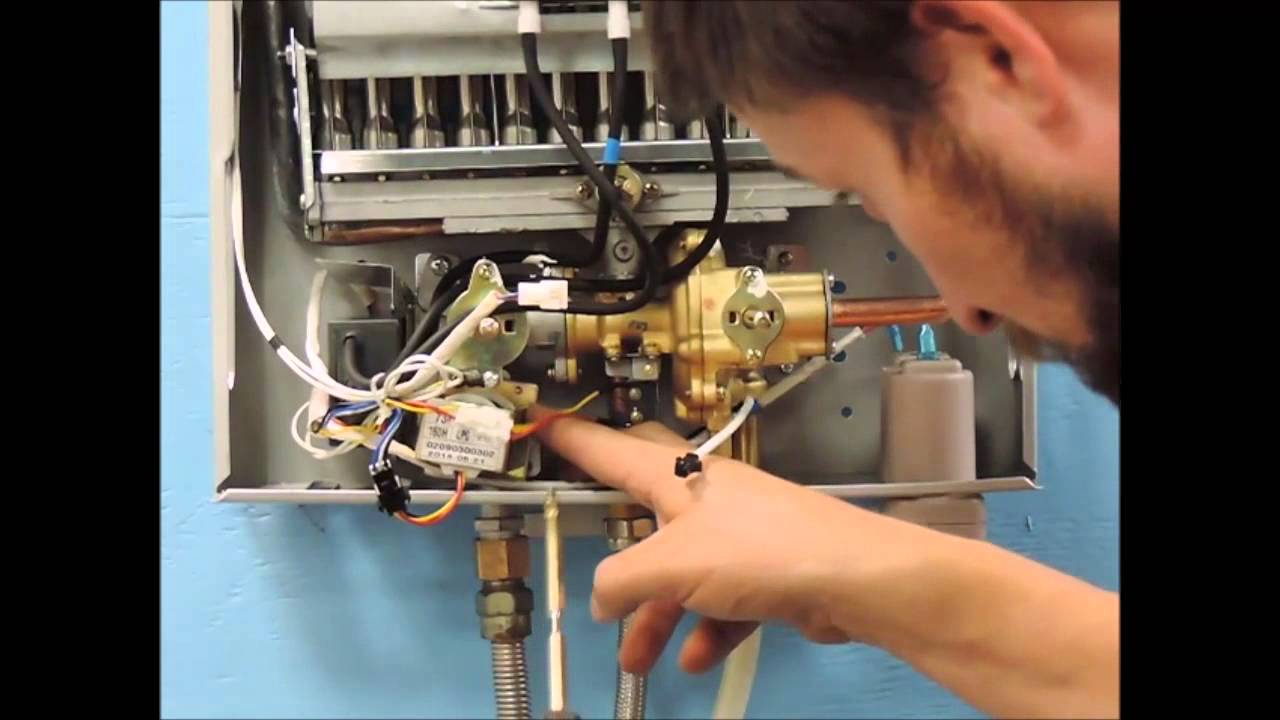
- This fixes no-burn problems when the pilot is stable but the burner won’t light. It requires correct model matching and careful gas-tight connections.
- Control board and sensor diagnostics
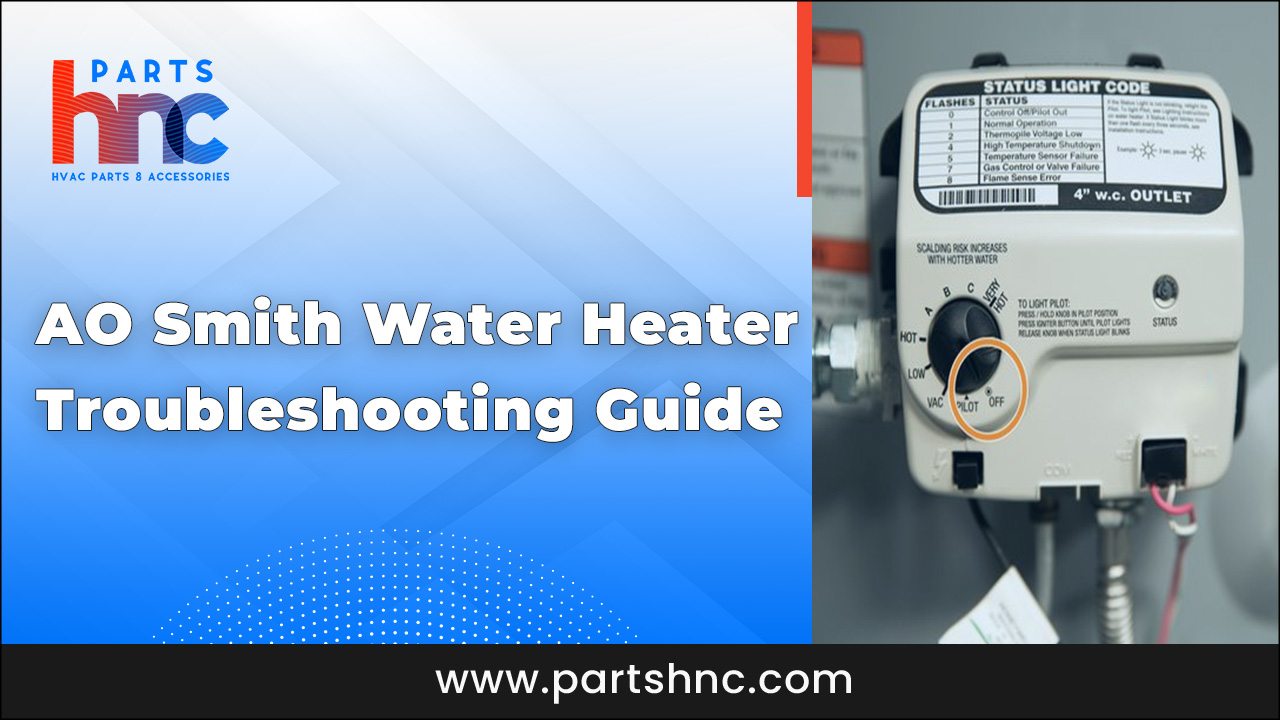
- Modern heaters use electronic controls. Error codes help. Replace boards only when diagnostics point to failure.
- Combustion and venting problems
- Backdrafting, soot, or yellow flame indicate combustion issues. Check for blocked vents or improper air supply.
- Tank failure and leaks
- Internal tank cracks or advanced corrosion mean tank replacement. Patching is a temporary fix at best.
I once repaired a unit where noise and low hot water traced to a nearly worn-out anode and thick sediment. After replacing the rod and flushing the tank, the heater ran quietly and returned to full capacity. That taught me to include anode checks in every tune-up. These examples show real-world Gas Hot Water Heater Troubleshooting considerations.
Preventive maintenance to avoid future problems
Small steps keep heaters working longer and reduce emergency calls.
- Annual flush
- Drain and flush the tank once yearly to remove sediment.
- Replace the anode rod every 3–5 years
- This prevents tank corrosion and extends life.
- Inspect the TPR valve and fittings yearly
- Replace a slow leak early to avoid bigger leaks.
- Check burner flame annually
- A steady blue flame is good. Yellow or lazy flames need cleaning or vent checks.
- Set thermostat to 120°F
- This saves energy, reduces scald risk, and slows sediment buildup.
Regular simple maintenance dramatically reduces the need for Gas Hot Water Heater Troubleshooting. It saves money and keeps hot water reliable.

When to call a professional for gas hot water heater troubleshooting
Call a licensed plumber or HVAC tech when you face these situations.
- Smell gas or detect a leak
- Evacuate and contact the gas company or an emergency service immediately.
- Non-stop leaks from the tank
- Tank corrosion or major leaks require replacement by a pro.
- Complex gas valve or control board replacements
- These tasks require certification in many areas.
- Persistent combustion or venting problems
- Carbon monoxide risk is serious and needs expert testing.
If you try common fixes and the issue repeats, hiring a professional is the safest, fastest option. Proper licensing and insurance protect you and ensure the job meets code.

Frequently Asked Questions of Gas Hot Water Heater Troubleshooting
What should I do if there is no hot water at all?
Check the gas supply and pilot or ignition first. If gas is on and the pilot won’t stay lit, the thermocouple or control may need replacing.
Why is my hot water heater making loud popping or rumbling sounds?
Those sounds usually mean sediment buildup on the tank bottom. Flushing the tank often clears the noise and restores heat transfer.
How do I relight a pilot light safely?
Follow the manufacturer’s label on the heater: turn the gas control to "pilot," press and light, then hold the control for 30–60 seconds. If it won’t stay lit, shut off and call a pro.
When is it safe to repair a gas water heater myself?
Safe DIY work includes flushing, changing anode rods, or replacing thermocouples if you are comfortable. Stop and call a licensed technician for gas line, valve, or major control repairs.
Why is the water rusty or smelly?
Rusty or smelly water points to a failing anode rod or internal tank corrosion, or bacterial growth in the tank. Replace the anode rod and flush; if rust persists, consider tank replacement.
Conclusion
Gas Hot Water Heater Troubleshooting is a mix of simple checks and careful safety steps. You can resolve many issues yourself by checking gas supply, pilot/ignition, sediment, and basic parts. For gas leaks, complex controls, or tank corrosion, call a licensed pro to stay safe and code-compliant. Take action now: perform a basic inspection, schedule a flush, or book a pro if needed. Leave a comment with your issue or subscribe for more hands-on repair guides.

- OSIPOTO 2LB Bread Maker Troubleshooting - September 14, 2026
- Turbochef Troubleshooting - September 14, 2026
- OSIPOTO Bread Maker Machine Review: Honest Take 2026 - September 13, 2026

