
Most camper water heater issues are fixable with basic checks, simple tools, and safe steps.
I’ve spent years fixing and maintaining camper water heaters on trips and at home, so I know what works and what wastes time. This guide walks through how a camper water heater works, common problems, clear troubleshooting steps, safety advice, and when to call a pro. Read on to get practical tips you can use today to restore hot water and avoid repeat problems.

How a camper water heater works
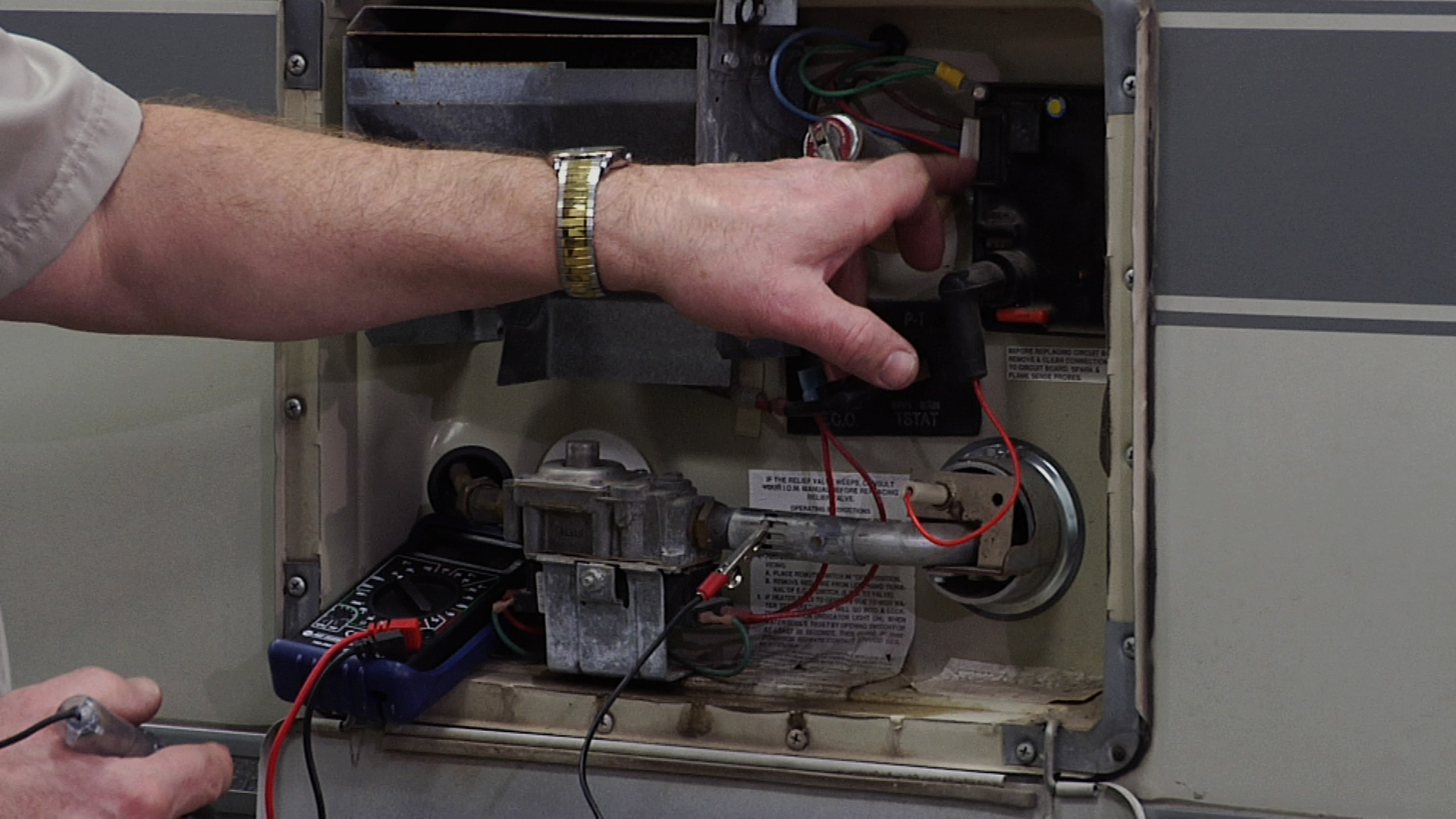
A camper water heater heats fresh water using propane, electricity, or both. It mixes fuel or power with a thermostat and controls to keep water at your set temperature. Most camper water heater systems include a burner or heating element, a thermostat, a pressure relief valve, and a tank or on-demand heat exchanger. Knowing these parts helps you find the root cause when hot water stops working.
Common camper water heater problems and causes
No hot water
- Cause: No power to the unit, empty propane tank, or a blown fuse.
- What to check: Verify shore power or battery, check propane gauge, and inspect fuses.
Pilot light or ignition won’t light
- Cause: Dirty pilot, bad thermocouple, weak ignition spark, or air in the gas line.
- What to check: Clean pilot area, ensure propane is on, and test the igniter.
Insufficient hot water or lukewarm water
- Cause: Sediment build-up, small tank capacity, faulty thermostat, or bypass valve stuck.
- What to check: Flush the tank, inspect thermostat setting, and ensure bypass is closed.
Leaks from tank or fittings
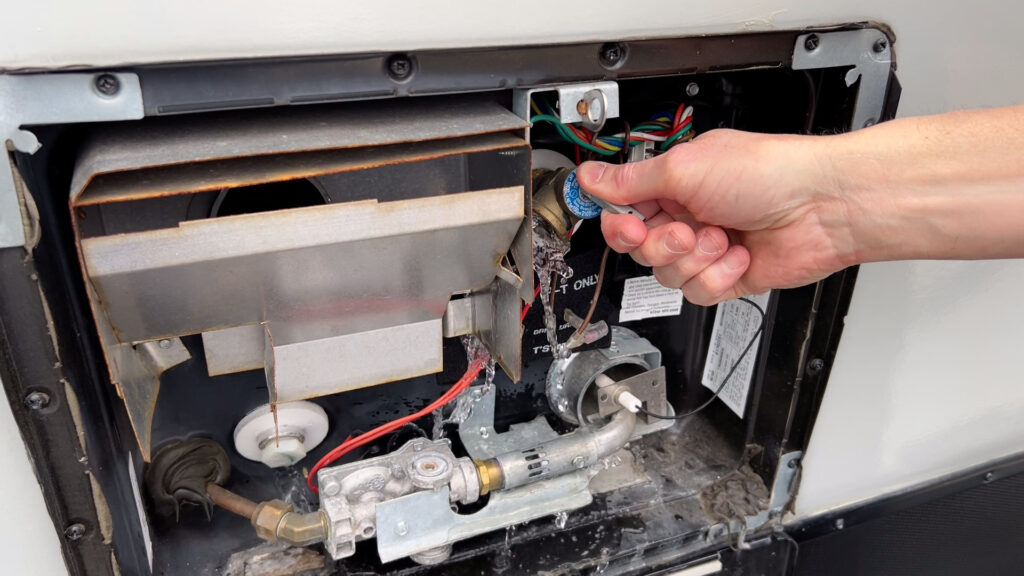
- Cause: Corrosion, loose fittings, or damaged anode/dip tube.
- What to check: Inspect visible seals and fittings, look under the unit for drips, and check corrosion points.
Gas smell or propane leaks
- Cause: Loose connections, damaged hose, or regulator failure.
- What to check: Smell test outside the RV, check joints with soapy water, and shut off propane if leak suspected.
Electrical tripping or no electric heat
- Cause: Bad element, tripped breaker, or poor shore power.
- What to check: Reset breakers, test element continuity, and confirm shore power voltage.
Strange noises
- Cause: Mineral deposits or the burner struggling to ignite.
- What to check: Flush tank to remove scale and inspect burner for soot or blockage.

Step-by-step troubleshooting guide
Always start with safety: turn off power and gas before opening covers or touching components. Wear gloves and eye protection.
- Verify power and fuel
- Check shore power, battery voltage, and fuses or breakers.
- Confirm propane bottles are on and regulator is working.
- Inspect the control panel and error codes
- Many modern camper water heaters show codes for ignition or thermistor faults.
- Consult your owner manual for code meanings.
- Test the pilot and ignition
- For gas units, try lighting the pilot per the manual.
- If the pilot won’t stay lit, replace the thermocouple or clean the pilot assembly.
- Check the thermostat and heating element
- For electric units, test element resistance with a multimeter.
- Replace a failing element or a misreading thermostat.
- Flush the tank
- Sediment reduces heat transfer and can block burners or elements.
- Drain and flush the tank until water runs clear.
- Inspect valves and fittings
- Check the pressure relief valve, inlet/outlet fittings, and bypass valve.
- Tighten loose fittings and replace damaged valves.
- Look for blockages and air locks
- Run faucets full open to purge air from lines.
- Check dip tube integrity if cold water mixes in.
- Final test
- Restore power and gas, then test hot water at the faucet.
- Monitor temperature and listen for any odd sounds.
Personal tip: On a trip, I once fixed a chilly shower by tightening a loose water inlet fitting and flushing the heater. It took 15 minutes and saved the weekend.
Common questions answered (PAA-style)
What if my camper water heater pilot lights but shuts off quickly?
- A failing thermocouple or a dirty pilot assembly is often the cause. Clean the pilot and replace the thermocouple if the issue continues.
How long does a typical camper water heater last?
- With regular care, many units last 8–12 years, but mineral-heavy water or bad maintenance shortens life. Replacing anode rods and flushing the tank helps extend it.
Can I use my camper water heater while driving?
- Some models allow on-demand heating during travel, but many recommend using only when stationary. Check the manufacturer’s guidance for safe operation.

Preventive maintenance and best practices
Flush the camper water heater tank at least once per season to remove sediment. Replace the sacrificial anode rod annually if your unit has one. Inspect seals, gaskets, and fittings for wear and tighten them as needed. Use a water softener or inline filter if you camp in hard-water areas to reduce scale buildup. Keep a small maintenance log to track service dates, repairs, and part replacements.
Personal experience: I started carrying a small maintenance kit with an anode, a replacement thermocouple, and basic plumbing tools. It saved a service call during a long road trip.
Tools, parts, and when to DIY vs call a pro
Useful tools and parts
- Multimeter for electrical checks.
- Pipe wrench and pliers for fittings.
- Replacement thermocouple, igniter, heating element, anode rod, and gaskets.
- Tank flush hose and soapy water for leak checks.
DIY-friendly tasks
- Flushing the tank, tightening fittings, checking power and propane, and replacing easily accessible parts. These are good first steps for most owners.
Call a professional when
- You detect a propane leak, experience consistent ignition failure after basic fixes, or face major tank corrosion. Also call a pro for complex electrical failures or when warranties are at risk.
Cost note: Small parts often cost $20–$80. Major repairs or replacement can run several hundred dollars. A pro can also certify repairs if you’re unsure.

Safety tips and legal notes
Always shut off propane and power before working on the camper water heater. Ventilate the area when checking for gas odors. Use a gas detector or soapy water to find leaks—never use an open flame. Follow manufacturer instructions and local codes for gas and electrical work. If you smell strong gas or suspect carbon monoxide, leave the RV and seek professional help immediately.

Troubleshooting checklist (quick printable steps)
- Confirm power and propane supply is on.
- Check fuses, breakers, and battery voltage.
- Inspect pilot, igniter, and thermocouple.
- Flush tank and remove sediment.
- Test heating element with a multimeter.
- Check relief valve, fittings, and look for leaks.
- Review error codes and consult manual.
- Call a professional for gas leaks, severe corrosion, or complex electrical issues.

Frequently Asked Questions of Camper Water Heater Troubleshooting
What causes my camper water heater to make rumbling noises?
Rumbling usually comes from mineral build-up and sediment hitting the burner or element. Flushing the tank often removes the debris and fixes the sound.
Why does my camper water heater leak after I use hot water?
Heat expands seals and fittings, which can reveal weak or loose connections. Tighten fittings and replace worn gaskets or valves to stop leaks.
My hot water is scalding sometimes and cold at others. What’s wrong?
A failing thermostat or mixing valve may be inconsistent. Test and replace the thermostat and check any mixing valves for proper function.
How often should I flush my camper water heater?
Flush at least once a season, and more often in hard-water areas. Regular flushing prevents scale, which reduces efficiency and causes failures.
Can I replace a camper water heater myself?
You can replace many units if you’re comfortable with basic plumbing and electrical tasks. For propane hookups or warranty concerns, consider a certified technician.
How do I winterize the camper water heater?
Drain the tank, bypass the water heater if needed, and use RV antifreeze per the manufacturer steps. Ensure no water remains to prevent freeze damage.
Conclusion
Troubleshooting a camper water heater is mostly about systematic checks, basic maintenance, and safe habits. With the right tools, a clear checklist, and simple fixes like flushing and tightening, many problems are easy to solve. If a propane leak, major corrosion, or complex electrical fault appears, call a pro to keep you and your rig safe. Try the steps here, keep a small toolkit handy, and leave a comment or subscribe to get more tips for camper care and repairs.

- OSIPOTO 2LB Bread Maker Troubleshooting - September 14, 2026
- Turbochef Troubleshooting - September 14, 2026
- OSIPOTO Bread Maker Machine Review: Honest Take 2026 - September 13, 2026

