
Most gas water heater problems are fixable with safe checks: pilot, gas, thermostat, and sediment.
I have spent years repairing and troubleshooting gas water heaters in homes and rentals. This guide on Gas Water Heater Troubleshooting walks you through how these heaters work, common faults, safe steps to diagnose problems, and clear fixes you can try. I blend field experience, simple testing steps, and honest limits so you can solve many issues or know when to call a pro.

How a Gas Water Heater Works
A gas water heater burns natural gas or propane to heat a tank of water.
Gas flows to a burner under the tank. The flame heats the tank. A thermostat keeps water at the set temp. A vent carries combustion gases away. A pilot light or electronic ignition starts the burner. Safety parts like the thermocouple and T&P valve protect you.
Key parts to know:
- Gas valve: controls fuel flow.
- Burner assembly: creates heat.
- Thermostat: sets water temperature.
- Thermocouple or igniter: starts and senses flame.
- T&P valve: pressure and temperature safety.
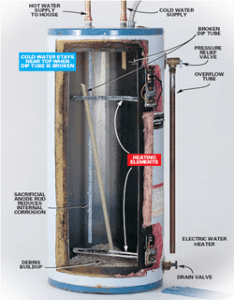
- Anode rod: slows tank corrosion.
Common Problems and Likely Causes
Below are the most common faults you will see while doing Gas Water Heater Troubleshooting, and what usually causes them.
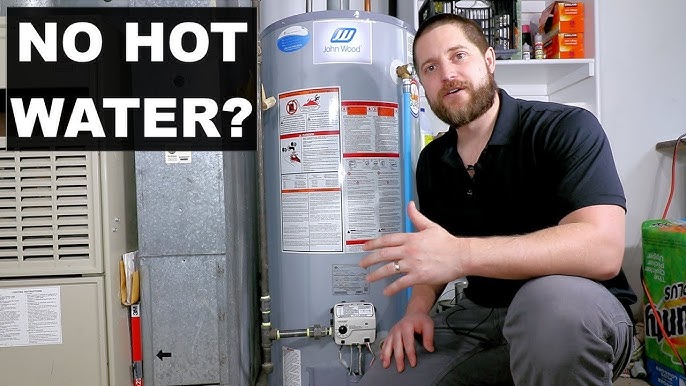
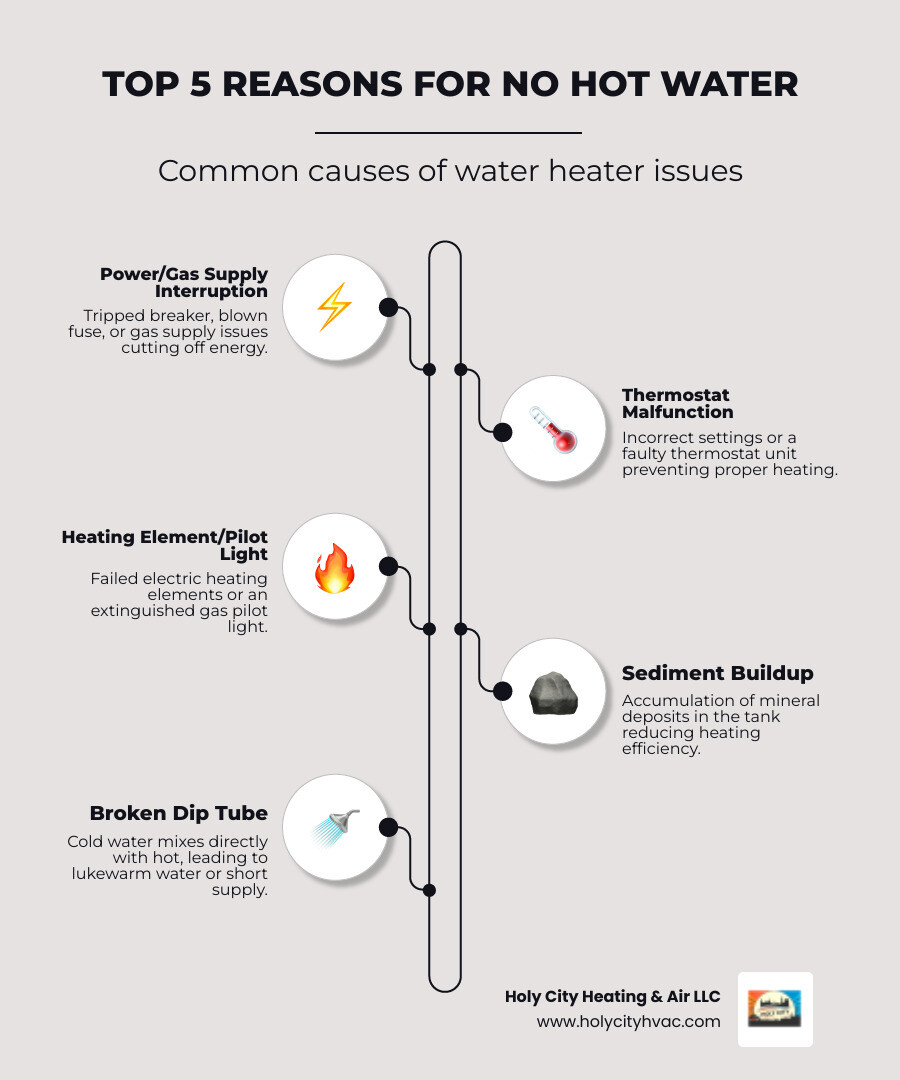
No hot water
- Possible cause: pilot out, gas supply off, faulty gas valve, or failed thermostat.
Not enough hot water
- Possible cause: wrong thermostat setting, faulty dip tube, sediment build-up, or undersized tank.
Water too hot
- Possible cause: thermostat set too high or failed thermostat.
Pilot light won’t stay lit
- Possible cause: dirty pilot orifice, bad thermocouple, or gas supply problem.
Strange noises
- Possible cause: sediment on tank bottom or burner issues.
Leaks around tank
- Possible cause: loose fittings, T&P valve leak, or tank corrosion (late-stage failure).
Gas smell
- Possible cause: gas leak in supply line or connection. This is an emergency.
Discolored or rusty water
- Possible cause: failing anode rod or internal corrosion.
Step-by-Step Gas Water Heater Troubleshooting Guide
Use this clear checklist for safe, practical Gas Water Heater Troubleshooting. Do one step at a time. Stop if you smell gas or see major leaks.
Safety first
- Turn off gas at the shutoff valve if you smell gas.
- Turn off power for electric ignition units.
- Ventilate the area by opening windows and doors.
Tools to keep handy
- Adjustable wrench
- Screwdrivers
- Flashlight
- Multimeter (for igniters)
- Garden hose (for flushing)
- Gloves and safety glasses
Basic checks
- Confirm gas supply is on at the meter or tank.
- Check other gas appliances to see if gas service is active.
- Inspect the pilot light or electronic igniter for obvious damage.
Relighting the pilot (older models)
- Follow the heater’s label for the exact steps.
- Turn gas control to “pilot”, press and hold, and light the pilot.
- Hold the control for 30–60 seconds to heat the thermocouple.
- If pilot won’t stay lit, the thermocouple may be bad or pilot orifice is clogged.
Thermocouple and ignition issues
- If the pilot lights but goes out, swap or test the thermocouple.
- For electronic ignitions, test the igniter with a multimeter and observe spark behavior.
Thermostat and temperature problems
- Check thermostat setting first.
- If setting is correct and water is wrong, consider a faulty thermostat or control valve.
Fixing low hot water
- Flush the tank to remove sediment.
- Inspect the dip tube for damage.
- Consider upgrading to a larger tank or tankless if demand exceeds capacity.
Noisy tank fixes
- Flush sediment to reduce popping and rumbling.
- Check burner and venting for soot and blockages.
Leak diagnosis
- Tighten loose fittings first.
- Test the T&P valve by lifting the lever briefly to see if it drips.
- If the tank itself leaks, plan on replacement; tanks are rarely repairable.
When you smell gas
- Evacuate the area.
- Do not switch electrical devices on or off.
- Call your gas company or emergency services.
- Do not relight the pilot until a professional inspects lines.
PAA-style question: How do I relight the pilot light on my gas water heater?
- Follow the label steps on the tank. Turn the gas control to pilot, hold it down, light the pilot, and keep holding for 30–60 seconds until it stays lit. If it won’t stay lit, the thermocouple or pilot orifice may need service.
PAA-style question: Why is my water heater making noise?
- Noise usually means sediment has built up on the tank bottom. Flushing the tank can quiet the heater. Rattles or clanks may signal loose parts or failing gas burner components.
PAA-style question: What do I do if I smell gas near the heater?
- Leave the home immediately and call your gas company or emergency services. Do not use electrical switches, phones inside, or try to fix gas lines yourself.

Safety Tips and When to Call a Professional
Gas is powerful and can be dangerous. Use caution and respect limits.
When to call a pro right away
- You smell gas.
- You suspect a carbon monoxide leak or see soot or yellow tips on the flame.
- The tank is leaking.
- You cannot relight the pilot and have tried safe instructions.
- Venting or chimney looks blocked or damaged.
What a professional can do
- Test gas pressure and line safety.
- Replace valves, thermocouples, and burners safely.
- Check for carbon monoxide and proper venting.
- Replace a corroded or leaking tank.
Safety checks you can do
- Install a CO detector near the heater.
- Watch flames: healthy burner flames are blue with a small steady tip.
- Check for rust or loose flue pipes.

Maintenance Tips to Prevent Future Problems
Regular care reduces emergency repairs. Use this checklist to avoid many common failures.
Annual maintenance tasks
- Flush the tank to remove sediment.
- Test the T&P valve for proper operation.
- Inspect and possibly replace the anode rod every 3–5 years.
- Check burner and pilot assembly for soot and debris.
- Verify venting and chimney are clear and sealed.
Seasonal and simple checks
- Keep the area around the heater clear.
- Check for drips and small leaks monthly.
- Set thermostat to 120°F to save energy and reduce scald risk.
- Record maintenance dates and notes for service history.
Small upgrades that help
- Add an insulating blanket to an older tank.
- Install a water softener if you have hard water to reduce sediment and corrosion.
- Fit a leak detector or automatic shutoff for peace of mind.
Common Mistakes and Lessons From the Field
I have fixed many avoidable problems. Here are mistakes I saw often and what I learned.
Common mistakes
- Trying gas repairs without shutting off the supply. This risks fire.
- Ignoring small leaks until they become full tank failures. Catch leaks early.
- Overlooking venting problems that cause carbon monoxide hazards.
Lessons learned
- Keep it simple. Start with gas supply, pilot, and thermostat checks.
- Document work. A small log saves time at service calls.
- When in doubt, call a licensed tech. Saving a few dollars on DIY can cost much more after a mistake.

Tools and Parts You May Need
If you plan basic Gas Water Heater Troubleshooting, these items help you work safely and well.
Essential tools
- Adjustable wrench for fittings.
- Screwdrivers for access panels.
- Multimeter for igniter and control checks.
- Garden hose for flushing the tank.
- Flashlight for visual checks.
Common replacement parts
- Thermocouple or thermopile.
- Pilot assembly or igniter module.
- T&P valve.
- Anode rod.
- Burner kit or gas control valve.
Frequently Asked Questions of Gas Water Heater Troubleshooting
How often should I flush my gas water heater?
Flush a tank at least once a year. If you have hard water, flush every 6 months to reduce sediment build-up.
Why does my pilot light keep going out?
A faulty thermocouple, clogged pilot orifice, or irregular gas flow often causes pilot issues. Clean parts or replace the thermocouple if relighting does not help.
Can I fix a leaking water heater myself?
You can tighten fittings and test the T&P valve, but if the tank itself leaks, it needs replacement. For gas line or valve leaks, call a licensed plumber or gas tech.
Is it safe to relight the pilot on my own?
Yes, if you follow the manufacturer’s instructions and there is no gas smell. If you smell gas or the pilot won’t stay lit, stop and call a professional.
What temperature should my gas water heater be set to?
Set the thermostat to 120°F for safety and efficiency. Higher settings increase scald risk and energy use.
Conclusion
Gas Water Heater Troubleshooting can save you time, money, and stress when you know what to check and how to act. Start with safety, verify gas supply and pilot/igniter, and perform simple maintenance like flushing the tank. If you encounter gas smells, leaks, or persistent ignition problems, call a licensed professional.
Take action this week: check your pilot or ignition, flush the tank if it needs it, and record the date. If you found this guide useful, leave a comment or subscribe for more home repair tips and clear troubleshooting steps.

- OSIPOTO 2LB Bread Maker Troubleshooting - September 14, 2026
- Turbochef Troubleshooting - September 14, 2026
- OSIPOTO Bread Maker Machine Review: Honest Take 2026 - September 13, 2026

